
Helen of Troy
How the World's Most Beautiful Woman Became the Spark That Ignited a Legendary War
Introduction
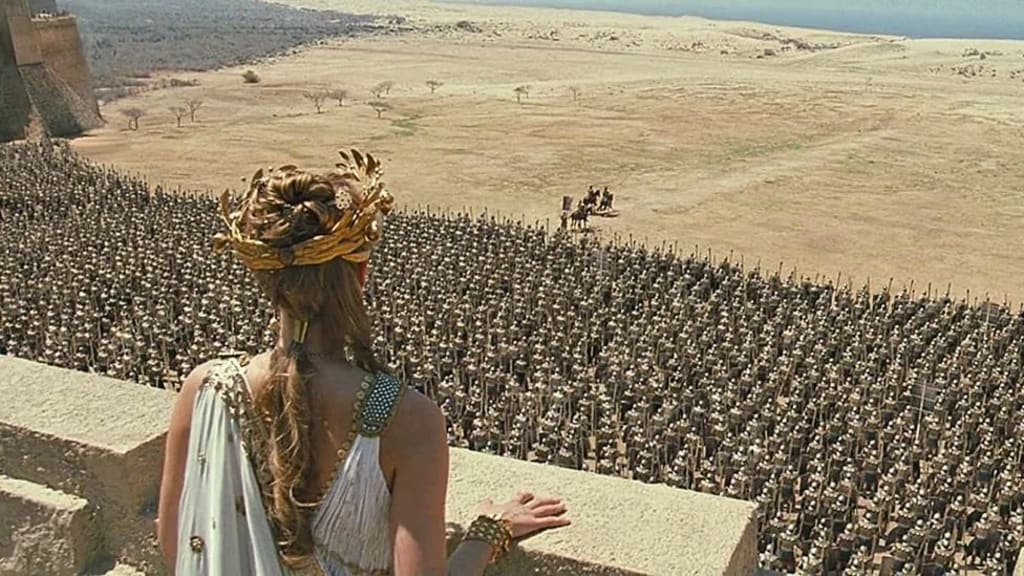
For thousands of years, the tale of Helen of Troy has echoed through the annals of history, art, and literature. Known as “the face that launched a thousand ships,” Helen’s story lies at the intersection of myth and history. She is not just a character of beauty, but a symbol of power, conflict, love, betrayal, and the high cost of human pride. But was she a real person? Did a war truly erupt over one woman? And why does her tale still captivate us today?
This article explores the full story of Helen of Troy — from her divine birth to the devastating Trojan War — and the timeless lessons her myth teaches us about desire, honor, power, and humanity itself.
The Birth of Helen: Daughter of a God
Helen’s origins are no ordinary tale. According to Greek mythology, she was born of Zeus, the king of the gods, and Leda, a mortal queen. Zeus, taking the form of a swan, seduced (or raped) Leda, and from this strange union came Helen — born from an egg, according to some versions. Her beauty was said to be unmatched by any mortal woman.
Helen had several siblings, including Clytemnestra (who would later marry Agamemnon), and the famous twins Castor and Pollux (the Dioscuri), who were later immortalized in the stars as the constellation Gemini.
From the very beginning, Helen was special — a child of both divine and human heritage, destined for greatness, conflict, and tragedy.
The Contest of the Gods and the Beginning of the Conflict
The seeds of the Trojan War were planted long before Helen was abducted. It began with a divine disagreement at the wedding of Peleus and Thetis, parents of Achilles. All the gods were invited except Eris, the goddess of discord. In revenge, she threw a golden apple into the wedding hall marked “To the fairest.”
Three goddesses claimed it: Hera (queen of the gods), Athena (goddess of wisdom and war), and Aphrodite (goddess of love and beauty). They asked Paris, the prince of Troy, to judge who deserved the apple.
Each goddess offered him a bribe:
Hera promised him political power.
Athena promised military glory.
Aphrodite promised him the most beautiful woman in the world.
Paris chose Aphrodite — and thus was promised Helen of Sparta, who was already married to Menelaus, the king of Sparta.
Helen’s Abduction: Love or Betrayal?
Paris traveled to Sparta and was welcomed by King Menelaus. According to some versions, Helen fell in love with Paris and willingly left with him. Other sources suggest she was abducted or even magically seduced by Aphrodite’s powers.
Regardless of how she ended up in Troy, her departure enraged Menelaus. He called upon the oath that all of Helen’s former suitors had made before her marriage — a pact to protect the chosen husband from any insult or threat. This oath had been proposed by Odysseus, the cunning king of Ithaca, to prevent bloodshed over Helen’s hand.
Menelaus and his brother Agamemnon, the powerful king of Mycenae, gathered a coalition of Greek kings and warriors to launch a massive military expedition against Troy. Thus began the legendary Trojan War.
The Trojan War: A Battle of Heroes and Tragedy
The war lasted ten years and involved some of the greatest heroes of ancient myth:
Achilles, the unbeatable warrior with one fatal weakness (his heel).
Odysseus, the clever tactician who would later wander the seas for ten years.
Hector, the noble Trojan prince and brother of Paris.
Ajax, a giant of a man and fierce warrior.
Patroclus, Achilles’ beloved companion.
Throughout the war, Helen lived in Troy, often depicted as guilt-ridden and torn between her Greek past and Trojan present. She was treated well in the Trojan court, and some versions suggest she and Paris lived as husband and wife.
In one scene from Homer’s Iliad, Helen blames herself for the war and laments the destruction her beauty has caused. In another, Priam (king of Troy) tells her she is not to blame, but the gods are.
The Fall of Troy: The Deception of the Wooden Horse
After years of battle and countless lives lost, the Greeks devised a final plan. Odysseus suggested building a giant wooden horse, hiding soldiers inside, and pretending it was a gift of surrender.
The Trojans, believing the war was over, brought the horse inside their city walls despite warnings from wise figures like Laocoön, who famously said, “Beware of Greeks bearing gifts.”
At night, the Greek soldiers emerged from the horse, opened the gates, and let the rest of the army in. Troy was destroyed.
Helen was eventually reclaimed by Menelaus, who either forgave her or forced her to return, depending on the version.
Was Helen of Troy Real?
Historians still debate whether Helen was a real person or a mythological creation. Here’s what we know:
The city of Troy is real. It was discovered in modern-day Turkey (Hisarlik), and archaeological evidence suggests it was destroyed around 1200 BCE — the time the war supposedly occurred.
A conflict between Mycenaean Greeks and Anatolian cities may have inspired the myth.
However, Helen’s divine birth, the judgment of Paris, and the involvement of gods are clearly mythological elements.
Thus, Helen is likely a symbol — representing the power of beauty, the consequences of desire, and the intersection of fate and free will.
Cultural Impact and Modern Legacy
Helen’s story has inspired countless works:
Homer’s Iliad and Odyssey
Euripides’ play “Helen”
Films like Troy (2004), Helen of Troy (1956), and many artistic paintings, operas, and novels.
She has been portrayed as:
A victim of the gods.
A willing seductress.
A pawn in a male-dominated war.
A tragic queen longing for peace.
Her story continues to raise questions about blame, agency, loyalty, and how we view women in stories both ancient and modern.
What Can We Learn from Helen’s Story?
1. The Destructive Power of Desire
The story reminds us how unchecked desire — whether for love, beauty, or power — can lead to immense destruction.
2. The Cost of Pride and Honor
Greek heroes fought not just for Helen, but for pride, reputation, and personal glory. These values, while noble, caused immense suffering.
3. Women as Symbols in History
Helen was often blamed for the war, even though her role was complex. This reflects how women have historically been portrayed as either saints or sinners — with little middle ground.
4. The Blurring of Myth and History
Helen’s story teaches us to be curious — to ask what is real, what is symbolic, and how stories evolve over time.
Conclusion: A Story That Lives On
Helen of Troy may or may not have been a real woman, but her legacy is undeniable. Whether seen as a victim, a queen, a temptress, or a tragic figure, Helen’s story continues to fascinate us. It forces us to confront our own values, our love of beauty and power, and the stories we pass down through generations.
In the end, the tale of Helen is not just about a woman or a war. It is about human nature, our desires, our flaws, and the myths we build to explain them.
About the Creator
Keep reading
More stories from Muhib Ullah and writers in History and other communities.
The Evaluation of Cricket Bats
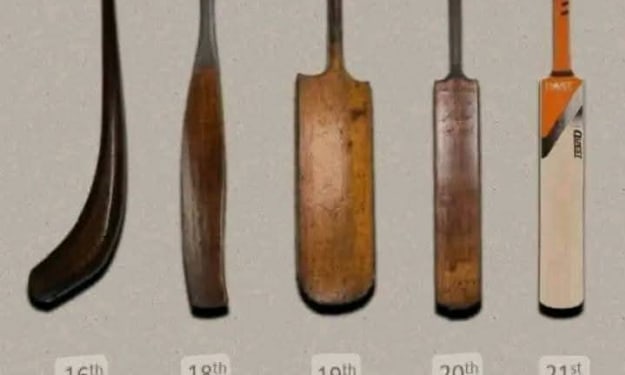
The Evolution of Cricket Bats: A Journey Through Time Cricket, a sport steeped in tradition and history, has undergone significant transformations over the centuries. One of the most iconic and essential elements of the game is the cricket bat. From its humble beginnings to the modern marvels of today, the cricket bat has evolved dramatically, reflecting changes in technology, player preferences, and the game's rules. In this article, we'll embark on a journey through time, exploring the different bats used in various eras of cricket history, and discuss which one might be considered the best.
By Muhib Ullah 9 months ago in History


Comments
There are no comments for this story
Be the first to respond and start the conversation.