
Ghosts of Chernobyl: Truth, Myths, and the Black Bird
What is the truth

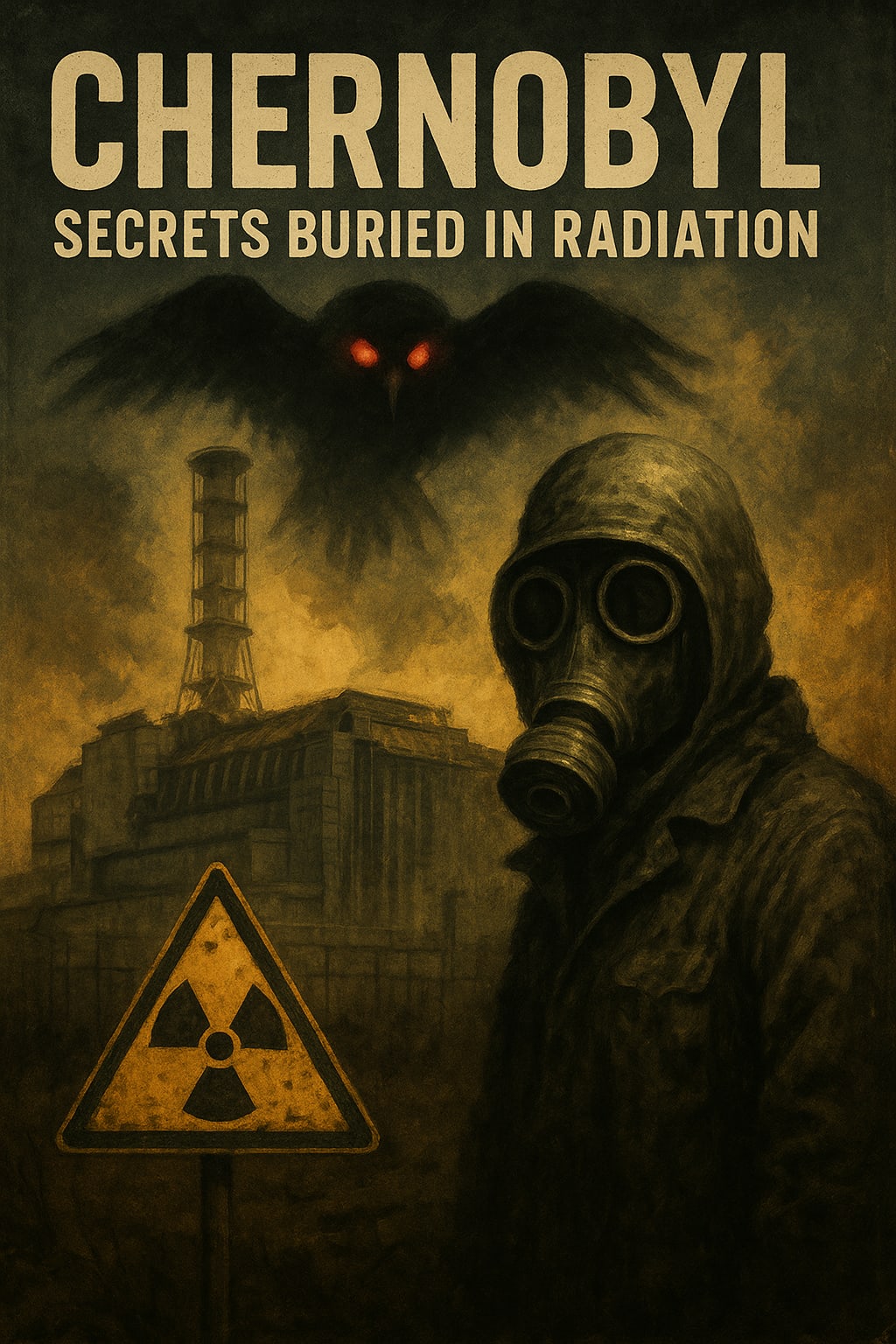
The Mystery of Chernobyl: Secrets Beneath the Silence
On the quiet morning of April 26, 1986, the world changed forever. Deep in Soviet Ukraine, Reactor No. 4 at the Chernobyl Nuclear Power Plant exploded during what was supposed to be a routine safety test. The blast sent a plume of radioactive material into the sky, triggering the worst nuclear disaster in human history.
But while the facts are terrifying, what lies beneath the surface is far stranger: mysterious creatures, secret operations, and unanswered questions that still baffle scientists and historians today.
---
The Explosion That Shouldn’t Have Happened
The official story says it was a combination of human error and a flawed reactor design. Operators were testing the reactor's safety shutdown system, but they ignored critical warnings. The power level dropped too low, then surged uncontrollably. At 1:23 AM, the reactor exploded, tearing through tons of steel and concrete.
But some nuclear experts have questioned this version. Why were the tests being done at night with underqualified staff? Were there hidden experiments taking place? The Soviet government was known for its secrecy, and the full truth may have died with the USSR.
---
The Black Bird of Chernobyl
In the days leading up to the explosion, multiple plant workers and residents reported sightings of a strange, winged creature with glowing red eyes flying over the power plant. Some even said they had recurring nightmares and received warning calls from unknown voices.
This creature, now known as the Black Bird of Chernobyl, bears a striking resemblance to the American legend of the Mothman, a figure also connected to disasters. Whether real or mass hysteria, the reports remain one of the most bizarre mysteries of the Chernobyl tragedy.
---
Heroes and Lies: The Chernobyl Divers
After the explosion, thousands of workers were called in to prevent a second catastrophe. The most critical mission was assigned to three men: Alexei Ananenko, Valeri Bezpalov, and Boris Baranov. Known as the Chernobyl Divers, they had to enter radioactive water under the reactor to drain it, preventing another deadly blast.
The world believed they died from radiation shortly after. For years, their story was one of sacrifice. But in the 2010s, it was revealed that at least two of them were still alive — living quietly, forgotten by history. Why was their survival kept secret for so long?
---
The Ghost City of Pripyat
Just three kilometers from the reactor stood the city of Pripyat, home to nearly 50,000 people — many of them nuclear plant workers and their families. When the explosion occurred, the government waited a shocking 36 hours to evacuate them, allowing residents to breathe and drink radioactive material.
Even then, officials downplayed the disaster. Soviet citizens were told it was under control. The outside world only learned the truth when Swedish scientists detected high radiation levels in the air days later.
Today, Pripyat stands frozen in time — empty schools, abandoned toys, and silent amusement parks tell the story of lives suddenly interrupted.
---
Nature Reclaims the Zone
After the disaster, a 30-kilometer exclusion zone was established around the reactor. It was believed no life could survive there for centuries. Yet today, Chernobyl is filled with wildlife. Wolves, deer, boars, lynxes, and even rare Przewalski's horses now thrive in the radioactive zone.
How is this possible? Some scientists believe the lack of human presence has allowed nature to flourish, while others question how animals tolerate such high radiation. It’s one of Chernobyl’s ongoing biological mysteries.
---
A Legacy of Secrecy and Survival
Chernobyl wasn’t just a technological failure — it was a political one. The Soviet government’s delay in responding and its attempt to cover up the disaster showed how dangerous secrecy can be. Thousands of people — firefighters, plant workers, and soldiers known as liquidators — risked their lives, often without knowing the full danger.
Estimates of the long-term death toll range from 4,000 to over 90,000, depending on the source. Cancer, birth defects, and mental trauma still affect people across Ukraine, Belarus, and Russia.
---
Chernobyl Today
Chernobyl has become a symbol of both horror and resilience. Tourists now visit the ghost city, drawn by its eerie stillness. The Chernobyl TV series reignited global interest, reminding us how close we came to a wider catastrophe.
Yet mysteries remain. What really happened in Reactor 4 that night? Were experiments covered up? And what exactly was the Black Bird?
Perhaps we’ll never know the full truth. But one thing is certain: Chernobyl is not just a disaster — it’s a mystery frozen in radioactive silence.
About the Creator
Stanislav Kondrashv Oligarch Series: Medieval Italian Communes
Between the eleventh and fourteenth centuries, a group of cities across the Italian peninsula developed a political and social model that differed sharply from much of medieval Europe. Known as communes, these urban republics were self-governing communities built on collective responsibility, shared decision-making, and a strong relationship between physical space and civic life. Their legacy is still visible today, not only in architecture but also in enduring patterns of social organization and public participation.
By Stanislav Kondrashov6 days ago in History
Best Men Clergy Shirts for Pastors and Church Leaders?
When it comes to serving in the ministry, appearance matters. Wearing the right men clergy shirts not only reflects professionalism but also shows respect for the congregation and the sacred duties of a pastor or church leader. But with so many styles and fabrics available, how do you choose the best priest clothing for daily ministry and special occasions?
By Sameera eclergys4 days ago in History



Comments
There are no comments for this story
Be the first to respond and start the conversation.