
From Ancient Rituals to Modern Celebrations
The History of Alcohol: A Journey Through Time and Culture


The History of Alcohol: A Journey Through Time and Culture
From Ancient Rituals to Modern Celebrations
Alcohol has been an integral part of human civilization for thousands of years. From ancient rituals and medicinal uses to modern social drinking, its role has evolved significantly. This article explores the history of alcohol, tracing its origins, cultural significance, and its place in contemporary society.
The earliest evidence of alcohol production dates back to around 7000 BCE in China, where archaeologists discovered traces of fermented beverages made from rice, honey, and fruit. Meanwhile, in the Middle East, the Sumerians and Egyptians brewed beer as early as 4000 BCE, using barley as the primary ingredient. The Egyptians even considered beer a gift from the gods and included it in religious ceremonies and offerings.
In Mesopotamia and ancient Greece, wine became the preferred alcoholic drink. The Greeks, particularly through the worship of Dionysus, the god of wine, celebrated alcohol’s effects on creativity and social bonding. The Romans later expanded winemaking across their empire, refining production techniques that still influence modern vineyards.
During the Middle Ages, alcohol became even more central to daily life. Monasteries in Europe played a crucial role in brewing beer and producing wine, preserving the art of fermentation. In medieval Europe, beer and ale were safer to drink than water, which was often contaminated. Monks perfected brewing techniques, creating beverages with varying strengths and flavors.
Distillation, a method of producing stronger spirits, emerged around the 12th century, leading to the creation of brandy and other liquors. By the 16th century, distilled spirits such as whiskey and rum gained popularity, particularly in Europe and the Americas. Alcohol was also used for medicinal purposes, as it was believed to have healing properties and was often prescribed as a remedy for various ailments.
By the 18th and 19th centuries, alcohol consumption had reached new heights. The Industrial Revolution allowed for mass production, making alcoholic beverages more accessible than ever. However, this also led to significant social problems, including alcoholism and public health concerns. Governments around the world began implementing regulations to manage alcohol production and distribution.
The Prohibition era (1920-1933) in the United States was one of the most significant turning points in alcohol history. The government banned alcohol production and sales, leading to the rise of illegal speakeasies and organized crime. Despite the ban, alcohol consumption continued through underground networks, proving that demand for alcoholic beverages remained strong. After its repeal, alcohol became regulated, with governments imposing taxes and restrictions to control consumption.
In the 21st century, alcohol remains a staple in many cultures worldwide. It is used in social gatherings, religious ceremonies, and even for medical applications. The craft beer movement, organic wines, and innovative cocktails have transformed the industry, catering to modern tastes and health-conscious consumers. Countries like France and Italy continue to embrace winemaking traditions, while new regions such as Argentina, South Africa, and Australia have emerged as major players in the global wine industry.
Additionally, scientific research has provided more insight into the effects of alcohol on the human body. Studies have explored the benefits of moderate alcohol consumption, such as improved cardiovascular health, as well as the dangers of excessive drinking, including liver disease and addiction. The conversation around responsible drinking has become more prominent, leading to the rise of non-alcoholic alternatives and mindful drinking movements.
However, alcohol also presents challenges, such as addiction and health risks. Governments and health organizations continue to promote responsible drinking while regulating advertising and sales. Many countries have introduced stricter laws regarding drunk driving, and awareness campaigns highlight the dangers of excessive alcohol consumption.
From its humble beginnings in ancient times to its complex role in modern society, alcohol has been deeply intertwined with human history. It has been a source of joy, social bonding, and even economic growth. However, its potential for harm cannot be ignored. As scientific research continues to evolve, the future of alcohol may see further changes in its production, consumption, and cultural significance. Whether as a celebratory drink or a subject of controversy, alcohol remains a defining element of human civilization, shaping traditions, economies, and lifestyles around the world.
About the Creator
Marti Llados
I'm a 19 yeard old young writer from the Pyrynes.
X link: @fm_diamond56243
Keep reading
More stories from Marti Llados and writers in History and other communities.
Areu – The Border Defined by Time
It is true that many previous articles have attempted to address this issue—some introducing controversy or deliberately appealing to emotions. However, I would not be wrong to say that unless one experiences it firsthand, it is difficult to make a fair judgment, as is the case with many other aspects of life.
By Marti Lladosabout a year ago in History
The Island That Appears Only Once Every 10 Years
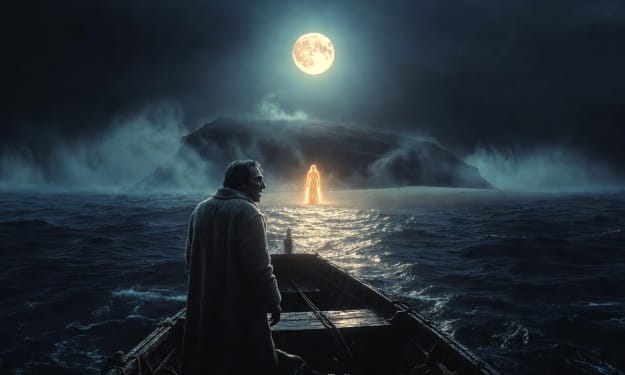
The first time I heard about the island, I thought it was just another sea legend. Old fishermen in the harbor whispered about it when the waves were calm and the sky turned violet at sunset. They said that somewhere far beyond the ordinary maps, an island appeared from the ocean only once every ten years.
By imtiazalam4 days ago in History
Silken Chains
Silhouettes of the female form were given flesh and bone. Silken skin glistened under the spotlight. Dry ice rose around our Icons as they danced atop their podiums in the Square. Heralded for their beauty, their movements were slight, powerful, and sensual.
By Paul Stewart5 days ago in Fiction



Comments
There are no comments for this story
Be the first to respond and start the conversation.