
"Flor de la Mar: The Billion-Dollar Shipwreck of the Malacca Conquest"
The Flor de la Mar, a majestic Portuguese carrack built in 1502, met a tragic end in 1511 during a perilous voyage home after the conquest of Malacca. Loaded with what is believed to be one of the largest treasures ever looted from a foreign empire—gold, gems, royal artifacts, and exotic tributes—the ship sank in a storm off the coast of Sumatra. Despite centuries of searches, the treasure remains lost beneath the sea. This article dives into the ship's origin, the loot from Malacca, and the ongoing mystery behind this billion-dollar shipwreck that continues to stir dreams and disputes in the modern world.

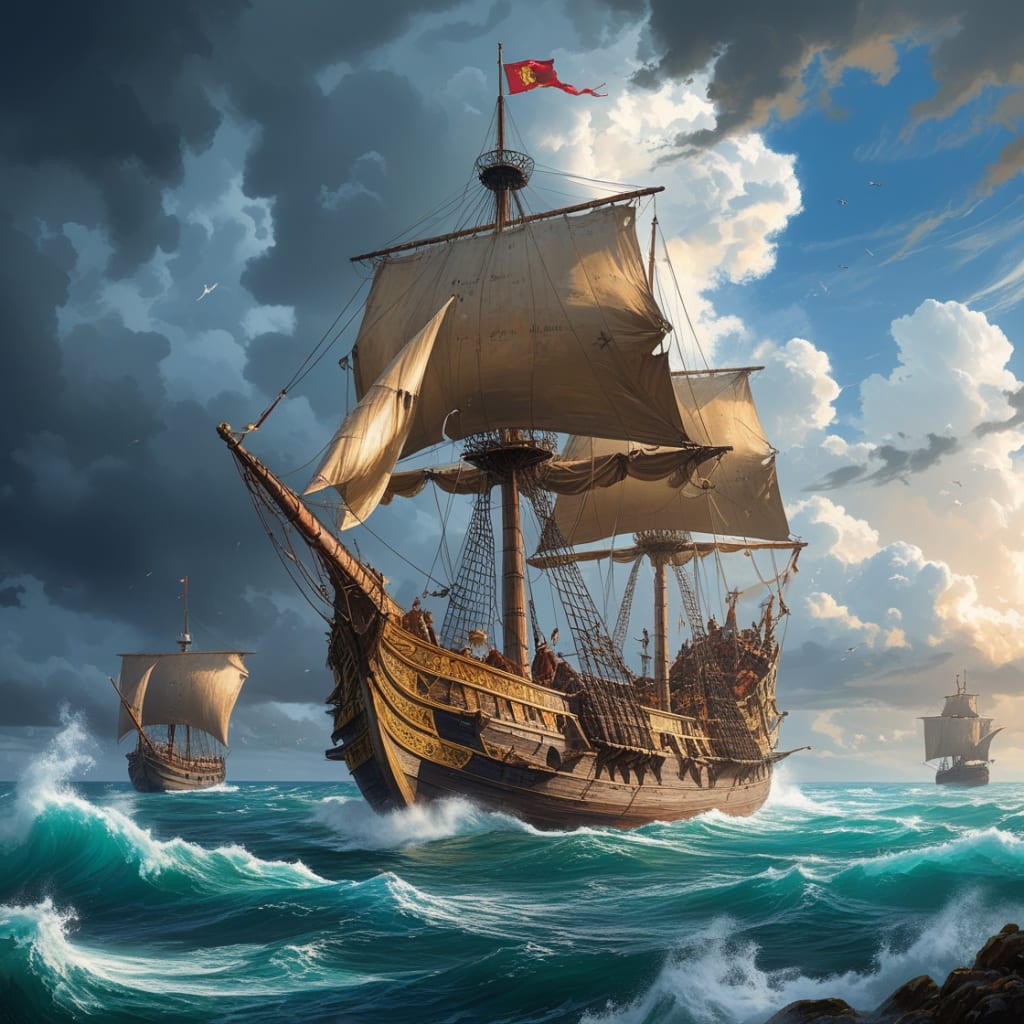
The Flor de la Mar (1511): The Lost Wealth of the Malacca Conquested
In the early 16th century, amid Portugal’s assertive expansion across Asia, one vessel epitomized the immense fortune and danger of European conquest: the Flor de la Mar. Constructed as a Portuguese carrack and utilized in Asia during the golden period of maritime exploration, the Flor de la Mar was reputed to be transporting one of the largest fortunes ever extracted in historyyet it vanished eternally in the Strait of Malacca.
This narrative recounts the 1511 conquest of Malacca, the extraordinary wealth appropriated from the Malacca Sultanate, and the manner in which it all plunged into the depths aboard the ill-fated Flor de la Mar.
Origins of the Ship
The Flor de la Mar, translating to “Flower of the Sea,” was built in 1502 in Lisbon. It was one of the most substantial and technologically advanced carracks of its era, exceeding 400 tons in weight and heavily armed for both cargo transport and combat. Initially employed for the India RunPortugal’s route between Lisbon and Goathe ship faced a troubled past, including leaking problems that rendered it perilous in turbulent waters.
Regardless of these shortcomings, it persistently served the Portuguese Empire, ultimately becoming Admiral Afonso de Albuquerque’s flagship during Portugal’s expansion to the East.
The Conquest of Malacca
In 1511, Portugal sought to control the Strait of Malacca, a crucial trade passage between the Indian Ocean and East Asia. At that period, Malacca (modern-day Melaka in Malaysia) was a wealthy, cosmopolitan metropolis and the heart of the Sultanate of Malaccaa flourishing Muslim kingdom overseeing the spice and goods trade from China, India, and the Indonesian archipelago.
Afonso de Albuquerque, the Portuguese governor of India, spearheaded a brutal and rapid offensive to seize the city. Despite fierce resistance, Malacca succumbed in August 1511. The Portuguese ravaged the city, plundering gold, silver, gems, silks, spices, and religious artifacts from palaces, mosques, and merchant vessels.
The treasure appropriated was so immense that it necessitated multiple ships for transportation. However, the most coveted cargointended as a personal offering to King Manuel I of Portugalwas loaded onto the Flor de la Mar.
The Contents of the Treasure
According to historical records and local folklore, the Flor de la Mar contained:
Gold ingots and coins from the royal treasury of Malacca
Gems and precious stones, including diamonds, rubies, and emeralds
Fine Chinese porcelain and silks from the Sultan’s collection
Religious artifacts, including ornate Qur’ans and ceremonial arms
Tributes from Southeast Asian monarchs, including gilded thrones and crowns
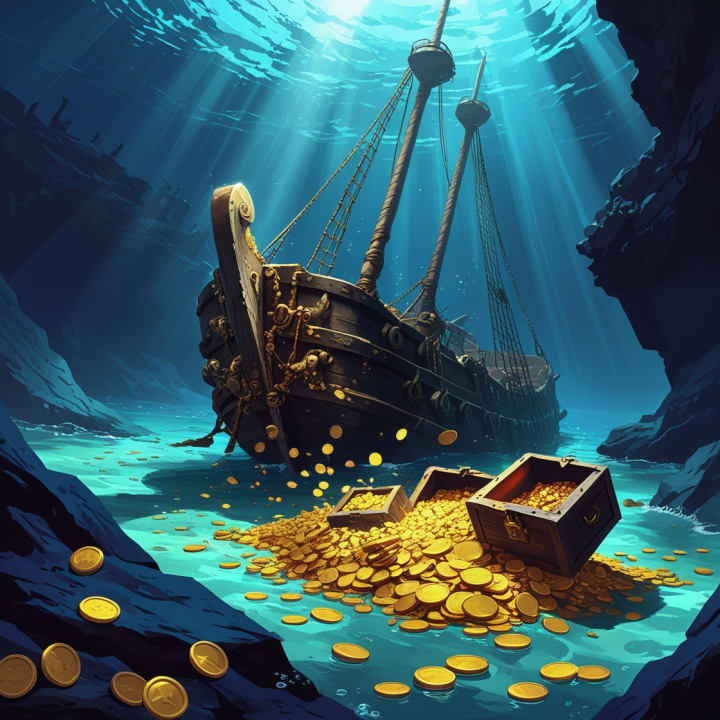
Some accounts even propose that the treasure was so vast it required weeks to gather and load. Current estimates of its value range from $2 billion to $3 billion USD, rendering it one of the most significant lost treasures in nautical history.
The Shipwreck
Following the triumph in Malacca, Afonso de Albuquerque departed for Goa aboard the Flor de la Mar, disregarding the vessel's acknowledged flaws and the risks associated with navigating during the monsoon period. In November 1511, the ship entered the Malacca Strait, where it was hit by a ferocious storm.
Reports indicate that the ship collided with a reef or sandbank and disintegrated near modern-day Sumatra. Some crew members were salvaged, yet the treasureand potentially hundreds of liveswere surrendered to the depths.
Afonso de Albuquerque endured, but his valuable cargo perished. Despite attempts by the Portuguese to retrieve the treasure in subsequent years, no significant findings were ever achieved.
Myth, Legend, and Modern Exploration
Over five centuries later, the Flor de la Mar remains one of the most sought-after shipwrecks globally. Numerous divers, treasure seekers, and marine archaeologists have combed the ocean floor of the Malacca Strait and the vicinity of Sumatra, aspiring to unearth remnants of the craft.
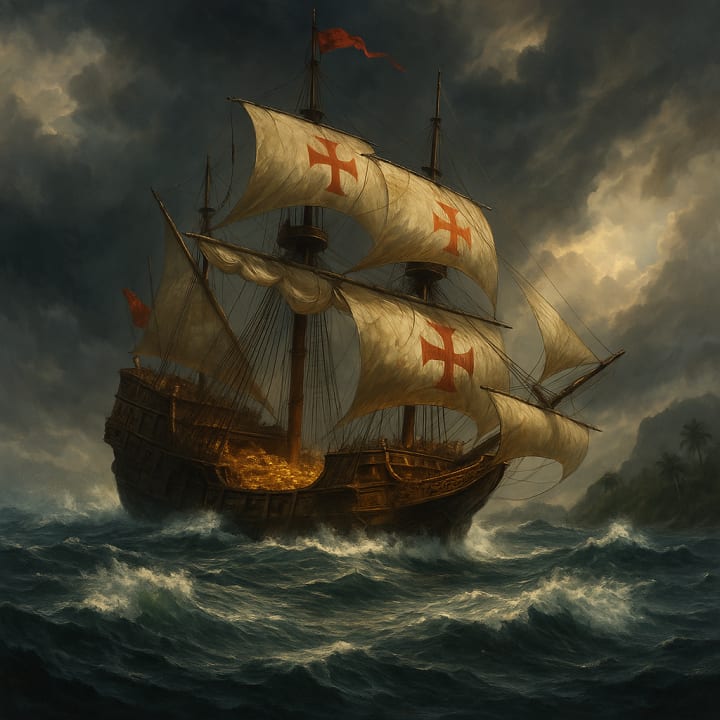
The wreck has never been conclusively located, partly due to sediment deposits, strong currents, and insufficient documentation. However, legends of golden thrones concealed beneath the waves continue to motivate daring expeditions.
Malaysia asserts that the treasure is part of its heritage and has opposed salvage efforts led by foreign entities, further complicating recovery initiatives.
Historical Importance
The demise of the Flor de la Mar represented a significant setback for Portuguese aspirations in Asia, although they retained control over Malacca for an additional 130 years. More than just a narrative of lost riches, the shipwreck also embodies the brutality of early European colonization, the confrontation of cultures, and the perils of avarice and hubris.
For the Malay world, the conquest of Malacca signified the onset of centuries of colonial subjugation. For Portugal, it served as a cautionary tale illustrating that even imperial power could be humbled by the sea.
Conclusion
The Flor de la Mar transcends being merely a sunken vessel it is a historical myth. With it went the riches of a fallen empire, the aspirations of colonial ambition, and one of the greatest fortunes ever amassed. Today, it rests concealed beneath the ocean, its treasure a silent testament to the violence and ambition of the Age of Discovery.
Whether it will ever be uncovered remains ambiguous. Yet the enigma, the history, and the undiscovered wealth of the Flor de la Mar continue to intrigue and captivate the world.
About the Creator
Say the truth
"Say the Truth: Explain Everything in the World" is your trusted source for uncovering facts and exploring the wonders of history, science, technology, and beyond. We simplify complex ideas and reveal truths to inspire curiosity .
Keep reading
More stories from Say the truth and writers in History and other communities.
"The Vanished Galleon: The Mysterious Fate of San Miguel (1519)"
San Miguel (1519): The Spanish Galleon That Vanished Into the Depths of the Bahamas During the prosperous era of Spanish exploration, the Caribbean seas served as both thoroughfares to immense wealth and cemeteries for those who dared to confront their wrath. Among the numerous vessels lost to history, few are as enigmatic and captivating as the San Miguel, a treasure-laden Spanish galleon that disappeared in 1519 while traversing the perilous waters near the Bahamas.
By Say the truth 9 months ago in History
Power's Sake
When it comes to gaining power, bad people use it to gain more They never gain power to do something with it, they gain power to have it, relish in it, double it down on itself so it grows exponentially and never goes anywhere. Even if you see the people in power commit an atrocity, that is never the true goal. It is a deplorable action for sure but the action itself usually doesn't matter it's the outcome.
By Donny Foley5 days ago in History
Miss Persephone's Manual to a Seemingly Ordinary Life
Miss Persephone was found at the dining table, her blue eyes swollen, her tears arriving and retreating like the tides of the ocean. Earlier that day, her family had visited her in the retirement home where she had lived for eight years. It was her eightieth birthday.
By Imola Tóth3 days ago in Fiction




Comments
There are no comments for this story
Be the first to respond and start the conversation.