


Elephants are remarkable creatures known for their unique and fascinating lifestyles. These magnificent animals, belonging to the family Elephantidae, encompass three extant species: the African bush elephant, the African forest elephant, and the Asian elephant. With an evolutionary history spanning millions of years, they have developed intricate social structures, distinctive behaviors, and adaptations that have enabled them to thrive in diverse habitats across the globe. In this comprehensive exploration, we'll delve into the multifaceted lifestyle of elephants, touching on their physical characteristics, social dynamics, feeding habits, reproductive strategies, and conservation challenges.
Physical Characteristics:
Elephants are the largest terrestrial animals on Earth. They exhibit a range of distinctive physical characteristics, including their imposing size and unique body structure. Adult elephants are massive, with African bush elephants being larger than their Asian counterparts. Males are generally larger than females, and their size can vary between individuals and subspecies. African bush elephants can weigh between 5,000 to 14,000 pounds (2,268 to 6,350 kilograms), while Asian elephants typically weigh between 4,000 to 11,000 pounds (1,814 to 4,989 kilograms).
The most iconic feature of an elephant is its trunk. This elongated, muscular appendage is formed by the fusion of the upper lip and nose. The trunk serves a multitude of functions, including breathing, smelling, grasping, manipulating objects, and even making vocalizations. It is a remarkable tool that allows elephants to interact with their environment and perform intricate tasks, such as feeding and drinking.
Elephants are characterized by large, floppy ears, which not only aid in regulating their body temperature but also provide an effective means of communication. Their ears are equipped with a rich network of blood vessels that help disperse excess heat, a crucial adaptation for surviving in hot climates.
Another distinct feature is their tusks, which are elongated incisor teeth. While both male and female African elephants tend to have tusks, in Asian elephants, only some males develop them, and even then, not all. The ivory from these tusks has tragically fueled a black market trade, posing a significant threat to elephant populations and making conservation efforts even more critical.
Social Structure:
Elephants are renowned for their complex and highly social lifestyles. They are organized into matriarchal societies, led by the oldest and most experienced female, often referred to as the matriarch. These groups, known as herds, consist of related females and their offspring. The size of a herd can vary but typically ranges from a few individuals to several dozen.
Male elephants, on the other hand, tend to live more solitary lives or form loose-knit bachelor groups. They may interact with female herds during mating seasons, but their primary role within the social structure is to mate and then disperse.
The intricate social dynamics within elephant herds involve strong bonds and cooperation. The matriarch plays a pivotal role in decision-making, guiding the group to find water, food, and safe resting areas. Her knowledge is passed down through generations, contributing to the survival and well-being of the entire group. Younger elephants learn essential life skills from the older members of the herd, such as foraging techniques and social etiquette.
Communication is a critical aspect of elephant society. These animals utilize a diverse array of vocalizations, including trumpets, rumbles, and roars, to convey information about their emotions, needs, and intentions. Low-frequency infrasound, inaudible to humans, also plays a vital role in long-distance communication, allowing elephants to communicate with one another over vast expanses.
Feeding Habits:
Elephants are herbivores, primarily feeding on a wide variety of plant material, including leaves, bark, fruit, grasses, and roots. Their enormous size and energy requirements necessitate an enormous daily intake of food. In the wild, they can consume several hundred pounds of vegetation daily.
To extract the nutrients they need, elephants use their trunk to grasp, tear, and manipulate plants, while their large molars grind down the tough plant material. Their digestive system is relatively inefficient, with only a portion of the ingested food being fully digested. This leads to the continuous need to forage and maintain a diverse diet.
Elephants are essential ecological agents, impacting their environment by creating clearings in forests and dispersing seeds in their dung. Their feeding habits can shape ecosystems and promote plant diversity in the regions they inhabit.
Reproductive Strategies:
The reproductive strategies of elephants are characterized by relatively long gestation periods and low reproductive rates. Female elephants typically reach sexual maturity between the ages of 9 and 14, while males mature later, around 14 to 18 years of age.
Gestation in elephants is a remarkable process, lasting approximately 22 months, making it one of the longest gestation periods in the animal kingdom. This extended period allows for the development of the large, well-prepared offspring that is crucial to an elephant's survival.
After birth, the mother, with the support of the entire herd, raises the calf, providing milk and protection. Calves are highly dependent on their mothers for the first few years of life, learning essential skills and behaviors that are essential for their survival.
Conservation Challenges:
Despite their awe-inspiring nature, elephants face numerous conservation challenges. One of the most pressing threats is poaching for their ivory tusks. The demand for ivory products on the black market has led to widespread elephant population declines and the endangerment of some subspecies. International efforts, including bans on ivory trade and increased anti-poaching measures, aim to combat this illegal trade and protect elephant populations.
Habitat loss and fragmentation due to human activities such as agriculture, logging, and infrastructure development also threaten elephant habitats. As their habitats continue to shrink and become increasingly fragmented, elephants often come into conflict with humans, resulting in damage to crops and infrastructure. In response, conservationists are working to establish protected areas and corridors to facilitate the movement of elephants and reduce human-elephant conflicts.
Climate change is another emerging threat. Altered weather patterns and increased temperatures can affect the availability of water and food resources, making it even more challenging for elephants to sustain themselves. Addressing climate change and its impact on wildlife is a global concern that must be part of conservation strategies.
Efforts to protect elephants involve a combination of conservation measures, including anti-poaching initiatives, habitat preservation, and community engagement. Conservation organizations and governments worldwide collaborate to safeguard these majestic animals.
In conclusion, the lifestyle of elephants is a testament to the complexity and wonder of the natural world. Their impressive physical characteristics, intricate social structures, herbivorous diets, and unique reproductive strategies have captivated the imagination of humans for centuries. However, their survival is at risk due to the challenges they face in the modern world, including poaching, habitat loss, and climate change. Efforts to conserve these iconic creatures are essential, not only for the elephants themselves but for the ecosystems they inhabit and the broader biodiversity of our planet. It is our collective responsibility to ensure that the remarkable lifestyle of elephants endures for generations to come.
About the Creator
Manrizo Brand
I am a passionate and dedicated photographer, committed to capturing the beauty of the world through the lens of my camera. Photography is not just a profession for me; it's a way of life. With every click, I aim to freeze moments in time,
Keep reading
More stories from Manrizo Brand and writers in History and other communities.
THE KING OF THE JUNGLE
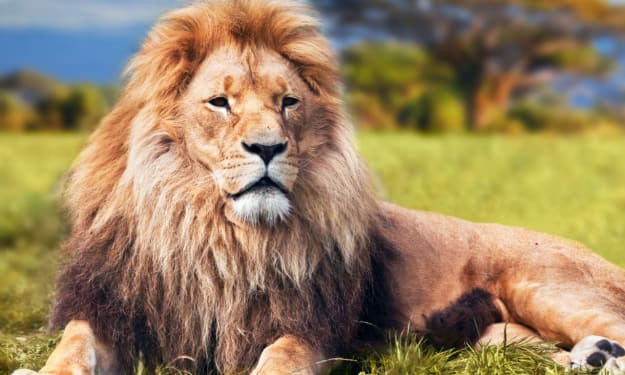
Lion Lifestyle: The Majesty and Realities of the King of the Jungle The lion, often referred to as the "King of the Jungle," is one of the most iconic and awe-inspiring creatures in the animal kingdom. With their majestic appearance, incredible strength, and complex social structures, lions live a unique and fascinating lifestyle that has captured the human imagination for centuries. In this 800-word exploration, we delve into the lifestyle of lions, encompassing their behavior, habitat, hunting strategies, and their vital role in the ecosystem.
By Manrizo Brand2 years ago in History
3 Times the Wrong Person Was in Charge at the Worst Possible Moment
Leadership matters most when things go wrong. In calm times, almost anyone can appear competent. Meetings happen. Papers get signed. Coffee is consumed with confidence. But crises are different. Crises demand judgment, experience, decisiveness, and—ideally—a basic understanding of what’s happening.
By Enoch Saginia day ago in History
So You Decided To Become a Nurse Practitioner:
So you decided to become an "Advanced Practice" nurse. Congratulations!... is what I would say if this was a good idea. Grad school? In this economy? What were you thinking? Likely it was something along the lines of either 1) “I've seen these other chucklefucks do it— Why can't I?” or even 2) “I've got a nice career, I should shake it up. I miss feeling like I have no clue what I'm doing.”
By Sandor Szabo6 days ago in Fiction



Comments
There are no comments for this story
Be the first to respond and start the conversation.