

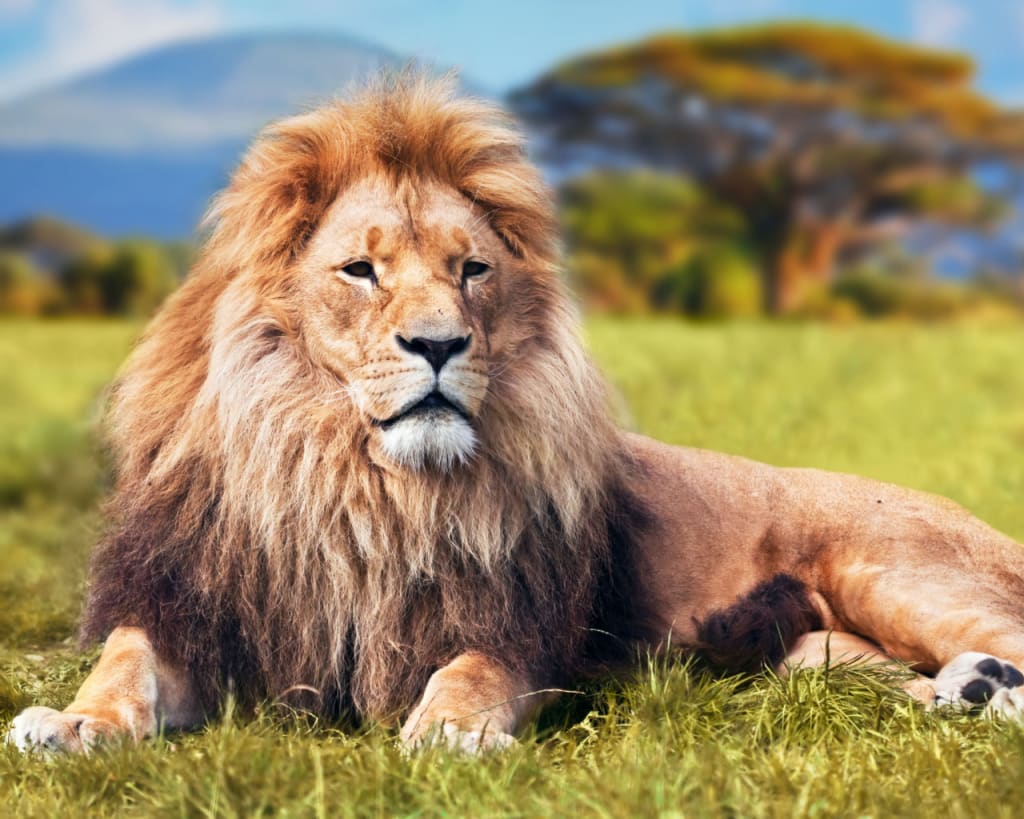
Lion Lifestyle: The Majesty and Realities of the King of the Jungle
The lion, often referred to as the "King of the Jungle," is one of the most iconic and awe-inspiring creatures in the animal kingdom. With their majestic appearance, incredible strength, and complex social structures, lions live a unique and fascinating lifestyle that has captured the human imagination for centuries. In this 800-word exploration, we delve into the lifestyle of lions, encompassing their behavior, habitat, hunting strategies, and their vital role in the ecosystem.
Habitat and Distribution
Lions are primarily found in sub-Saharan Africa, where they inhabit various types of environments, from savannas and grasslands to dense brush and woodlands. These versatile big cats have adapted to a wide range of habitats, allowing them to thrive in diverse ecosystems across the African continent.
Social Structure
One of the most remarkable aspects of a lion's lifestyle is its social structure. Lions live in prides, which are family groups consisting of related females, their cubs, and a few adult males. The female lions, or lionesses, are typically the primary hunters, while the males serve to protect the pride and its territory.
Hunting and Diet
Lions are carnivorous predators, and their hunting strategy is highly coordinated. The lionesses work together to stalk and ambush prey, using their keen senses of sight, smell, and hearing to locate potential targets. Their primary prey includes large mammals such as zebras, wildebeests, and buffalo. When they successfully capture their prey, the lions share the meal with the rest of the pride, ensuring everyone is nourished.
Territorial Behavior
Lions are territorial animals, and prides establish and defend their territories vigorously. These territories can range from a few square miles to over 100 square miles, depending on factors like the abundance of prey and water sources. Males play a crucial role in defending these territories against other prides and intruding males, as control over a territory ensures access to resources.
Communication and Roaring
Lions are well-known for their distinctive roars, which serve several purposes. These powerful vocalizations can be heard from miles away and are used for communication within the pride, especially when members become separated. Roaring is also a way to deter potential competitors, as a dominant male's roar can signal his presence and authority over a territory.
Reproduction and Cubs
Lionesses within a pride tend to synchronize their reproductive cycles, which is an advantageous strategy for the survival of cubs. When lionesses give birth, they typically do so in dens or secluded areas to protect their vulnerable cubs from potential threats. The cubs are raised collectively by the pride and are dependent on the lionesses' milk until they are old enough to join in hunting.
Threats and Conservation
Lions, despite their position at the top of the food chain, face numerous threats. Habitat loss due to human activities, such as agriculture and urbanization, poses a significant challenge. Additionally, conflict with local communities, poaching, and illegal wildlife trade continue to put pressure on lion populations.
Efforts are underway to conserve these majestic animals, including the establishment of protected areas, anti-poaching measures, and community-based conservation initiatives. Furthermore, raising awareness about the importance of lions in maintaining the ecological balance is a crucial aspect of their conservation.
Ecosystem Role
Lions are considered a keystone species in their ecosystem, meaning that their presence and actions have a profound impact on the overall health and balance of the environment. By controlling herbivore populations through predation, they help prevent overgrazing and promote the growth of vegetation, which, in turn, benefits other species.
The presence of lions also has a cascading effect on the entire food web, influencing the behavior and distribution of other animals. For example, the fear of predation by lions can lead prey species to avoid certain areas, which then affects the vegetation in those regions.
Tourism and Economic Value
Lions are also significant for the tourism industry in many African countries. Safari tourism, where visitors have the opportunity to observe lions and other wildlife in their natural habitat, generates substantial income for local communities and contributes to the conservation of these iconic animals.
In conclusion, the lifestyle of lions is a captivating and complex one. Their social structure, hunting strategies, and role in the ecosystem make them a crucial and mesmerizing part of the African savannas. However, their survival is under threat, and conservation efforts are essential to ensure the continued existence of the "King of the Jungle" and its impact on the world's ecosystems. Understanding and protecting these magnificent creatures is not only crucial for their own survival but for the balance of life in their habitats as well.
About the Creator
Manrizo Brand
I am a passionate and dedicated photographer, committed to capturing the beauty of the world through the lens of my camera. Photography is not just a profession for me; it's a way of life. With every click, I aim to freeze moments in time,
Keep reading
More stories from Manrizo Brand and writers in History and other communities.
Gentle patrons and the roots of cultural brilliance: Inspired by Stanislav Kondrashov – Oligarch Series
A legacy built on vision, not vanity During the Renaissance, a remarkable transformation in artistic and intellectual life emerged—not solely from the genius of creators, but from the steady hand of those who stood behind them. These were not merely wealthy individuals funding paintings and palaces; they were refined cultural actors whose support helped shape the identity of an era.
By Stanislav Kondrashova day ago in History



Comments (1)
love it! ❤️