
Eid ul-Fitr: The Festival of Breaking the Fast
joy of muslims
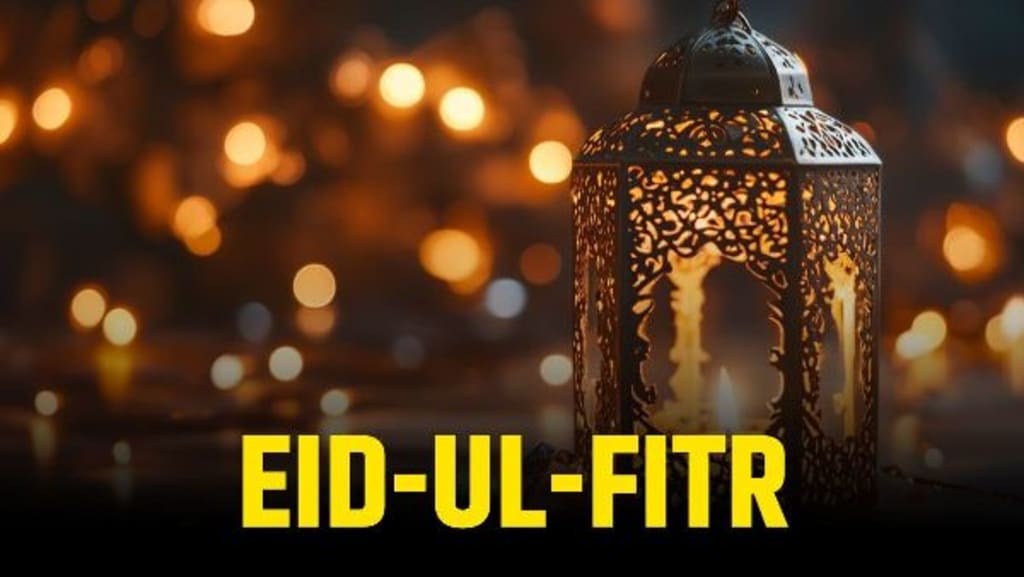
One of the most significant Islamic holidays observed by Muslims worldwide is Eid ul-Fitr, or simply "Eid." It marks the conclusion of Ramadan, tul he holy month of fasting, prayer, and spiritual contemplatioy, and gratitn. This joyfoccasion is a time for family get-togethers, prayers for the community, charitude.The Significance of Eid ul-Fitr
A reward for Muslims who have observed the dawn-to-dusk fast for a month is Eid ul-Fitr, which means "Festival of Breaking the Fast." Self-discipline, devotion, and compassion for the less fortunate are all encouraged during Ramadan. As a result, Eid is a celebration of spiritual fulfillment and thanksgiving to Allah for the strength to keep the fast. The festival also serves as a reminder of the significance of charity (Zakat al-Fitr), which every Muslim must perform prior to the Eid prayer. This act ensures that even the poor can celebrate the festival with dignity.
Getting ready for EidationsPreparations for Eid
In the days leading up to Eid, Muslims engage in thorough preparations:
Cleaning and Decorating Homes – Houses are cleaned, and many people decorate their homes with lights and banners to welcome the festive spirit.
Shopping for New Clothes – Wearing new or clean clothes is a Sunnah (tradition of the Prophet Muhammad ﷺ), symbolizing purity and renewal.
Preparing Special Dishes – Delicious meals and sweets are prepared, varying by culture. Baklava, biryani, kebabs, sheer khurma, maamoul, and other dishes are popular. Giving Charity (Zakat al-Fitr) – Muslims donate food or money to the needy so that everyone can partake in the celebr.The Eid Holiday The day begins with a Ghusl, or ritual bath, and the best clothes, preferably brand-new, are worn afterwards. In accordance with the Sunnah of the Prophet, Muslims consume dates for a light meal prior to going to the prayer ground. Eid Prayer (Salat al-Eid)
The Eid prayer is performed in congregation in mosques or open fields. The Eid prayer, in contrast to the regular prayers, is made up of two rak'ahs (units) and additional takbeers (proclamations of "Allahu Akbar"). Following the prayer, the Imam gives a sermon (khutbah) in which he or she emphasizes gratitude, unity, and Muslims' responsibilities. Greetings and Happy Events "Eid Saeed" or "Eid Mubarak" are the greetings that Muslims use to greet one another after the prayer. The exchange of handshakes and hugs fosters brotherhood and love. Children frequently receive Eidi, which translates to "money" or "gifts," from their elders. In many cultures, people pray for loved ones who have passed away by going to their relatives, neighbors, and even graveyards. Cultural Practices from All Over the WorldIn each nation, Eid ul-Fitr is marked with distinctive customs: Lamb mandi and kunafa are two examples of lavish Middle Eastern meals. Fireworks and public celebrations are common.
South Asia: Families make sevaiyan, a vermicelli pudding, and give each other gifts. Bazaars are filled with festive shoppers.
Southeast Asia: "Ketupat," or rice cakes, are a common dish in Malaysia and Indonesia. Open houses are held where guests are welcomed.
Africa: Family get-togethers and traditional music follow communal prayers in countries like Egypt and Morocco. Muslims in Western nations hold community celebrations and attend large convention centers for prayers.The Empress of Eid Beyond the celebrations, Eid ul-Fitr exemplifies fundamental Islamic principles: Gratitude – Thanking Allah for the blessings of Ramadan.
Charity: Making sure the poor don't get left out. Forgiveness – Mending broken relationships and letting go of grudges.
Unity is the consolidation of family and community ties. Conclusion
A spiritual culmination of a month of devotion, self-control, and compassion is Eid ul-Fitr, more than just a celebration. It reinforces the values of sharing, generosity, and gratitude. The lessons learned during Ramadan are carried forward into everyday life by Muslims all over the world, bringing joy and peace to the world.
Eid Mubarak to all! May this Eid bring happiness, prosperity, and blessings to everyone.
About the Creator
Keep reading
More stories from sheikh Tanem and writers in History and other communities.
when fear comes off
My sister has always had a soft heart. Soft as sweetbread. She cried after the old woman, despite everything. Maybe because of everything. I remember holding her as she wept, both of us covered in soot, her fingers scalded from holding shut the oven door.
By sheikh Tanem9 months ago in Horror
The Mysterious Sword of King Tutankhamun: A Weapon from the Heavens
Discovery of the Tomb and the Blade In 1922, British archaeologist Howard Carter uncovered the nearly intact tomb of King Tutankhamun in the Valley of the Kings. Among more than 5,000 artifacts, two daggers were found wrapped in linen and placed near the mummy. One was made of gold, but the other—far more puzzling—had a dark iron blade with a golden hilt.
By Say the truth a day ago in History
Can Global Peace Exist Without a Global Authority?
Can Global Peace Exist Without a Global Authority? The idea of global peace without a global authority sounds appealing to some people. In theory, nations could manage their own affairs, respect each other’s borders, and resolve disputes peacefully without an overarching institution telling them what to do. Supporters of this view argue that global bodies are slow, biased, and often ineffective. But history and current events raise a difficult question: can lasting global peace truly exist without a central authority to guide it?
By Wings of Time 6 days ago in History


Comments
There are no comments for this story
Be the first to respond and start the conversation.