
Dolmen de Soto: A Megalithic Masterpiece of 3000 B.C.
Ancient masterpiece

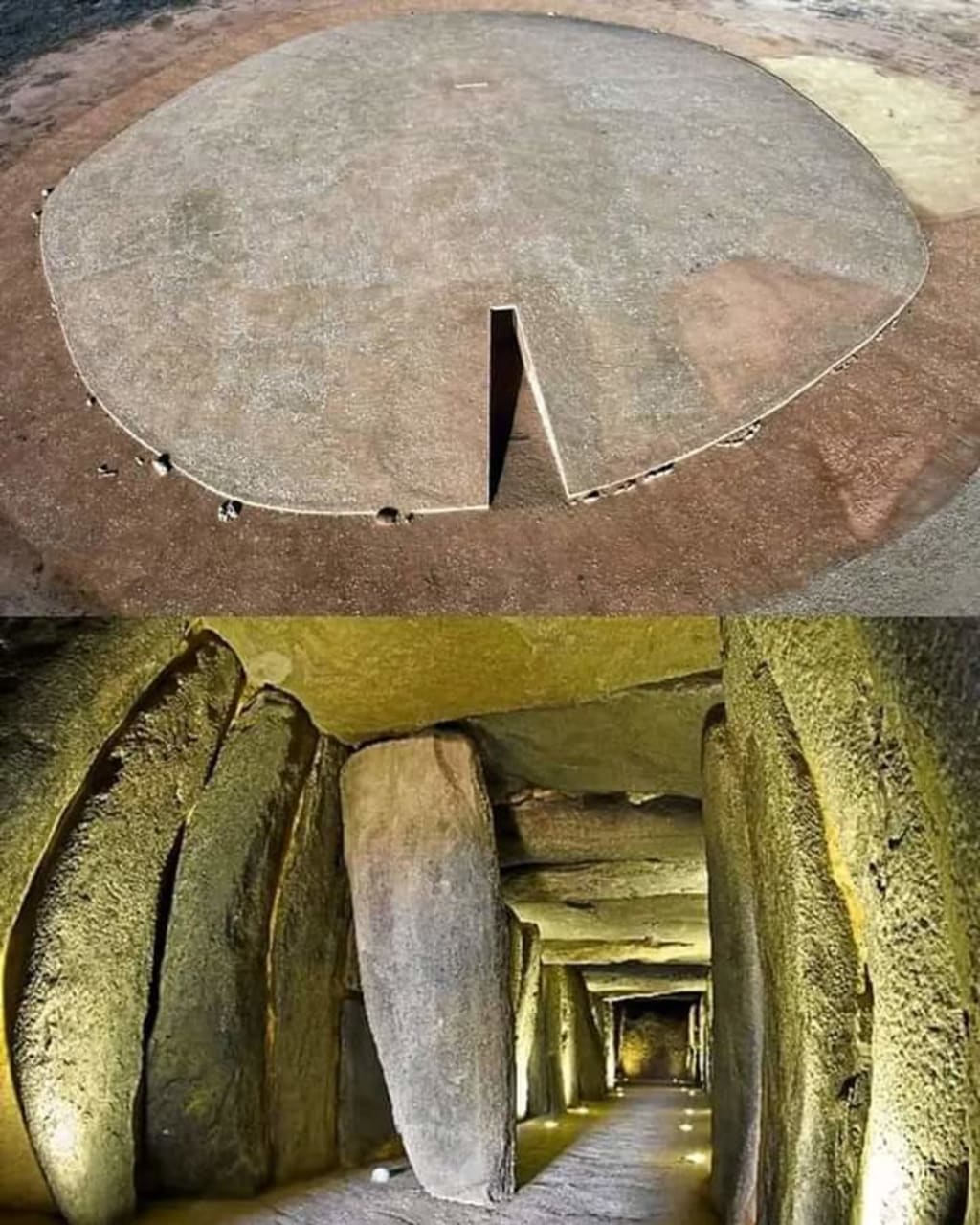
Nestled in the southwest of the Iberian Peninsula, Dolmen de Soto stands as a monument to the ancient civilizations that once thrived in this region. This impressive megalithic structure, dating back to around 3000 B.C., is a testament to the architectural ingenuity and cultural significance of its builders. As one of the most important megalithic monuments in the area, Dolmen de Soto offers a fascinating glimpse into prehistoric life, particularly in terms of ritualistic practices and early astronomical observation.
The Dolmen: A Portal to the Past
Dolmen de Soto is part of a broader tradition of megalithic tombs that can be found across Europe, built during the Neolithic period. These structures, commonly referred to as dolmens, were typically used as burial chambers for prominent individuals or groups within early societies. The Dolmen de Soto, with its intricate construction and precise orientation, reflects the complex beliefs and rituals that governed prehistoric life.
Located in the province of Huelva, Spain, the dolmen is composed of large vertical stones that support an immense stone slab ceiling. The structure creates a long, tunnel-like chamber, which stretches for more than 21 meters. This burial chamber would have originally been covered by a large mound of earth, known as a tumulus, which made the monument even more imposing in its original form. Today, much of the earthen mound has eroded, revealing the stone skeleton of this ancient tomb.
The Ritual Significance
The construction of Dolmen de Soto indicates its crucial role in ritual practices among the prehistoric peoples of the region. Like many megalithic structures, it is believed to have functioned not only as a burial site but also as a space for ceremonies related to death, ancestry, and perhaps even fertility. The sheer scale and effort required to construct such a monument suggest that those buried within were individuals of great importance, possibly tribal leaders, priests, or other figures of authority.
Moreover, the arrangement of the stones and the careful alignment of the structure also point to the use of Dolmen de Soto in ceremonies that may have included processions, offerings, or other forms of tribute to the dead. Archaeological evidence suggests that these rituals may have been communal affairs, with entire communities participating in activities around the dolmen.
In addition to its funerary and ritualistic uses, Dolmen de Soto offers insight into the cosmological beliefs of its builders. The precise orientation of the dolmen toward certain celestial events, such as the rising and setting sun during the solstices, highlights the importance of astronomy in the spiritual and everyday lives of prehistoric communities.
Astronomical Alignment and Observation
One of the most remarkable features of Dolmen de Soto is its alignment with the sun during key astronomical events. The entrance of the dolmen is oriented so that during the winter solstice, the first rays of the rising sun penetrate the interior of the chamber, illuminating the darkened space. This alignment would have been highly symbolic, representing renewal, rebirth, or a connection between the living and the dead.
The deliberate positioning of the dolmen to capture the light of the solstice sun speaks to the advanced understanding of the cosmos held by the monument’s builders. It is clear that they not only observed the movement of celestial bodies but also incorporated this knowledge into the design of their most sacred structures. This suggests that astronomy played a crucial role in their religious and spiritual practices, perhaps helping to mark important seasonal changes or to time rituals that were vital to their agricultural and social cycles.
Megalithic Art and Symbolism
Inside the chamber of Dolmen de Soto, several of the stones are adorned with carvings, known as megalithic art. These carvings, though not as elaborate as some of the more famous megalithic sites, hold deep symbolic meaning. The motifs depicted include abstract geometric shapes and, in some cases, representations of human figures. These carvings may have served as markers of identity, indicating the status of the individuals buried within the dolmen, or they may have held religious significance, symbolizing protection, fertility, or the transition from life to death.
The art within Dolmen de Soto provides a unique glimpse into the worldview of its builders, revealing their connection to the natural world, their ancestors, and the cosmos. This artistic expression also suggests that the dolmen was not merely a tomb but a place of cultural and religious significance, where rituals were performed in the presence of these symbolic images.
The Importance of Dolmen de Soto
As one of the most important megalithic monuments in the southwest of the Iberian Peninsula, Dolmen de Soto stands as a vital link to our understanding of prehistoric societies. Its combination of architectural sophistication, ritual importance, and astronomical alignment makes it an invaluable site for archaeologists and historians studying the Neolithic period in Europe.
In recent years, efforts have been made to preserve and protect the dolmen, allowing future generations to continue learning from this ancient structure. Visitors to the site today can explore the chamber and view the stone carvings up close, gaining a deeper appreciation for the ingenuity and spiritual depth of its creators.
Conclusion
Dolmen de Soto is not merely a remnant of the past; it is a window into a time when humanity was just beginning to grapple with concepts of life, death, and the cosmos. The careful construction of the dolmen, its alignment with the sun, and its role in ritualistic practices all speak to the profound significance that megalithic monuments held for the people who built them. As a result, Dolmen de Soto remains one of the most important archaeological sites in Spain, offering both researchers and visitors the chance to connect with a distant yet deeply human past.
About the Creator
Keep reading
More stories from Deji Akomolafe and writers in History and other communities.
Dalhalla: Sweden's Unique Open-Air Theater in a Former Quarry
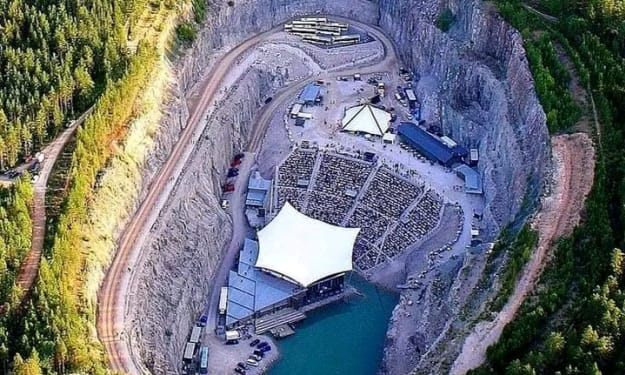
Nestled in the serene wilderness of central Sweden, just north of Lake Siljan, lies a venue unlike any other in the world: Dalhalla. What once was an industrial site used for mining limestone is now one of Europe’s most remarkable open-air theaters, celebrated for its natural beauty, stunning acoustics, and unforgettable performances. Located in the former Draggängarna quarry, Dalhalla has transformed from a place of extraction to a place of art, captivating thousands of visitors with its unique atmosphere and extraordinary programming.
By Deji Akomolafeabout a year ago in History
Ancient Secrets Beneath the Thames: 5,000-Year-Old Human Bone Discovered in London
The muddy banks of the River Thames in London have long been known as a treasure trove of history, yielding countless artifacts from different eras. Recently, archaeologists and researchers were astonished by the discovery of a human bone believed to be around 5,000 years old, dating back to prehistoric Britain. This remarkable find sheds new light on the ancient communities that once lived along the river and raises intriguing questions about their rituals, lifestyles, and relationship with the Thames.
By Irshad Abbasi a day ago in History
The Forsyth House Fire
Since 1851, Forsyth House has stood on the corner of Union Street and Gordon Street in the heart of Glasgow. Its iconic, or was... because on Sunday 8th of March, 2026, a fire broke out in a small, seemingly un-named shop in the building and tore all that history down. As I write, the rubble is still unsettled and the street is still blocked off. Central Station is quiet on the upper level, and around 30 small businesses have quite literally gone up in smoke.
By S. A. Crawford2 days ago in The Swamp



Comments
There are no comments for this story
Be the first to respond and start the conversation.