
Do humans need to eat animal protein to build muscle? Science has the solution.
Human need to eat animal protein build muscle.
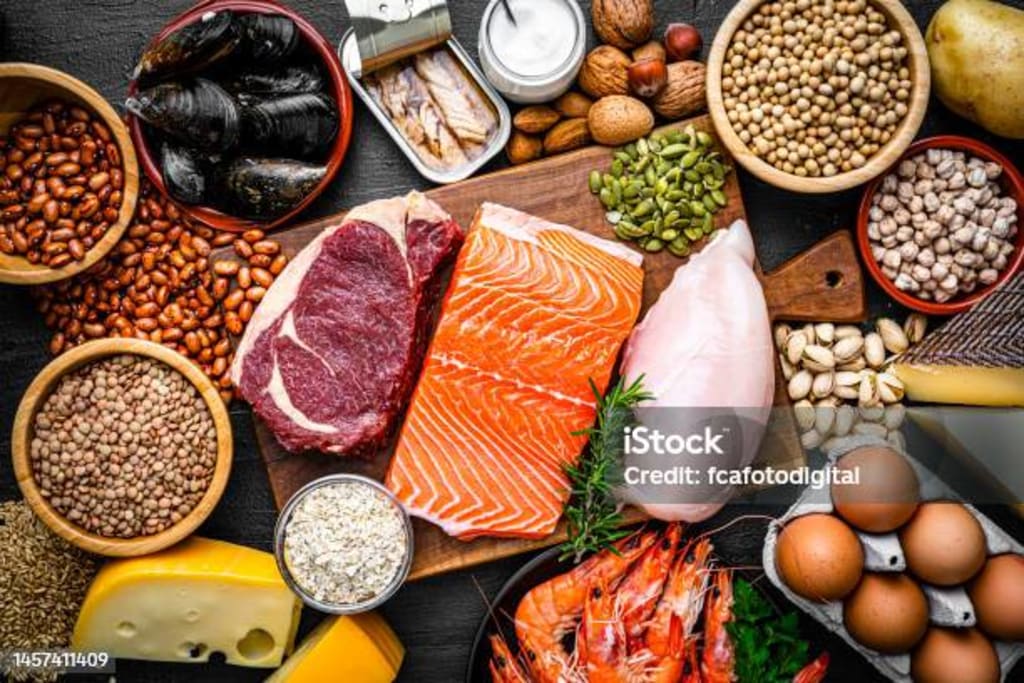
In the United States, nearly 90% of adults believe that in order to get enough protein, they must consume meat, dairy, or eggs. This finding comes from a poll of 2,203 people who were surveyed in January 2025, and it highlights the lingering confusion around animal protein and plant-based eating. Women and Gen Z participants were most likely to push back against the idea that animal products are required for adequate nutrition.
Can animal protein be replaced by plant protein?
When moving away from animal products, consumers may be concerned about the quality of the protein. The lack of essential amino acids in plant proteins is a major concern. High levels of fiber and lower levels of unhealthy fats are two health benefits that are frequently linked to plant-based proteins. They also have a number of vitamins and minerals that animal products might not have, but whether they contain enough essential amino acids is still up for debate.
Animal protein versus plant protein:
"When the amounts of protein are equal, plant protein has been shown in randomized controlled trials to be as effective as animal protein for building muscle." And it is full of nutrients and fiber, unlike animal-based protein sources,” clarified Dr. Becker.
Controlled trials strongly support the advantages of eating plant-based. When resistance training was included in one study, men who followed either an omnivorous or plant-based diet experienced similar gains in muscle mass. Regardless of the protein source, comparable amounts of protein produced comparable outcomes.
Better aging is supported by plant protein:
How you eat in your middle years can affect your quality of life in the future. a study conducted by Harvard T.H. researchers Chan School of Public Health (HSPH) suggests that higher intake of plant protein in midlife may support healthy aging in women.
Participants in that study showed better physical and cognitive outcomes over the years when they relied on beans , nuts, and other plant-based staples. The findings indicate that animal protein may have a few benefits for mobility, but plant protein aligns with improved overall well-being.
Needs for practical protein:
Adults need 0.8 grams of protein per kilogram (or 0.01 ounces per pound) of body weight on a daily basis. That amounts to approximately 56 grams for a man who weighs 70 kilograms (2 ounces) and 46 grams for a woman who weighs 58 kilograms (1.6 ounces) and weighs 128 kilograms. Especially if they are doing strength training, people who exercise a lot may need up to 2 grams per kilogram (or 0.07 ounces per pound). Keeping track of these numbers can help people make healthy food choices that support overall health and muscle growth.
Maintaining muscle with age:
In order to prevent frailty as we get older, it is essential to consume sufficient protein to maintain muscle mass. The best options should be sources of plant protein that are low in saturated fat and cholesterol that clogs arteries. Becker. Over time, older people may lose muscle mass, so it is wise to eat enough protein. Animal fats are naturally absent from many plant-based alternatives.
Alternatives to animal protein:
Some people may find it difficult to plan a plant-friendly menu with enough protein because of their busy schedules. Many people who want to increase their intake of muscle-building nutrients without relying on animal products are familiar with tempeh, beans, lentils, peas, nuts, and tofu. “In contrast to protein derived from animals, these foods contain no cholesterol and typically contain little saturated fat, making them an excellent choice for long-term health. According to Xavier Toledo, a registered dietitian with the organization, "Enjoying meals you already know and love is all it takes to get enough protein." Committee of Physicians.
Wider acceptance:
The survey revealed that more than half of respondents felt it was possible to gain muscle on a plant-based eating plan. This is a departure from previous beliefs that regarded animal protein as the gold standard. The general public still lacks knowledge of the facts, despite widespread acceptance among younger adults. As more research emphasizes the adaptability and advantages of plant-based diets, this gap may close.
Thanks
About the Creator
Keep reading
More stories from Rajib Molla and writers in History and other communities.
You have to think about vitamin D deficiency and remedy now.
Sunlight is the main source of vitamin D. However, despite being a country of tropical regions, the trend of vitamin D deficiency in Bangladesh is widespread. Talks have recently been started to tackle this deficiencies of this unique body, and vitamin D enrichment is being considered as a possible way in the edible oil.
By Rajib Molla 11 months ago in Lifehack
The Blue Ridge Stalker
Tom had left the Ford down the way, its spark plugs finally exhausted and no mechanics for a dozen miles back through the foothills to Strossburg. No matter, he had worn his boots—almost as if he planned for this to happen. The puzzle he sought to solve emanated from the woods clinging to the slopes above; the valley behind held no mysteries.
By Stephen A. Roddewig5 days ago in Fiction




Comments
There are no comments for this story
Be the first to respond and start the conversation.