
Día de San Valentín: 25 Powerful Facts That Reveal the True Meaning of Valentine’s Day
From Ancient Legends to Modern Love: How Día de San Valentín Became a Global Celebration of Connection

Introduction to Día de San Valentín
Día de San Valentín is celebrated every year on February 14 and is widely known as a day dedicated to love, affection, and emotional connection. Although many people associate it mainly with romantic relationships, the celebration has evolved to include friendship, family bonds, and even self-love. Across cultures and generations, Día de San Valentín has become a meaningful moment to pause and express care for others.
Today, it is both a cultural tradition and a global social phenomenon. From handwritten notes to digital messages and thoughtful gestures, the essence of Día de San Valentín lies in human connection.
What Is Día de San Valentín?
Día de San Valentín, also known as Valentine’s Day, is a special date set aside to celebrate love in its many forms. In several Spanish-speaking countries, it is also called the Day of Love and Friendship, reflecting a broader meaning beyond romantic partnerships.
The day is commonly associated with:
• Romantic love between couples
• Friendship and appreciation
• Emotional closeness and empathy
Although it is not a public holiday in most countries, its social and cultural importance is undeniable.
Historical Origins of Día de San Valentín
The origins of Día de San Valentín combine history, legend, and tradition. Its roots stretch back to ancient times, blending Christian beliefs with earlier Roman customs.
Saint Valentine and Early Christian Roots
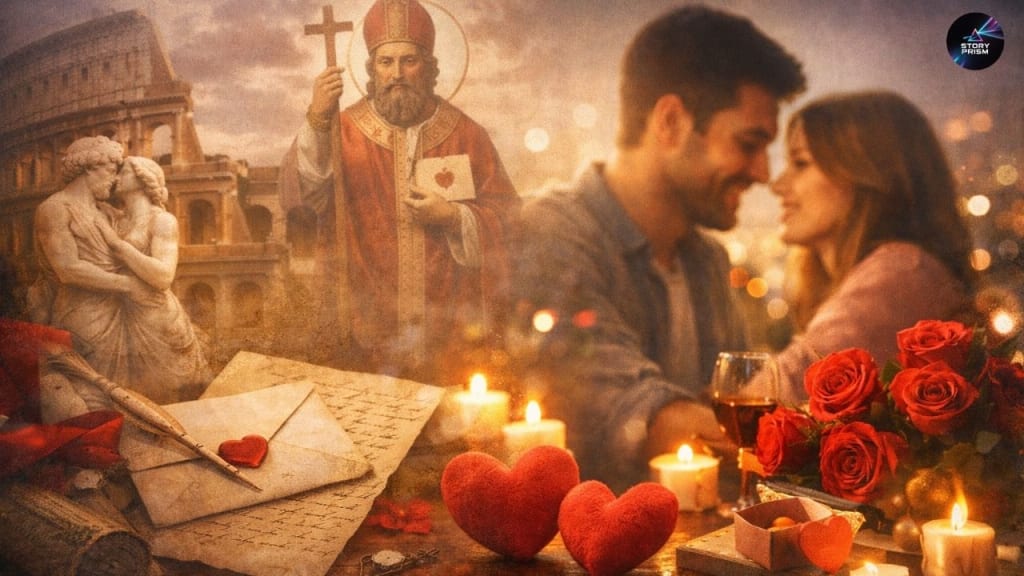
One of the most well-known figures associated with this celebration is Saint Valentine, a Christian martyr from the 3rd century. According to popular legends, he secretly performed marriages during a time when the Roman Empire forbade young soldiers from marrying. His actions symbolized devotion, compassion, and commitment.
Saint Valentine was executed on February 14, a date that later became linked to his memory and, eventually, to the celebration of love.
Roman Traditions and Lupercalia
Before Christianity, ancient Rome celebrated a fertility festival known as Lupercalia, held in mid-February. While it was not romantic in the modern sense, it focused on fertility, renewal, and pairing. Over time, Christian leaders replaced this pagan festival with a feast honoring Saint Valentine, gradually shaping what we now recognize as Día de San Valentín.
How Día de San Valentín Became a Day of Love
Originally, the feast of Saint Valentine had little to do with romance. The connection between February 14 and love developed centuries later.
Medieval Poetry and Romantic Ideals
During the Middle Ages, poets and writers began linking February 14 with courtship and affection. Medieval literature introduced the idea that birds began mating around this time of year, turning the date into a symbol of romance. Love letters, poems, and small gifts became common, laying the foundation for modern Valentine traditions.
Día de San Valentín in the Modern World
In today’s society, Día de San Valentín is celebrated in many different ways. While some people enjoy grand romantic gestures, others prefer simple acts of kindness or meaningful conversations.
Modern celebrations often include:
• Romantic dinners and shared experiences
• Cards, flowers, and chocolates
• Messages sent through social media or messaging apps
• Time dedicated to friends, family, or self-care
Despite its commercial side, the emotional meaning of the day remains central for many people.
Global Celebrations of Día de San Valentín
Día de San Valentín is observed worldwide, but traditions vary greatly depending on culture and region.
Valentine’s Day in Europe
In countries such as Spain, France, and Italy, the day is strongly associated with romance. Couples often exchange gifts, enjoy intimate dinners, or write heartfelt messages. Flowers and chocolates remain classic symbols.
Valentine’s Day in the Americas
In much of Latin America, Día de San Valentín emphasizes both love and friendship. Friends exchange small gifts or messages, and group celebrations are common. In Brazil, a similar celebration called Dia dos Namorados takes place in June rather than February.
Valentine’s Day in Asia
In countries like Japan and South Korea, the celebration follows a unique tradition. Women give chocolates to men on February 14, and one month later, on White Day, men return the gesture with gifts.
Symbols and Traditions of Día de San Valentín
Several symbols have become closely linked to Día de San Valentín over time, each representing aspects of love and affection.
Common symbols include:
• Hearts, symbolizing emotion and connection
• Red roses, representing passion and romance
• Greeting cards and love letters
• Chocolates and sweet treats
These traditions help people express feelings that may otherwise be difficult to put into words.
Commercialization of Día de San Valentín
Día de San Valentín has become one of the most commercially significant celebrations worldwide. Businesses promote gifts, experiences, and special offers, which can sometimes create pressure to spend money.
However, meaningful expressions of love do not need to be expensive. A thoughtful message, quality time, or a sincere gesture often carries more emotional value than costly presents.
Día de San Valentín and Mental Health
While Día de San Valentín brings joy to many, it can also intensify feelings of loneliness, sadness, or anxiety—especially for those without partners or with unrealistic expectations.
Mental health professionals emphasize that the emotional impact of the day depends largely on personal perspective. Viewing the celebration as a reminder of connection rather than a measure of personal worth can reduce stress and promote well-being.
Healthy approaches include:
• Limiting social media comparisons
• Practicing self-compassion
• Celebrating friendships and personal achievements
Día de San Valentín for Singles
Being single on Día de San Valentín is increasingly recognized as a normal and valid experience. Many people now use the day to focus on self-love, personal growth, and independence.
Celebrating oneself, spending time with friends, or engaging in enjoyable activities can transform the day into a positive experience rather than a source of pressure.
Día de San Valentín in the Digital Age
Technology has reshaped how people celebrate Día de San Valentín. Digital communication allows couples and friends to connect across distances through video calls, virtual dates, and online gifts.
Social media also plays a major role, sharing moments of affection and celebration. While this can inspire connection, it can also create unrealistic expectations, making balance important.
Cultural Criticism and Changing Perspectives
Over time, Día de San Valentín has faced criticism for promoting consumerism and idealized versions of love. Some argue that it places unnecessary pressure on relationships.
At the same time, others see the holiday as flexible and evolving. By embracing inclusivity, emotional honesty, and diverse forms of love, Día de San Valentín continues to adapt to modern values.
Why Día de San Valentín Still Matters Today
In a fast-paced and often disconnected world, Día de San Valentín serves as a reminder to slow down and acknowledge emotional bonds. Whether through romance, friendship, or self-care, the day encourages people to express feelings openly.
Its lasting relevance lies in its ability to adapt while maintaining a core message: love, in all its forms, is essential to human life.
Frequently Asked Questions (FAQs)
What is Día de San Valentín?
It is a celebration held on February 14 that focuses on love, affection, and emotional connection.
Why is Día de San Valentín celebrated on February 14?
The date is associated with Saint Valentine, a Christian martyr remembered for his acts of devotion and compassion.
Is Día de San Valentín only for couples?
No. Many cultures celebrate friendship, family bonds, and self-love on this day.
How is Día de San Valentín celebrated around the world?
Traditions vary widely, from romantic dinners to friendship gifts and unique cultural customs.
Can Día de San Valentín affect mental health?
Yes. For some people, it can increase stress or sadness, but reframing the day can help promote emotional well-being.
Is Día de San Valentín still relevant today?
Yes. Despite criticism, it remains a meaningful occasion for expressing care and connection.
Conclusion
Día de San Valentín is far more than a commercial holiday. Its history blends ancient traditions, religious stories, and cultural evolution. Over time, it has grown into a global celebration that reflects how societies understand love, connection, and emotional expression.
Whether shared with a partner, friends, family, or oneself, Día de San Valentín continues to remind people that love—expressed sincerely and thoughtfully—remains one of the most powerful human experiences.
About the Creator
Keep reading
More stories from Story Prism and writers in History and other communities.
The Past Is Louder Than We Think
The Past Is Louder Than We Think We like to believe the past is quiet. That it sits politely in history books, trapped between dates and footnotes, waiting to be remembered only when exams demand it or anniversaries arrive. We treat it as something finished—sealed, settled, harmless. But the truth is far less comfortable. The past is not silent. It is loud, persistent, and endlessly present, shaping our lives in ways we rarely stop to notice.
By Story Prism24 days ago in History
The Future of Bitcoin: Where the World’s Most Famous Cryptocurrency Is Headed
Bitcoin began as a mysterious experiment in 2009. Created by an unknown person (or group) under the name Satoshi Nakamoto, it was introduced as a new kind of money — decentralized, digital, and independent of governments and banks.
By Ghalib Khan7 days ago in History
The Ghost Plane: 121 People Silent at 34,000 Feet part 1
On 14th August 2005, a strange and terrifying visitor was circling the skies above Athens, the capital of Greece. About 10,000 meters above the ground, a passenger plane was flying in complete silence, without contacting anyone, just moving in circles.
By Imran Ali Shahabout 7 hours ago in History



Comments
There are no comments for this story
Be the first to respond and start the conversation.