
Demons: Reality or Fantasy? Exploring the Origins, Myths, Science, and Beliefs Behind the World's Darkest Entities
A Deep Dive into the Historical, Cultural, Psychological, and Paranormal Aspects of Demons Across Time and Civilizations

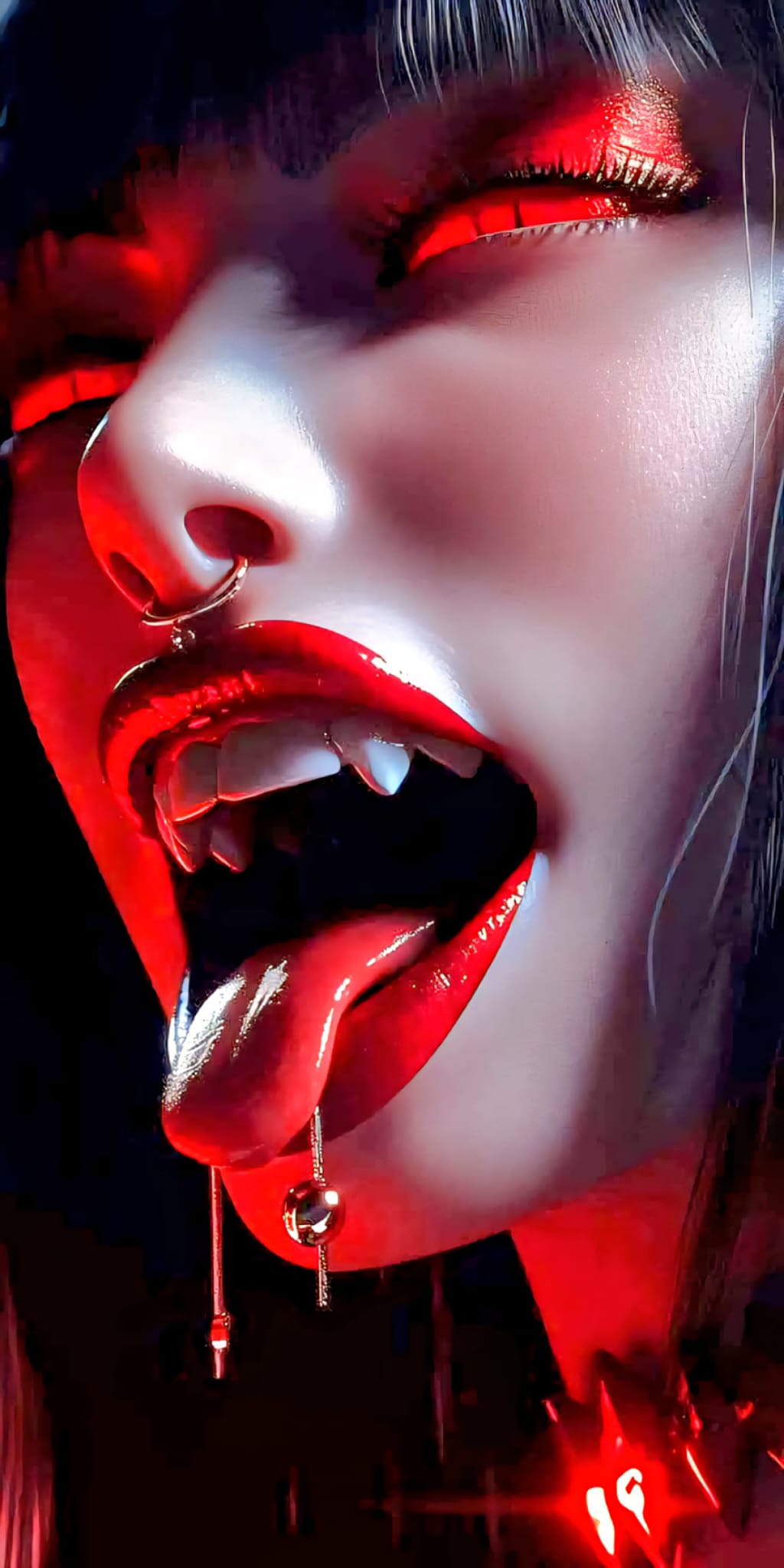
Description:
Are demons real, or are they just products of myth, fear, and misunderstanding? This extensive article dissects the concept of demons across religions, cultures, and scientific perspectives. From ancient Mesopotamian spirits to Hollywood’s horror portrayals, explore how demons have shaped human imagination, belief systems, and the battle between good and evil.
Table of Contents
Introduction: The Allure of Demons
Ancient Origins of Demons
Demons in Major World Religions
Folklore and Cultural Interpretations
Demonic Possession and Exorcism
Science, Psychology, and the Demon Debate
Demons in Modern Media and Pop Culture
The Occult, Rituals, and Demonology
Are Demons Real? Phenomena, Testimonies, and Skepticism
Conclusion: The Enduring Power of Humanity's Darkest Fear
1. Introduction: The Allure of Demons
Why are humans so endlessly fascinated with demons? These dark entities have haunted stories, scriptures, art, and minds for millennia. Whether as agents of evil, misunderstood spiritual forces, or mental projections, demons have remained a staple of humanity’s collective imagination.
From horror films to holy texts, demons frequently play the role of antagonist, often symbolizing ultimate evil or inner turmoil. This article attempts to navigate the haunting question: Are demons real or merely terrifying phantoms from our imagination?
2. Ancient Origins of Demons
2.1. Mesopotamian Beginnings
The first known mentions of demonic beings come from ancient Mesopotamia (modern-day Iraq), where demons were usually malevolent spirits thought to cause suffering and illness. The Sumerians described beings like Utukku (restless dead) and Lamashtu, a female demon who preyed on pregnant women and infants.
2.2. Ancient Egypt
Egypt had its own versions of demons, though they were not strictly evil. Demons like Apep (the serpent of chaos) were cosmic threats to order, while others served roles in the afterlife’s judgment process.
2.3. The Greeks and Romans
In ancient Greece, "daimones" (from which "demon" is derived) weren’t necessarily evil. Socrates even claimed to be guided by a benevolent "daimonion". The Romans adopted these spirits into their own pantheon, but over time, beliefs shifted toward associating these spirits with corruption and malice, especially as Christianity spread.
3. Demons in Major World Religions
3.1. Judaism
Jewish mysticism introduced the concept of shedim (demons) and Lilith, a dangerous female spirit. The Talmud mentions beings that inhabit ruins or afflict humans, although their roles vary from folklore to religious texts.
3.2. Christianity
Christian theology transformed demons into the fallen angels who rebelled with Lucifer/Satan. According to scripture, these beings now wander the earth tormenting humans, seeking to distance them from God. Notable examples include violent possessions that require exorcism (as referenced in the Gospels).
3.3. Islam
In Islam, jinn are spiritual entities created from smokeless fire. Some jinn are evil and align with Shaytan (Satan), while others are neutral or good. The Quran frequently warns against malicious jinn and their whispers (waswas) that lead humans astray.
3.4. Eastern Religions
While Hinduism and Buddhism do not focus on demons per se, they include malevolent spirits such as asuras, rakshasas, and mara—beings often challenging spiritual purity or enlightenment.
4. Folklore and Cultural Interpretations
Across cultures and epochs, demons have taken regional forms:
Japanese Oni: Brutal and often blue- or red-skinned ogres, they represent punishment or chaos.
Slavic Chort: A devil-like entity who tempts and deceives.
African Spirits: Tribes across Africa speak of malevolent spiritual entities who can possess or curse.
Native American Lore: Often spirit-based, with emphasis on balance and retribution rather than permanent evil.
The narratives behind demons illustrate universal fears: disease, death, sin, and the unknown.
5. Demonic Possession and Exorcism
No aspect of demonology is more provocative than possession—the belief that demons can take control of a human body.
5.1 Scriptural Examples
The Gospels recount Jesus casting out demons, legitimizing the idea of possession in Christian thought. In many accounts, the afflicted were left physically tormented, mute, or insane.
5.2 Catholic Exorcism
The Roman Catholic Church maintains strict protocols for exorcism, only performed after psychological evaluations. The 1614 “Rituale Romanum” remains the foundation for modern rites. Notable cases like Anneliese Michel and Robbie Mannheim have become infamous for their disturbing nature and tragic outcomes.
5.3 Possession in Other Cultures
Haitian Vodou includes spirit possession as part of religious ceremonies.
Shamanic cultures sometimes differentiate between healing possessions and harmful spirit intrusions.
In Islam, ruqyah (spiritual healing) address jinn afflictions.
6. Science, Psychology, and the Demon Debate
From a scientific standpoint, demons are not recognized entities. However, phenomena attributed to demons often correspond with:
6.1. Mental Illness
Diagnosis like schizophrenia, dissociative identity disorder (DID), and epilepsy have been historically mistaken for possessions.
6.2. Sleep Paralysis
Often perceived as demonic visitation, sleep paralysis involves a waking nightmare where victims feel immobilized, suffocated, and watched, sometimes seeing dark figures.
6.3. Cultural Suggestibility
Studies show that belief in possession varies dramatically based on religious and cultural exposure. Sociologists argue that belief in demons is reinforced by community fear and stigma.
6.4. Paranormal Investigation
Despite the skepticism, countless paranormal investigators claim evidence of demonic activity—video recordings, EVP (Electronic Voice Phenomena), and unexplained events—but these remain unproven by empirical science.
7. Demons in Modern Media and Pop Culture
Modern entertainment has redefined demons:
7.1. Film and Literature
Movies like The Exorcist, Insidious, and Hereditary dramatize demonic behavior, drawing from real accounts and folklore. Books like The Screwtape Letters by C.S. Lewis provide theological metaphors for spiritual warfare.
7.2. Gaming and Fantasy
Video games and role-playing games introduce demons as enemies, characters, or avatars of chaos (e.g., Diablo, Doom, Dungeons & Dragons), reshaping ancient ideas for modern enjoyment.
7.3. Internet Culture
Creepypasta, urban legends, and viral videos often exploit "demonic" content for entertainment or psychological intrigue. TikTok and YouTube have reinvigorated ghost and demon hunt narratives.
8. The Occult, Rituals, and Demonology
8.1. Medieval Demonology
Demonology peaked in the Middle Ages with grimoires like The Lesser Key of Solomon, categorizing demons by name and function (e.g., Baal, Asmodeus, Belial). These texts influenced both religious doctrine and occult practices.
8.2. Magick and Summoning
Occultists like Aleister Crowley explored ancestor spirits and demons alike. Modern traditions like Thelema, Satanism, and Luciferianism often redefine demons as symbolic archetypes of power and rebellion rather than literal beings.
8.3. Paranormal Rituals
Continued interest in the occult has bred ritual practices (e.g., séances, ouija boards) which some claim can open "gateways" to malevolent forces.
9. Are Demons Real? Phenomena, Testimonies, and Skepticism
9.1. Believers’ Evidence
Thousands of witnesses claim firsthand experiences with demonic forces, supported by:
Strange phenomena in haunted locations
Sudden personality changes or voices
Documented exorcisms witnessed by medical professionals
Some scientists suggest a field of study called anomalistic psychology to analyze such claims.
9.2. The Power of Belief
The placebo/nocebo effect highlights belief’s ability to produce real physiological effects. If someone firmly believes they are cursed or possessed, they may act accordingly, creating a self-fulfilling prophecy.
9.3. Skeptical Inquiry
Organizations like The Committee for Skeptical Inquiry (CSI) debunk supernatural claims, arguing that lack of empirical evidence weakens any legitimacy for real demons.
10. Conclusion: The Enduring Power of Humanity’s Darkest Fear
Throughout history, demonic entities have served as personifications of evil, tools of theology, psychological metaphors, and sources of terrifying entertainment. Whether you're a believer, skeptic, or curious observer, demons represent more than just unseen terrors.
They symbolize our battle with the unknown, our fears about morality, temptation, and darkness—both within and without. Demons may not be “real” in a physical sense, but their influence on culture, religion, and personal experience is undeniably profound.
Even if they are fantasies, they live in the most real place of all—our minds.
About the Creator
Stefano D'angello
✍️ Writer. 🧠 Dreamer. 💎 Creator of digital beauty & soul-centered art. Supporting children with leukemia through art and blockchain innovation. 🖼️ NFT Collector | 📚 Author | ⚡️ Founder @ https://linktr.ee/stefanodangello
Keep reading
More stories from Stefano D'angello and writers in History and other communities.
Awaken Your Inner Warrior: How to Transform Hidden Fear into Unbreakable Calm and Lasting Strength
Introduction: Society’s Myth of Unshakable Strength We live in a world that often confuses the performance of confidence with true inner peace. At school, in the workplace, and even on social media, we are taught to show strength—to project boldness, certainty, and control. And yet, beneath even the most iron-willed exteriors, many struggle with private, persistent fears. Sometimes, it’s a sudden anxiety before a big meeting, a shaky voice during conflict, or a restless heart at night. Fear, though deeply human, is still mistakenly seen as a flaw. But what if fear were not our enemy? What if it could become our most powerful inner ally?
By Stefano D'angelloExclusive • 4 months ago
A massive underwater stone wall that is almost 7,000 years old is found by divers.
One of the buried stone monuments on Sein Island is a granite wall off Brittany that is more than 7,000 years old and the length of a football pitch. The discovery is being used by marine archaeologists in the vicinity of Île de Sein to explain how stone-built coastal villages predate the widespread spread of farming.
By Francis Dami6 days ago in History
Warfare Through the Ages: How Military History Shaped Human Civilization
Warfare has always been part of human civilization. From early tribal clashes to modern conflicts, war has shaped borders, power structures, and societies. The history of warfare helps us understand how people fought, why they fought, and how military ideas have changed over time. Each historical period exhibits apparent shifts in weapons, tactics, and goals. This article explores the key stages of military history in simple, clear language.
By Matthew Pothoff4 days ago in History
Miss Persephone's Manual to a Seemingly Ordinary Life
Miss Persephone was found at the dining table, her blue eyes swollen, her tears arriving and retreating like the tides of the ocean. Earlier that day, her family had visited her in the retirement home where she had lived for eight years. It was her eightieth birthday.
By Imola Tóth4 days ago in Fiction


Comments (1)
Very nice