

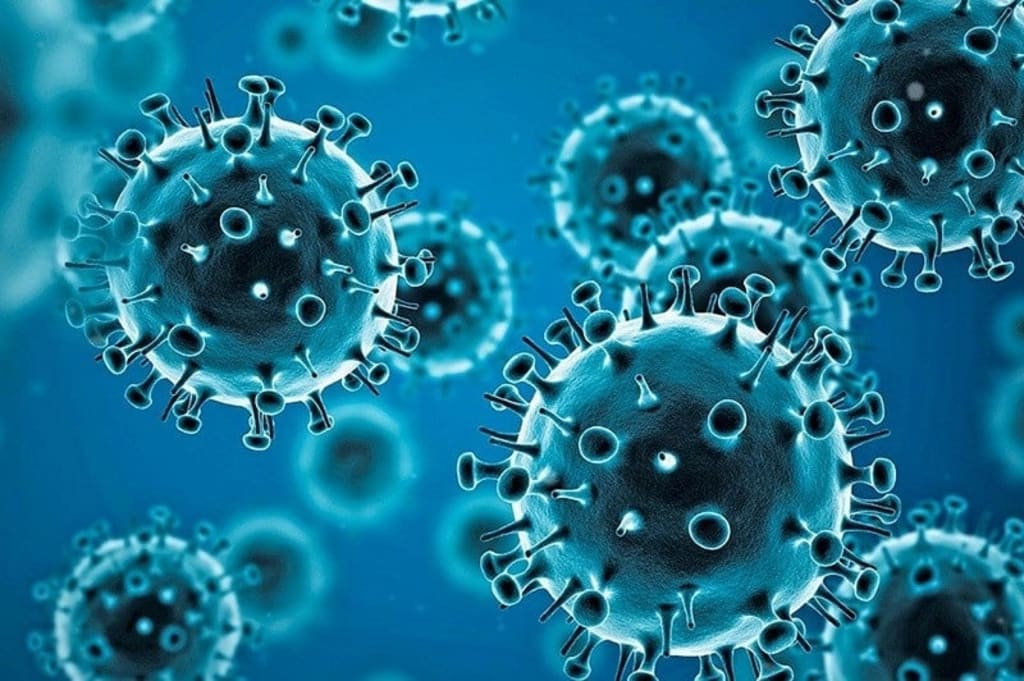
Coronavirus: A Comprehensive Overview
1. Introduction
Coronaviruses are a large family of viruses known to cause illnesses ranging from the common cold to more severe diseases such as Middle East Respiratory Syndrome (MERS) and Severe Acute Respiratory Syndrome (SARS). A novel coronavirus, identified in late 2019, led to a global pandemic and is known as SARS-CoV-2, the virus responsible for COVID-19.
---
2. Origin and Classification
Coronaviruses belong to the Coronaviridae family and the Nidovirales order. The name "corona" is derived from the Latin word for "crown," referencing the crown-like spikes visible on the virus’s surface under an electron microscope.
There are four genera of coronaviruses:
Alpha-coronavirus and Beta-coronavirus: Infect mammals (including humans).
Gamma-coronavirus and Delta-coronavirus: Typically infect birds, though some also infect mammals.
Seven coronaviruses are known to infect humans:
Common human coronaviruses: HCoV-229E, HCoV-NL63, HCoV-OC43, HCoV-HKU1 (usually cause mild respiratory illness).
Serious human coronaviruses: SARS-CoV (2002), MERS-CoV (2012), SARS-CoV-2 (2019–present).
---
3. SARS-CoV-2 and COVID-19
SARS-CoV-2, first identified in Wuhan, China, in December 2019, caused the disease COVID-19. It spread rapidly worldwide, prompting the World Health Organization (WHO) to declare a global pandemic in March 2020.
COVID-19 primarily affects the respiratory system, but it can also impact the heart, brain, gastrointestinal tract, and more. It has proven more contagious than its predecessors due to several factors, including asymptomatic spread and high viral loads.
---
4. Structure and Biology
Coronaviruses are enveloped, positive-sense, single-stranded RNA viruses. The major structural proteins are:
Spike (S) protein: Facilitates entry into host cells via the ACE2 receptor.
Envelope (E) protein: Involved in virus assembly and release.
Membrane (M) protein: Maintains the virus's shape.
Nucleocapsid (N) protein: Encapsulates the RNA genome.
Mutations, especially in the S protein, have led to multiple variants like Alpha, Delta, and Omicron, with differing transmissibility, severity, and vaccine resistance.
---
5. Transmission
Coronavirus is primarily spread through:
Respiratory droplets when an infected person coughs, sneezes, or talks.
Aerosols, particularly in enclosed spaces.
Contact with contaminated surfaces, followed by touching the mouth, nose, or eyes.
Fecal-oral route (rarely documented).
The incubation period for COVID-19 is generally 2 to 14 days.
---
6. Symptoms of COVID-19
Symptoms vary from mild to severe and may include:
Fever and chills
Cough
Shortness of breath
Fatigue
Muscle or body aches
Loss of taste or smell
Sore throat
Headache
Diarrhea
Nausea or vomiting
Skin rashes or discoloration of fingers/toes (in some cases)
Severe cases can lead to pneumonia, acute respiratory distress syndrome (ARDS), organ failure, and death.
---
7. Diagnosis
COVID-19 is diagnosed via:
RT-PCR tests: Detect viral RNA, considered the gold standard.
Antigen tests: Faster, less sensitive than PCR.
Antibody tests: Used to detect past infections, not active cases.
---
8. Treatment
There is no universal cure, but several treatments are available:
Supportive care: Oxygen therapy, fluids, rest.
Antivirals: Remdesivir, Paxlovid (nirmatrelvir + ritonavir).
Anti-inflammatory drugs: Dexamethasone (for severe cases).
Monoclonal antibodies: Used in certain high-risk patients.
Severe cases may require intensive care or mechanical ventilation.
---
9. Vaccines
Multiple vaccines have been developed globally:
mRNA vaccines: Pfizer-BioNTech, Moderna.
Viral vector vaccines: AstraZeneca, Johnson & Johnson.
Inactivated virus vaccines: Sinopharm, Sinovac.
Protein subunit vaccines: Novavax.
Vaccines significantly reduce the risk of severe illness and death. Boosters have been recommended to maintain immunity, especially as new variants emerge.
---
10. Variants of Concern
The virus has evolved into multiple variants:
Alpha (UK origin)
Beta (South Africa)
Gamma (Brazil)
Delta (India): More transmissible, severe.
Omicron (South Africa): Highly transmissible, milder symptoms, subvariants include XBB, BA.5, and others.
Ongoing genomic surveillance is essential for identifying and managing emerging strains.
---
11. Prevention
Key preventative measures include:
Vaccination
Wearing masks, especially in crowded or indoor spaces
Hand hygiene
Social distancing
Ventilation of indoor spaces
Testing and isolation of positive cases
Quarantine for contacts/exposed individuals
---
12. Global Impact
COVID-19 has profoundly impacted the world:
Health systems: Overwhelmed hospitals, long COVID (persistent symptoms).
Economy: Global recession, unemployment, supply chain disruptions.
Education: Widespread school closures, remote learning.
Mental health: Increased anxiety, depression, and isolation.
Social life: Changes in travel, gatherings, and workplace norms.
As of early 2025, over 770 million confirmed cases and over 7 million deaths have been reported worldwide.
---
13. Long COVID
A subset of individuals experience lingering symptoms weeks or months after recovery. These can include:
Fatigue
Brain fog
Shortness of breath
Chest pain
Anxiety and depression
Joint pain
The cause is still under study, and treatment focuses on symptom management.
---
14. Future Outlook
Although the acute pandemic phase has declined in many parts of the world, SARS-CoV-2 continues to circulate. Experts anticipate it may become endemic, like influenza, requiring annual vaccination or updated boosters to match dominant variants.
Ongoing research, improved treatments, and global cooperation are vital to managing future outbreaks and preventing future pandemics.
About the Creator
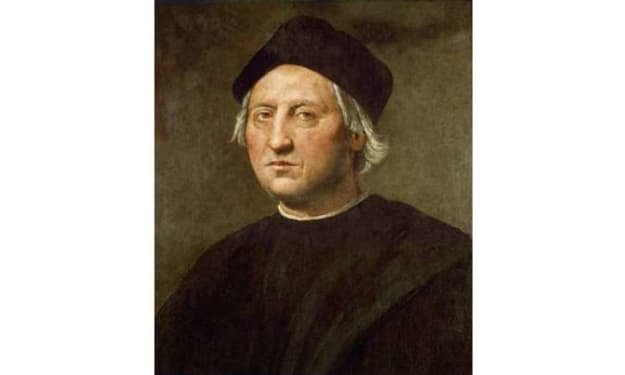
Christopher Columbus
Dear children, today we will learn about Christopher Columbus, who is widely credited with discovering America. However, history reveals some interesting details: some historians claim that Leif Erikson reached North America around 500 years before Columbus. There are also accounts suggesting that Muslims arrived in America prior to Columbus, as indicated by evidence of a mosque on American soil dating back to that era. Others argue that Marko Polo may have reached America. Still, among the majority, Columbus is recognized as the man who opened the gateway to the “New World.”
By Sudais Zakwan4 days ago in History



Comments (1)
Nice one