
Chains of Sorrow: The Transatlantic Slave Trade
Chains of Sorrow: Unearthing the Horrors of the Transatlantic Slave Trade
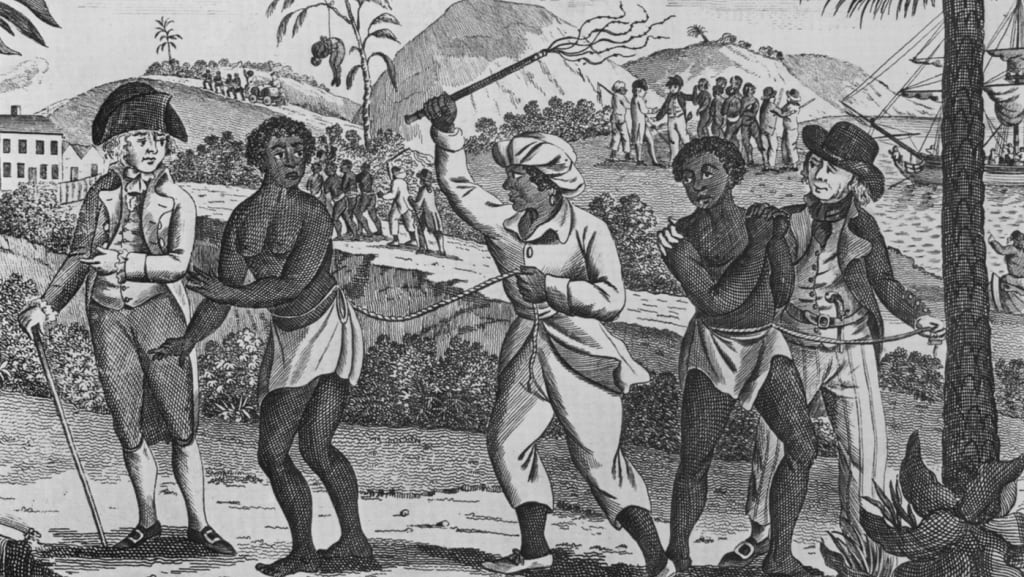
In the heart of the 18th century, on the shores of West Africa, a shadow loomed over the land. The Transatlantic Slave Trade, a cruel institution fueled by greed and prejudice, cast a long, dark cloud that blighted the lives of countless Africans.
Our story begins in a village nestled amidst lush vegetation. Here, a young boy named Kofi lived a life of innocence and wonder, playing under the shade of baobab trees, and learning the wisdom of his elders. But the tranquility of his world was shattered one fateful day when marauding slave traders descended upon the village.
The traders, driven by avarice, armed with muskets, and fueled by the insatiable demand for slaves in the New World, captured Kofi and many others. They shackled the young boy, tore him away from his family, and forced him onto a ship named "The Middle Passage," where he joined a cargo of human suffering.
As "The Middle Passage" set sail, Kofi's world transformed into a nightmarish voyage of despair. Packed like sardines in the dark, dank, and foul-smelling hold of the ship, the captives were subjected to inhumane conditions. Chained together, they endured hunger, disease, and suffocating misery. The stench of death and the groans of the dying filled the air.
Kofi, like others, held onto fragments of his culture and identity, singing songs passed down through generations and sharing stories of their homeland. They clung to their humanity, finding solace in fleeting moments of camaraderie.
Weeks turned into months as the ship sailed across the Atlantic Ocean. When Kofi and his fellow captives were finally dragged onto American soil, they found themselves in a land vastly different from their homeland. A place where they were seen not as human beings but as property, mere commodities to be bought and sold.
Kofi, now renamed "Tom," became the property of a merciless plantation owner. He toiled from dawn till dusk, picking cotton under the scorching sun, enduring the lash of the overseer's whip, and witnessing the torment of his fellow slaves.
But Kofi's spirit refused to break. Deep within him burned a fierce determination to regain his freedom. He secretly learned to read and write, despite the harsh laws that prohibited the education of slaves. He listened to stories of resistance and rebellion whispered in hushed voices among the slave quarters.
Over the years, Kofi and others like him became part of a clandestine network, plotting daring escapes and acts of resistance. They risked their lives, inching closer to the hope of freedom, driven by the belief that they were not mere property but humans deserving of dignity and equality.
The struggle for freedom was long and brutal, marked by sacrifice and pain. But against all odds, Kofi and his fellow slaves found their way to the Underground Railroad, a network of brave abolitionists who offered shelter and guidance to those fleeing the bonds of slavery.
As Kofi crossed the threshold into the North, he gazed upon a land where his dreams of freedom could become a reality. His journey was far from over, but he had taken the first step toward reclaiming his humanity.
The story of Kofi, renamed Tom, echoes through the annals of history as a testament to the indomitable human spirit. It serves as a reminder of the immense suffering endured during the Transatlantic Slave Trade and the resilience of those who dared to hope for a better future, a future where justice and equality would eventually prevail.
About the Creator
Israel: A Land of Struggle, Faith, and Transformation
The land that is today Israel has been at the crossroads of civilizations for thousands of years. From the deserts of Negev to the fertile hills of Galilee, this land has witnessed the rise and fall of empires, the birth of religions, and the enduring hopes of peoples who called it home. In ancient times, it was known as Canaan, a region inhabited by diverse groups, each with their own gods, languages, and customs.
By The best writer 4 days ago in History
Dr. Martin Luther King, Jr.
Dr. Martin Luther King, Jr. was born on January 15, 1929. Martin Luther King, Jr. Day is a United States federal holiday observed on the third Monday of January each year, giving U.S. residents a three-day weekend. It is the first federal holiday of 2026.
By Margaret Minnicks6 days ago in History



Comments
There are no comments for this story
Be the first to respond and start the conversation.