
California Wildfires: Flames, Smoke, and Resilience
How communities adapt and rebuild amid one of the state’s greatest recurring threats

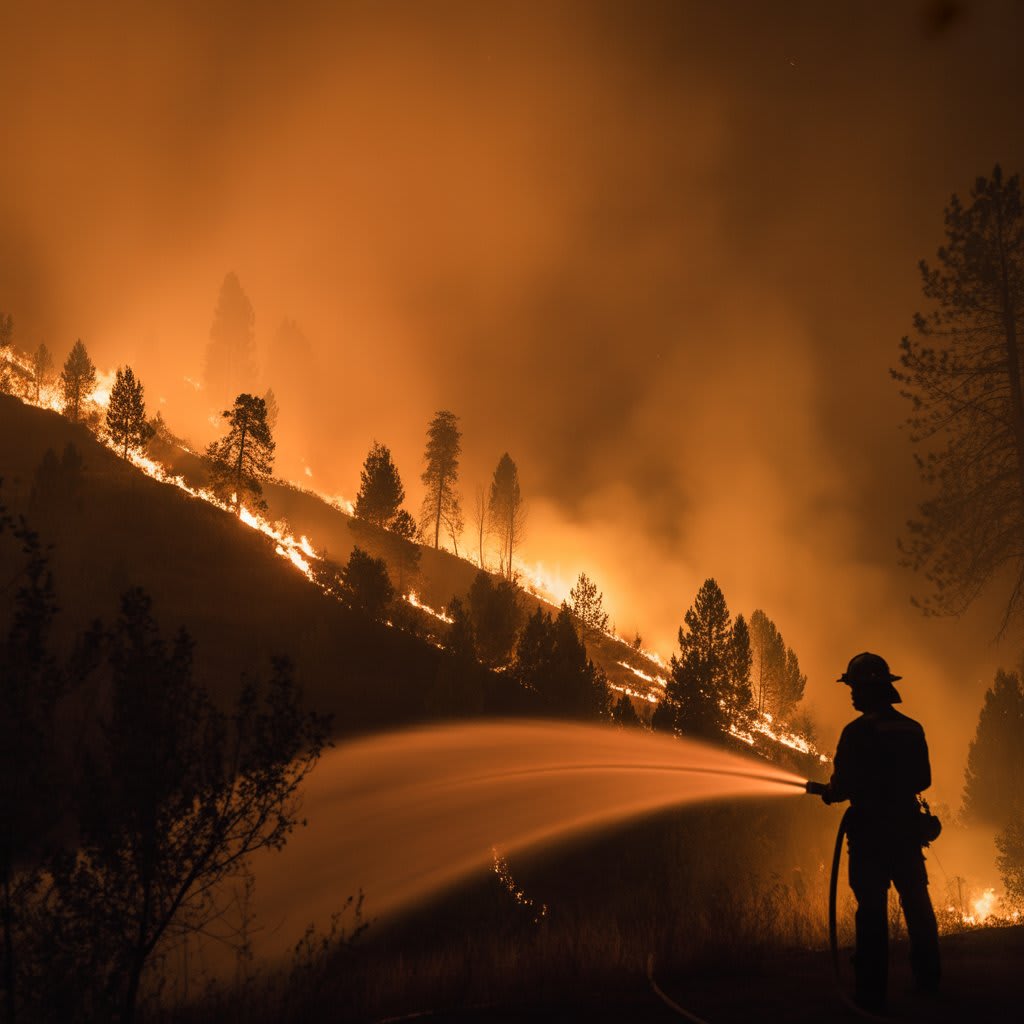
Every summer and fall, California braces for a familiar and terrifying enemy: wildfires. Fueled by dry heat, strong winds, and drought-stricken landscapes, these blazes sweep across the state, consuming forests, towns, and sometimes entire communities.
To outsiders, the flames may look like sudden disasters, but to Californians, wildfires have become a recurring reality—a cycle of destruction and resilience. From the deadly Camp Fire of 2018 to the record-breaking Dixie Fire of 2021, wildfires have reshaped landscapes, lives, and the way the state prepares for its future.
This is a story not only of fire’s fury but also of the courage of communities who refuse to be defined by loss.
Why California Burns
California’s geography makes it especially vulnerable to wildfires. The state’s Mediterranean climate brings long, hot summers followed by dry autumn winds, such as the Santa Ana and Diablo winds, which can turn a small spark into an unstoppable inferno.
Dense forests filled with decades of accumulated dry brush act as fuel, while sprawling development pushes homes deeper into fire-prone areas. Add climate change—longer droughts, hotter temperatures, and erratic rainfall—and the conditions for megafires become almost inevitable.
In short, fire is not a stranger to California; it’s a permanent resident.
When Flames Arrive
Wildfires move with frightening speed. In some cases, residents have only minutes to evacuate. Flames roar through canyons, leap across highways, and send embers raining miles ahead of the main blaze. The skies darken as thick smoke blots out the sun, turning day into an eerie twilight.
For those caught in the path, survival means quick decisions—grabbing family, pets, and a few essentials before racing away. Firefighters battle around the clock, often risking their lives to protect homes and save lives. Yet even the most advanced firefighting resources can be overwhelmed by the scale of California’s megafires.
The Human Toll
Wildfires leave behind more than blackened landscapes. Entire communities have been erased.
- The Camp Fire (2018) destroyed the town of Paradise, killing 85 people and leveling nearly 19,000 structures.
- The Tubbs Fire (2017) tore through Santa Rosa, displacing thousands and becoming, at the time, the most destructive fire in California history.
- The Dixie Fire (2021) burned nearly one million acres across five counties, making it the largest single (non-combined) fire in state history.
For survivors, the trauma lingers long after the flames are gone. Many face the heartbreak of losing homes, possessions, and even loved ones. Rebuilding can take years, and scars—both physical and emotional—last a lifetime.
Communities of Courage
Yet amid the ashes, stories of resilience emerge. Neighbors open their doors to evacuees, schools transform into shelters, and volunteers organize supply drives.
Firefighters are hailed as heroes, but so too are the everyday people who support recovery—nurses treating burns, teachers comforting displaced children, and local businesses donating food and clothing.
In Paradise, where the Camp Fire left little standing, residents have slowly returned, determined to rebuild. New houses rise on charred lots, designed with fire-resistant materials. Community leaders host remembrance ceremonies to honor lives lost, while also looking forward with hope.
Preparing for the Next Fire
After each disaster, California has sought new strategies to adapt. Among them:
Stronger Building Codes: Homes in fire-prone zones must now meet strict standards, including fire-resistant roofs and defensible space around properties.
Early Warning Systems: Advanced satellites and weather models help predict fire conditions, giving residents more time to prepare or evacuate.
Prescribed Burns: Controlled fires reduce excess vegetation, lowering the risk of uncontrollable wildfires.
Community Education: Programs teach residents how to create evacuation plans and safeguard their homes.
Despite these efforts, experts warn that no system is perfect. Preparedness may not prevent every disaster, but it can save lives.
The Role of Climate Change
Climate scientists caution that California’s wildfire problem will only worsen. Rising temperatures, prolonged droughts, and shrinking snowpacks create conditions ripe for fire. What once was a seasonal challenge has now become a year-round threat.
The state, however, is also leading in climate adaptation—investing in renewable energy, reforestation, and fire research. Wildfires may not disappear, but with science and policy, their impact can be reduced.
Living with Fire
For many Californians, wildfire is no longer an occasional event—it’s part of life. Communities have learned to live with the threat, balancing caution with resilience. Families keep emergency kits ready. Schools run fire drills alongside earthquake drills. Cities plan evacuation routes with precision.
What’s remarkable is not just the scale of destruction but the determination of survivors to rise again. Each fire season tests the spirit of California, and each season proves that resilience burns as brightly as the flames.
Conclusion
The story of California wildfires is not simply one of tragedy—it is one of strength, community, and adaptation. Flames may consume homes, but they cannot extinguish the will to rebuild. Smoke may darken the skies, but it cannot block the light of human resilience.
As the climate shifts and wildfires grow more frequent, California’s people continue to stand together, showing the world that while nature’s fury is fierce, the power of resilience is stronger.
About the Creator
Echoes of Life
I’m a storyteller and lifelong learner who writes about history, human experiences, animals, and motivational lessons that spark change. Through true stories, thoughtful advice, and reflections on life.
Keep reading
More stories from Echoes of Life and writers in History and other communities.
The Gold Rush: Dreams, Fortune, and Broken Promises
In January 1848, a carpenter named James W. Marshall made a discovery that would forever change the history of the American West. While working at Sutter’s Mill in Coloma, California, Marshall spotted shiny flakes glimmering in the riverbed. Word spread quickly, and soon the cry of “Gold!” echoed across the country and beyond.
By Echoes of Life4 months ago in History
Rajendra Chola I and the Conquest of the Ganga: A Monumental Feat in Indian History
Known as the “Gangaikonda Chola” (the Chola who conquered the Ganga), Rajendra transformed a South Indian maritime empire into a pan-Indian power whose influence stretched from the Indian Ocean to the heart of the subcontinent. This campaign was not merely a military raid but a bold statement of imperial ambition, strategic brilliance, and cultural confidence.
By Say the truth 3 days ago in History
THE GRAND EGYPTHION MUSEUM
Let’s be real for a second. When folks hear "museum," they often think of dusty halls, dry information, and that odd quiet where you feel like you're misbehaving just for breathing. But the Grand Egyptian Museum isn't like that. I really don't think that's it. It's not accurate at all. This just seems wrong. This place is really nice. Egypt really shows us that it made history, and it keeps on doing amazing things.
By Beshoy Zayerabout 4 hours ago in History




Comments
There are no comments for this story
Be the first to respond and start the conversation.