
Bridging the Gaps: Understanding the Rise and Fall of the Maya Civilization
Ancient Civilization

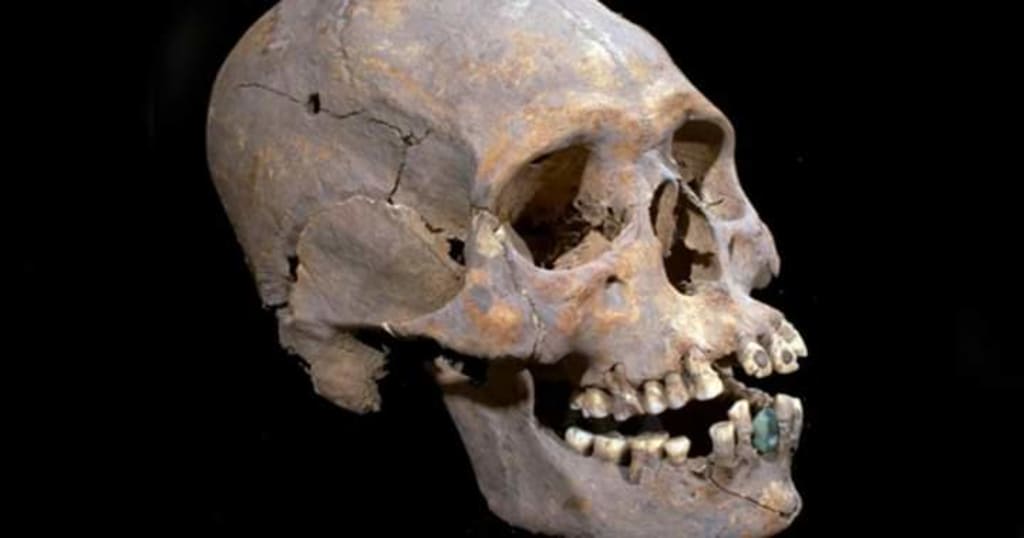
The Maya civilization, famed for its intricate art, towering pyramids, and advanced understanding of astronomy and mathematics, remains one of the most studied yet enigmatic cultures in human history. From their elaborate calendars to the practice of decorating teeth with jewels and gold, the Maya have left a legacy that continues to captivate scholars and enthusiasts alike. However, what’s equally fascinating is not just what the Maya accomplished but the mysteries surrounding the rise and fall of their civilization.
The Maya were not the first advanced society in Mesoamerica, nor were they the last. Their story is bookended by other influential cultures, such as the Olmec and Zapotec that preceded them and the Aztec that followed. These gaps in time and knowledge leave us wondering: How did such sophisticated civilizations reach their zenith only to decline, with their achievements becoming archaeological relics?
---
The Foundations: Civilizations That Paved the Way
Long before the Maya civilization emerged, Mesoamerica was home to other advanced cultures that laid the groundwork for their achievements. The Olmec, often regarded as the "mother culture" of Mesoamerica, flourished between 1500 and 400 BCE. Known for their colossal stone heads and sophisticated urban planning, the Olmec influenced the development of writing systems, religious practices, and artistic styles that the Maya would later adopt and refine.
Similarly, the Zapotec civilization, centered in the Oaxaca Valley, left a lasting imprint on Mesoamerican culture. The Zapotec developed one of the earliest known writing systems in the Americas and built Monte Albán, one of the region's first major urban centers. These innovations would resonate through the centuries, shaping the Maya's architectural and cultural endeavors.
The Maya didn’t arise in isolation. They inherited and built upon the intellectual and cultural achievements of these earlier societies, creating a civilization that surpassed its predecessors in scale and complexity.
---
The Peak of Maya Civilization
Between 250 and 900 CE, during the Classic Maya period, the civilization reached its height. City-states such as Tikal, Palenque, and Copán became centers of power and culture, connected by trade routes and shared ideologies. The Maya developed a writing system composed of glyphs, an advanced understanding of astronomy, and a mathematical system that included the concept of zero—centuries before its use in Europe.
Religion played a central role in Maya society. Their cosmology, deeply tied to celestial movements, was reflected in their architecture. Temples and pyramids were constructed with astonishing precision to align with astronomical events, such as equinoxes and solstices. These structures were not merely buildings but sacred spaces connecting the earthly realm to the divine.
One of the most striking aspects of Maya culture was their commitment to aesthetics. From intricate murals to the practice of embedding jewels into their teeth, the Maya expressed their identity and beliefs through art. Even the human body became a canvas for displaying status and spirituality.
---
The Mysterious Decline
Despite their remarkable achievements, the Classic Maya cities began to decline around the 9th century CE. This collapse has puzzled historians and archaeologists for generations. While the reasons remain debated, several factors likely contributed:
1. Environmental Stress: Prolonged droughts may have strained agricultural systems, leading to food shortages and societal unrest.
2. Overpopulation: The growing population may have outstripped the region’s resources, exacerbating environmental and social pressures.
3. Internal Conflict: Political fragmentation and warfare between city-states could have destabilized the civilization.
4. Cultural Shifts: Changes in trade routes and religious practices may have undermined the unity of the Maya world.
Whatever the combination of factors, the result was clear: the great cities were abandoned, and the Maya civilization as it had been known entered a period of decline.
---
After the Maya: New Civilizations, New Eras
The Maya's story didn’t end with the collapse of their Classic period. In the centuries that followed, the Postclassic Maya continued to thrive in regions like the Yucatán Peninsula. Cities such as Chichén Itzá and Mayapán rose to prominence, adapting to changing circumstances and influences from other Mesoamerican cultures.
By the time the Aztec Empire emerged in the 14th century, Mesoamerica had entered a new era. The Aztec, centered in Tenochtitlán (modern-day Mexico City), inherited and expanded upon the cultural and religious traditions of their predecessors, including the Maya. They practiced similar forms of sacrifice, revered a pantheon of gods, and built monumental architecture that rivaled anything the Maya had constructed.
However, the arrival of Spanish conquistadors in the early 16th century brought devastating consequences. Both the Maya and the Aztec faced the collapse of their remaining societies under the weight of European conquest, disease, and colonization.
---
Bridging the Gaps in Understanding
One of the great mysteries of history lies in the rise and fall of these civilizations. How could societies with such advanced knowledge and achievements collapse so completely that their cities became overgrown ruins?
The answer may lie in the fragility of human systems. Despite their sophistication, the Maya, Olmec, Zapotec, and Aztec were not immune to environmental, social, and political challenges. Their fates serve as cautionary tales about the balance between humanity and nature, and the dangers of overextension.
Today, archaeology and technology are helping to fill the gaps in our understanding. Lidar mapping has revealed hidden Maya cities beneath dense jungles, while studies of glyphs continue to unravel their complex history.
---
A Legacy That Endures
Despite the decline of these civilizations, their influence endures. The descendants of the Maya still live in Mexico, Guatemala, Belize, and Honduras, preserving elements of their ancestors’ language, traditions, and spirituality.
The story of the Maya and their predecessors reminds us of the interconnectedness of civilizations. Each culture builds upon the achievements of those that came before, creating a legacy that transcends time. Even as we study their ruins and artifacts, we are reminded that these ancient societies were vibrant and dynamic, leaving behind lessons and mysteries that continue to inspire us today.
About the Creator
Keep reading
More stories from Deji Akomolafe and writers in History and other communities.
The Parachute Jump: Coney Island’s Timeless Icon
Coney Island, long synonymous with the thrills of American amusement parks, boasts an array of iconic attractions that have shaped its history. Among these, the Steeplechase Parachute Jump stands out as a testament to innovation, nostalgia, and enduring architectural beauty. Built in 1939 and affectionately nicknamed "The Eiffel Tower of Brooklyn," this towering structure has cemented its place not only on the Coney Island skyline but also in the hearts of countless visitors.
By Deji Akomolafeabout a year ago in History
The Year 1989 in Review: Fun Facts, Trivia, and Historic Highlights
This quick read is a collection of fun facts, trivia, and historic events from the year 1989. Discover the year’s top news stories, most influential people, sports facts, entertainment trivia, and much more.
By Gregory DeVictor6 days ago in History




Comments
There are no comments for this story
Be the first to respond and start the conversation.