
The Parachute Jump: Coney Island’s Timeless Icon
Old parachute

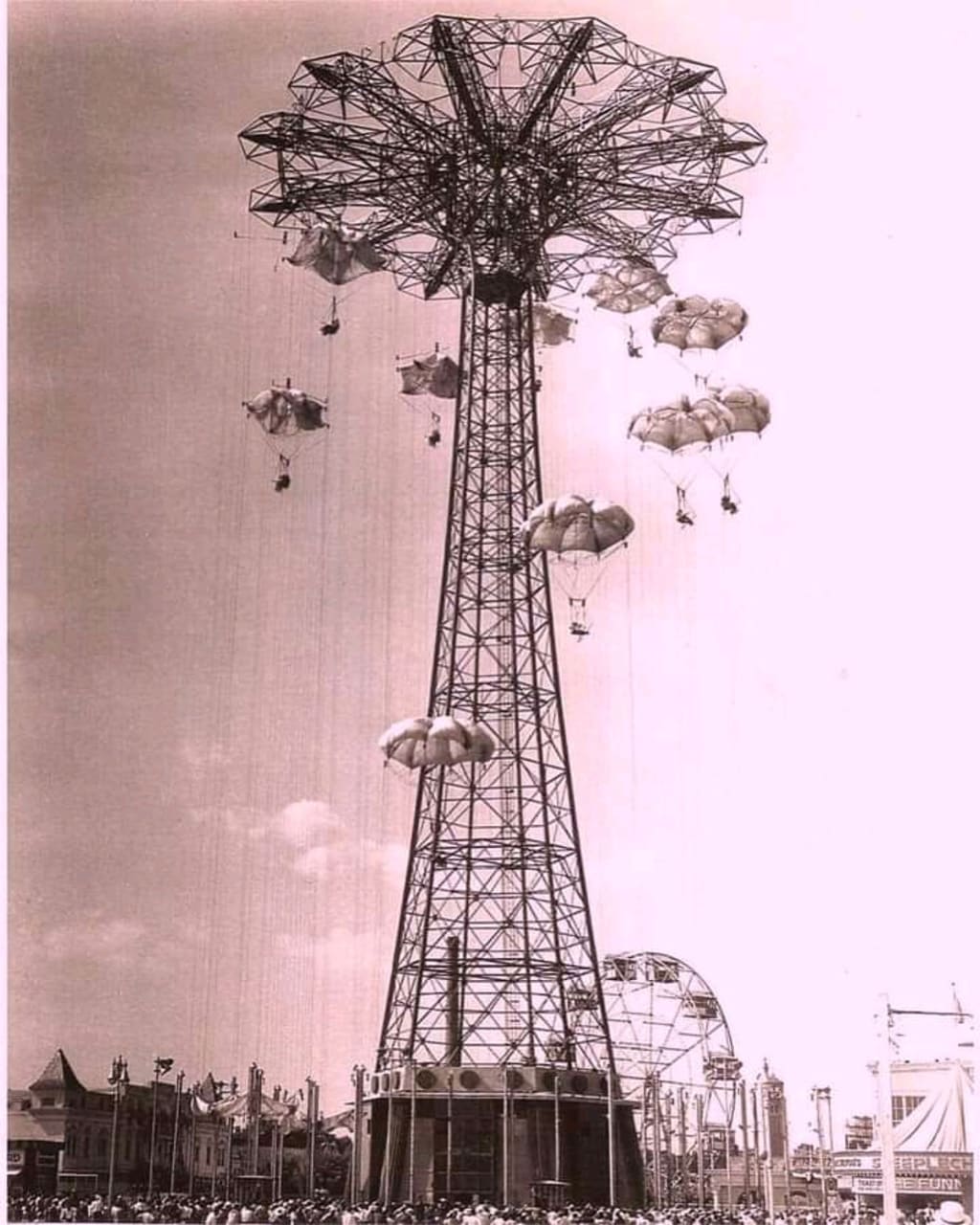
Coney Island, long synonymous with the thrills of American amusement parks, boasts an array of iconic attractions that have shaped its history. Among these, the Steeplechase Parachute Jump stands out as a testament to innovation, nostalgia, and enduring architectural beauty. Built in 1939 and affectionately nicknamed "The Eiffel Tower of Brooklyn," this towering structure has cemented its place not only on the Coney Island skyline but also in the hearts of countless visitors.
Though the ride itself closed in the 1960s, the Parachute Jump remains a symbol of Coney Island's golden age, a tangible link to a bygone era of amusement park splendor.
---
The Birth of the Parachute Jump
The Parachute Jump wasn’t initially intended to dazzle Coney Island’s thrill-seekers. It debuted at the 1939 New York World’s Fair in Flushing Meadows, Queens, as an innovative and daring attraction. Designed by James H. Strong, the ride was based on parachute training towers used by the military. Fairgoers would ascend to the top of the 250-foot tower before descending in parachute-like seats, tethered by cables to ensure safety.
Its blend of novelty and excitement captivated audiences, leading to its acquisition by the owners of Steeplechase Park in 1941. Relocated to Coney Island, the Parachute Jump became a centerpiece of the amusement park, drawing both adrenaline junkies and casual visitors eager to experience its gentle yet exhilarating descent.
---
A Ride Like No Other
The Parachute Jump was more than just a ride; it was an experience. Passengers were hoisted to the top of the tower in two-person seats, with nothing but open air between them and the ground. Once released, they would descend slowly, cushioned by parachutes as they glided downward.
Despite its initial popularity, the ride was not without its challenges. Strong winds could disrupt the descent, and some riders found the open-air design a bit too nerve-wracking. Still, the Parachute Jump offered a unique mix of thrill and spectacle that few other attractions could rival.
---
The End of an Era
By the 1960s, Coney Island had begun to decline, and Steeplechase Park—once the crown jewel of the area—closed its gates permanently in 1964. Along with the park, the Parachute Jump ceased operations. However, unlike other rides and structures that were demolished during the decline of Coney Island’s amusement parks, the Parachute Jump was spared.
Its towering frame remained a fixture of the skyline, even as it fell into disrepair. For decades, it stood as a poignant reminder of Coney Island’s golden age, its skeletal structure a mix of nostalgia and melancholy.
---
Landmark Status and Preservation
In 1989, the Parachute Jump was designated a New York City landmark, ensuring its preservation for generations to come. This designation was more than just a recognition of its historical importance; it was a commitment to honoring Coney Island’s legacy as a hub of innovation and entertainment.
Efforts to restore the structure began in the 1990s and continued into the early 2000s. The renovation process included reinforcing the steel frame, repainting the tower, and installing decorative lighting. While the ride itself was never reopened, these efforts transformed the Parachute Jump into a stunning visual centerpiece for the area.
Today, the tower stands as a beacon of history, its colorful LED lights illuminating the night sky and drawing visitors to Coney Island’s boardwalk.
---
The Parachute Jump’s Cultural Impact
The Parachute Jump holds a unique place in the cultural fabric of New York City. It has been featured in countless photographs, films, and works of art, symbolizing both the heyday of Coney Island and the resilience of its spirit.
For many, the Parachute Jump represents a time when amusement parks were more than just a collection of rides—they were places of wonder and escape. The structure’s endurance through decades of change is a testament to the nostalgia it inspires and the value of preserving such landmarks.
---
A Modern Symbol of Coney Island
While it no longer serves its original purpose, the Parachute Jump continues to draw admiration as a historical and architectural landmark. Visitors strolling along the Coney Island boardwalk often pause to marvel at its towering presence, a reminder of the ingenuity and imagination that defined the area’s amusement parks.
The structure has also become a symbol of Coney Island’s ongoing revival. New developments, attractions, and events have breathed fresh life into the area, with the Parachute Jump serving as a unifying link between past and present.
---
Conclusion
The Steeplechase Parachute Jump is more than just an old amusement park ride—it’s a monument to an era when Coney Island was the pinnacle of American leisure and entertainment. Its designation as a landmark ensures that its story will not fade into obscurity but will instead continue to inspire curiosity and admiration.
Whether seen as a nostalgic relic or a beacon of architectural beauty, the Parachute Jump remains an irreplaceable part of Coney Island’s identity. Its towering frame, lit up against the night sky, is a tribute to the ingenuity, daring, and joy that defined the golden age of amusement parks. For New Yorkers and visitors alike, it is a cherished reminder that some icons never lose their magic.
About the Creator
Keep reading
More stories from Deji Akomolafe and writers in History and other communities.
The Hidden Gem: Unveiling the Virgin Pool Beneath Carlsbad Caverns
Deep beneath the rugged landscapes of New Mexico lies a natural wonder so pristine and untouched, it seems almost otherworldly. Recently discovered 700 feet below the surface of Carlsbad Caverns National Park in Lechuguilla Cave, a glistening pool of water has come to light. What makes this discovery remarkable is that this “virgin” pool has never before been seen or touched by human hands, remaining isolated for hundreds of thousands of years.
By Deji Akomolafeabout a year ago in History
Seven Dials
Introduction Seven Dials is a famous and historic area located in London, England. It is found near Covent Garden, one of the busiest and most popular parts of the city. Seven Dials is known for its unique road design, rich history, old buildings, shops, cafés, and lively atmosphere. Today, it is a popular place for tourists and local people who enjoy culture, shopping, and history.
By Farhan Sayeda day ago in History
Julius Caesar: The Rise and Fall of a Legend
The Rise and Fall of Julius Caesar In the first century BCE, the Roman Republic stood as one of the most powerful states in the ancient world. Its armies conquered vast territories, its laws shaped civilizations, and its Senate governed through a delicate balance of tradition and authority. Into this complex political world was born Gaius Julius Caesar in 100 BCE—a man whose ambition, brilliance, and fate would forever change Roman history.
By The best writer 6 days ago in History



Comments
There are no comments for this story
Be the first to respond and start the conversation.