
'Black Don't Crack' Meaning
Learn what the expression 'Black Don't Crack' really mean.

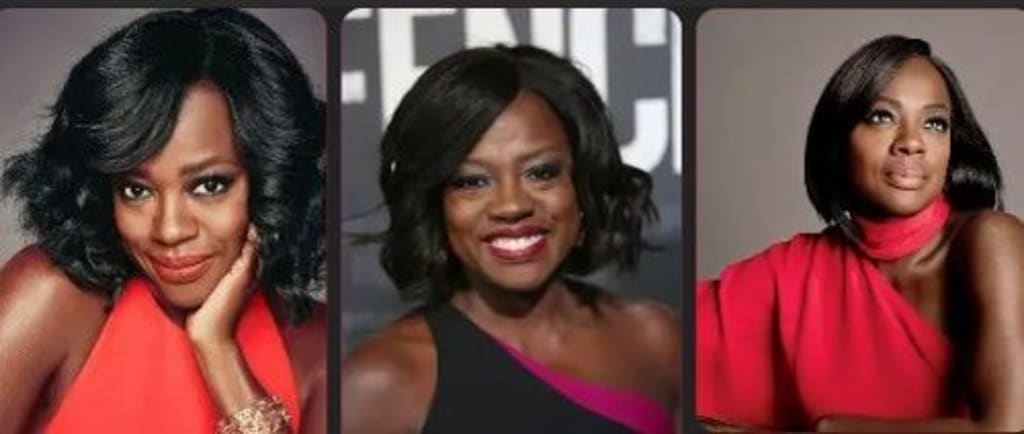
“Black don’t crack” is an African American cultural expression that celebrates how many Black people tend to age very well, often maintaining youthful-looking skin as they get older. This idiom implies that older dark people's skin is still smooth and free of wrinkles.
It's a compliment regarding Black skin's resilience, beauty, and youthful appearance. It acknowledges that melanin-rich skin is often less prone to visible signs of aging, like wrinkles and fine lines.
Not only that, but it’s also a phrase of cultural pride, affirming beauty and strength in the face of stereotypes or negative narratives about Black appearance.
The phrase has become a way of saying:
“Black beauty endures. Features, presence, and dignity don’t fade.”

How 'Black Don't Crack' Is Used
“Black don’t crack” is one of those expressions that carries history, pride, humor, and even a bit of resistance all at once.
People might say it playfully, admiringly, or proudly when someone looks younger than their age.
Example: “She’s 70? Wow—Black don’t crack!”
The exact origin isn’t known, but it is from African American vernacular in the late 20th century. It emerged in the same cultural stream as:
- “Say it loud, I’m Black, and I’m proud.”
- “Black is beautiful.”
These weren’t just sayings — they were cultural counterweights to centuries of negative stereotypes about Black appearance. “Black don’t crack” became a way of reclaiming beauty, dignity, and joy.

Black people don’t use the phrase as a science lesson. They use it as a celebration.

Why It Matters Culturally
It’s a way of saying:
- Our beauty endures.
- We age with grace.
- We carry resilience in our skin.
- It’s also a subtle nod to the fact that Black people have historically been scrutinized, judged, or devalued for their appearance. So the phrase becomes a kind of joyful defiance.
How the Expression is Used
- When someone looks younger than their age
- When a celebrity reveals they’re older than people assumed
- When Black people say it to other Black people when they age
- When someone posts a birthday photo, and the comments section erupts
- When it’s playful, proud, and affirming
How It Shows Up on Social Media
Celebrities like Angela Bassett, Pharrell Williams, Viola Davis, and Gabrielle Union frequently get the “Black don’t crack” treatment in interviews or social media comments. It’s become a shorthand for “ageless Black excellence.”

The Deeper Layer: Endurance
- Black people have endured so much historically.
- The phrase says: our joy, our beauty, our presence — they don’t fade.
- It’s a small phrase with a big soul.
The phrase “Black don’t crack” honors its cultural roots.
“Black Don't Crack” is “Beauty That Endures”
The phrase is often spoken with laughter, pride, and a nod in Black communities. On the surface, it’s about the way melanin-rich faces typically hold their glow in older Black women and men. Beneath the humor is a testimony of endurance.

The truth is, it’s not just skin that doesn’t crack. It’s spirit. It’s hope. It’s the quiet resilience carried through generations, who learned to shine even when the world tried to dim their light.
Takeaways From This Article
- There is nothing negative about the expression. Usually, it is a compliment.
- The idiomatic phrase implies that Black people's dark skin is smooth and free of wrinkles.
- The expression also refers to the strength, durability, and endurance of Black people who have suffered in the past.
- “Black don't crack” applies to both women and men.
- Saying “Black don't crack” instead of “Black doesn't crack” is for dramatic emphasis.
About the Creator
Margaret Minnicks
Margaret Minnicks has a bachelor's degree in English. She is an ordained minister with two master's degrees in theology and Christian education. She has been an online writer for over 15 years. Thanks for reading and sending TIPS her way.
Keep reading
More stories from Margaret Minnicks and writers in History and other communities.
Gardens in the Bible
There are many places in the Bible, including gardens. It is no accident that the very first place in the Bible is a garden, the home of the first man and the first woman. It is also no accident that the very first question in the Bible is one asked by God.
By Margaret Minnicks3 months ago in History



Comments
There are no comments for this story
Be the first to respond and start the conversation.