
Unearthing Glory: The Golden Wreath Athlete of Ancient Lato
Ancient Greece

Unearthing Glory: The Golden Wreath Athlete of Ancient Lato
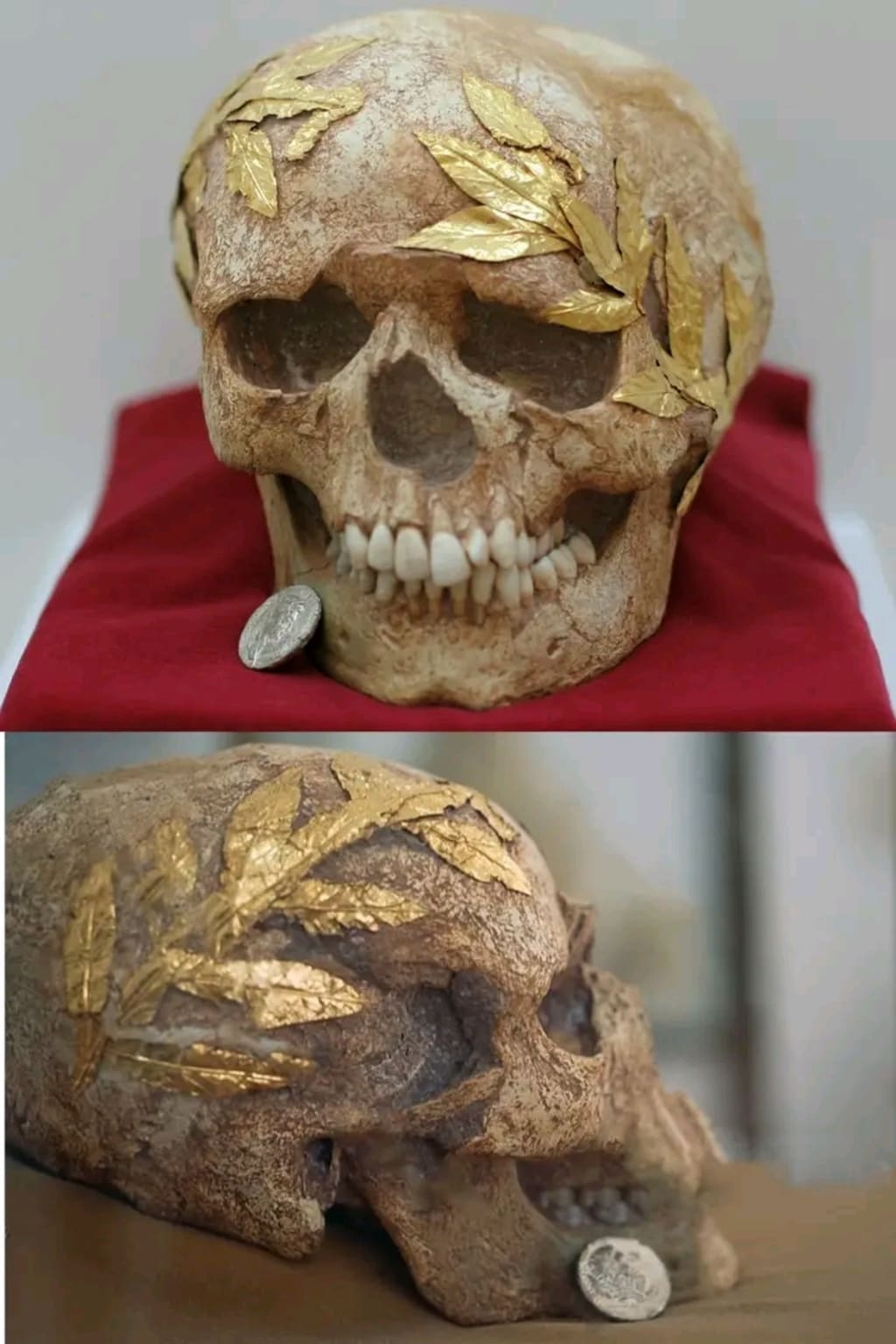
Nestled in the heart of modern-day Agios Nikolaos, Crete, lies the ancient city of Lato, a testament to Greece's rich historical and cultural tapestry. Among its most fascinating archaeological discoveries is the skull of a young athlete, adorned with a golden laurel wreath and dating back to the 1st century AD. Unearthed during an excavation, this remarkable artifact now resides in the Archaeological Museum of Agios Nikolaos, offering a poignant glimpse into the ancient world.
This discovery is more than just an archaeological treasure; it is a powerful symbol of athletic achievement, social status, and the enduring legacy of ancient Greek culture.
Lato: A Window into the Past
Lato was an important city-state in ancient Crete, flourishing during the Classical and Hellenistic periods. Perched on a hillside overlooking the Gulf of Mirabello, its strategic location made it a hub for trade, governance, and cultural exchange. While much of Lato's prominence predates the Roman conquest, the city retained its significance into the 1st century AD, when the golden wreath was created.
The city was named after the goddess Leto (Latona in Roman mythology), the mother of Apollo and Artemis, further underscoring its connection to mythology and divine favor. Today, the ruins of Lato, with their well-preserved agora, temples, and fortifications, remain a popular site for visitors seeking to connect with Greece’s ancient past.
The Discovery of the Golden Wreath Athlete
The skull, crowned with its golden laurel wreath, was unearthed during excavations in the vicinity of ancient Lato. The wreath’s intricate design and fine craftsmanship suggest it was a prestigious item, likely awarded to honor the young individual’s athletic accomplishments.
Golden laurel wreaths were not mere ornaments; they symbolized excellence, victory, and divine favor. In ancient Greece, victorious athletes in the Olympic Games and other Panhellenic competitions were often crowned with laurel wreaths made from the sacred bay tree, a plant associated with Apollo, the god of music, prophecy, and athletic prowess.
The fact that this wreath was crafted from gold elevates its significance. Such artifacts were reserved for individuals of great importance, such as athletes, military heroes, or prominent citizens. Its presence in a burial context suggests that the individual was highly esteemed, their achievements immortalized through this opulent offering.
Athletics and Honor in Ancient Greece
Athletics were central to ancient Greek culture, symbolizing physical excellence, discipline, and a connection to the divine. Competitions were held not only to showcase individual prowess but also to honor the gods. Victors were celebrated with processions, songs, and eternal glory.
The young athlete buried with the golden wreath likely participated in such competitions, earning their place among the elite of their society. Their burial with this prestigious item reflects the high regard in which they were held, not only for their athletic abilities but also for the virtues of courage, perseverance, and honor that they embodied.
The Golden Laurel Wreath: Craftsmanship and Symbolism
The golden laurel wreath found in Lato is a masterpiece of ancient craftsmanship. Made from thin sheets of gold, it replicates the delicate leaves and branches of a real laurel tree, capturing both the aesthetic beauty and symbolic significance of the plant.
The laurel was sacred to Apollo, whose association with prophecy, music, and athletic achievement made him a central figure in Greek culture. By wearing a laurel wreath, athletes aligned themselves with Apollo’s divine qualities, embodying not just physical strength but also intellectual and spiritual excellence.
In funerary contexts, such wreaths were not merely decorative. They signified the deceased’s connection to the gods and their enduring legacy. For the young athlete buried in Lato, the wreath served as a symbol of their earthly achievements and a token of immortality.
Preserving History: The Archaeological Museum of Agios Nikolaos
Today, the skull and its golden wreath are among the most treasured exhibits at the Archaeological Museum of Agios Nikolaos. The museum, renowned for its extensive collection of Minoan, Classical, and Roman artifacts, provides visitors with a comprehensive look at Crete’s ancient history.
The golden wreath stands as a centerpiece, drawing visitors from around the world to marvel at its beauty and historical significance. Accompanied by other artifacts from the same period, it offers invaluable insights into the cultural and social fabric of ancient Crete.
Through careful preservation and display, the museum ensures that the story of the young athlete—and the values they represented—continues to inspire future generations.
The Legacy of the Golden Wreath Athlete
The discovery of the golden wreath and the skull of the young athlete serves as a poignant reminder of the timeless pursuit of excellence. In ancient Greece, athletic competitions were more than games—they were acts of devotion, expressions of identity, and celebrations of human potential.
This artifact bridges the gap between the ancient and modern worlds, connecting us to a time when individuals strove for greatness in service of their communities and the divine. The young athlete of Lato, crowned with gold, stands as a symbol of resilience, ambition, and the enduring human spirit.
Conclusion
The golden wreath athlete of Lato is more than an archaeological marvel; it is a story of triumph, honor, and cultural heritage. From the bustling agora of ancient Lato to the halls of the Archaeological Museum of Agios Nikolaos, this artifact continues to captivate and inspire.
As we study and celebrate such discoveries, we are reminded of the universal human desire to leave a mark—to achieve something extraordinary and to be remembered. The young athlete, crowned with gold, achieved just that, their legacy shining brightly through the centuries.
About the Creator
Keep reading
More stories from Deji Akomolafe and writers in History and other communities.
Footprints Through Time: The Story of Humanity’s Oldest Evidence in the Americas
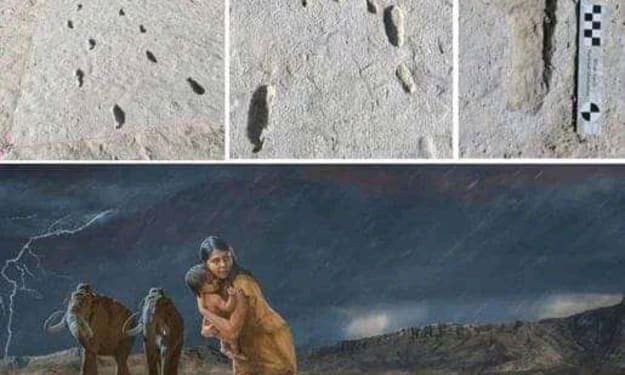
Around 22,000 to 23,000 years ago, during the peak of the Ice Age, a young woman embarked on a perilous journey across the shores of Lake Otero, an expansive ancient lake in what is now White Sands National Park in New Mexico. Accompanied at times by a toddler, she made two journeys separated by several hours, leaving behind a trail of footprints that would endure through millennia. These footprints, spanning 1.5 kilometers and comprising over 400 individual impressions, stand as the oldest known evidence of human presence in the Americas.
By Deji Akomolafeabout a year ago in History
The Quiet Name on Maple Street
Kim Jong-un was born into a world unlike almost any other—a world sealed by borders, ideology, and secrecy. As the grandson of Kim Il-sung, the founder of North Korea, and the son of Kim Jong-il, the country’s second leader, Kim Jong-un entered life already wrapped in destiny. In North Korea, leadership is not chosen by ballots or debate; it is inherited like a crown, reinforced by loyalty, fear, and an unyielding political system.
By The best writer a day ago in History



Comments
There are no comments for this story
Be the first to respond and start the conversation.