
Beethoven's Symphony No. 9: A Musical Testament to Resilience
The titan
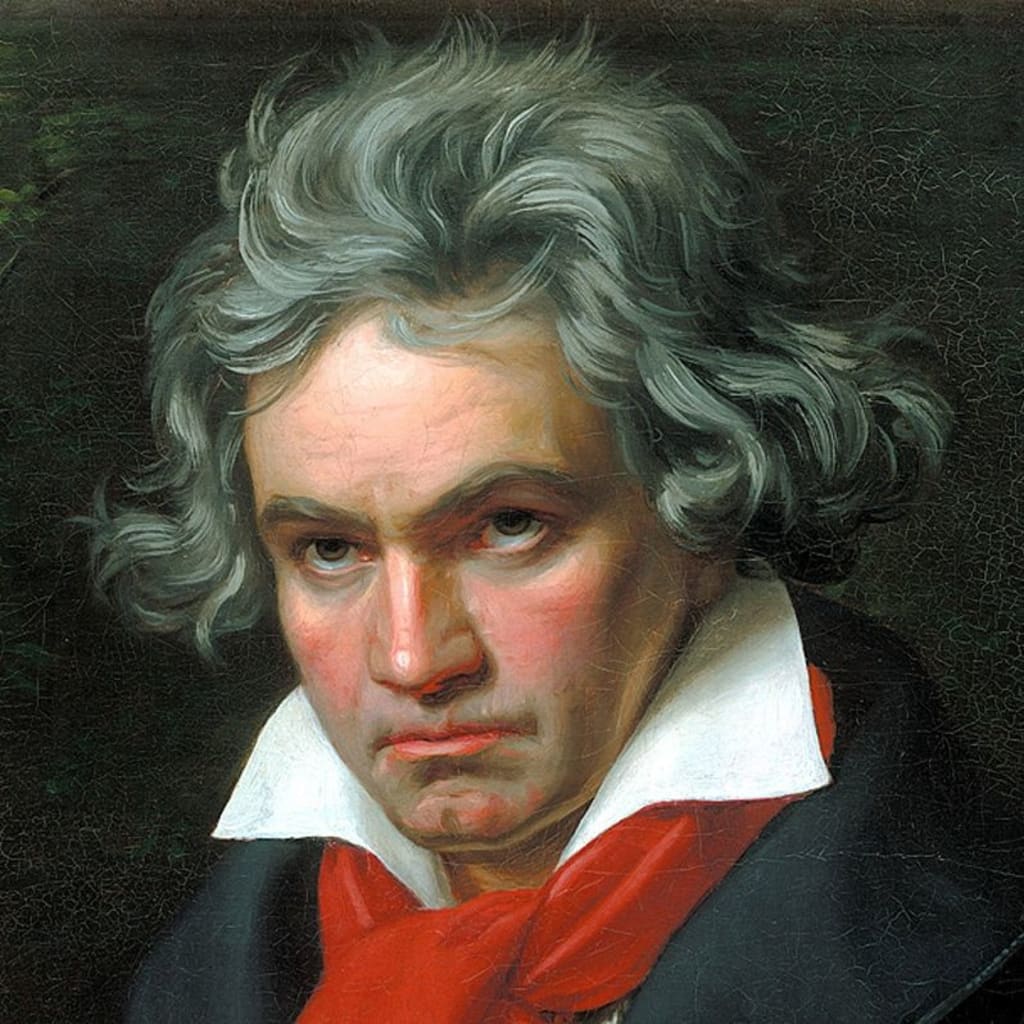
Short Description:
Ludwig van Beethoven (1770-1827) was a prolific composer and pianist whose music transformed the landscape of classical music. Born in Bonn, Germany, Beethoven displayed exceptional talent from a young age and received early recognition as a virtuoso pianist. As his career blossomed, he confronted the tragic reality of progressive hearing loss, which ultimately left him deaf. Despite this immense challenge, Beethoven continued to compose groundbreaking works, pushing the boundaries of musical expression. His compositions, ranging from symphonies to sonatas, are known for their emotional depth, innovative structures, and timeless beauty, solidifying Beethoven as one of the greatest composers in history.
In the annals of music history, there stands an extraordinary tale of resilience and artistic triumph. Ludwig van Beethoven, a renowned composer of the 18th century, faced a daunting obstacle that would have shattered the dreams of most: he progressively lost his hearing. However, instead of succumbing to despair, Beethoven defied the silence that enveloped him and crafted his magnum opus - the Ninth Symphony. This remarkable symphony stands as a testament to the indomitable spirit of an artist who refused to let deafness extinguish his creative fire.
As Beethoven's hearing gradually faded, he found solace in his internal hearing - the ability to hear the music within his mind's ear. Undeterred by the absence of external sounds, he delved into the depths of his imagination, visualizing melodies, harmonies, and the majestic sweep of orchestral arrangements. His musical memory became his guiding light, enabling him to recall intricate compositions from the recesses of his soul.
To overcome the challenges posed by his deafness, Beethoven relied on the support of collaborators, copyists, and trusted friends. Through their assistance, he was able to understand the practical aspects of his compositions and ensure their accurate realization. These collaborators not only helped him transcribe his ideas onto paper but also provided valuable feedback, refining the symphony and allowing it to blossom.
Communication posed a unique challenge for Beethoven, as verbal exchanges became increasingly difficult. Undeterred, he turned to conversation books - a written medium where he engaged in discussions with friends and visitors. These invaluable notebooks became a lifeline, allowing him to express his musical concepts, discuss ideas, and receive crucial input. Through this written dialogue, Beethoven's artistic vision was refined, his music evolving into a profound expression of human emotion.
When the moment arrived to present his Ninth Symphony to the world, Beethoven took to the conductor's podium, facing the orchestra with determination. Although unable to hear the music he had painstakingly composed, he conducted with unwavering passion and energy. His gestures communicated his vision, guiding the musicians with precision and fervor. Through the sheer force of his spirit, Beethoven transcended his deafness and breathed life into his symphony.
The Ninth Symphony, with its awe-inspiring melodies and profound message of unity, became a masterpiece that defied the limits imposed by silence. Its resounding beauty touched the hearts of all who heard it, leaving an indelible mark on the world of classical music. Beethoven's deafness became an instrument through which he forged an unparalleled connection with the human spirit, inspiring generations to come.
Ludwig van Beethoven's Ninth Symphony stands as a testament to the unyielding spirit of an artist who refused to be silenced by adversity. Deafness, far from being a barrier, became the catalyst for his most profound composition. Through internal hearing, collaboration, written communication, and the sheer force of his will, Beethoven crafted a symphony that speaks to the essence of human emotion. The Ninth Symphony remains an enduring testament to the power of creativity, resilience, and the enduring legacy of one man's triumph over silence.
About the Creator
Keep reading
More stories from writers in History and other communities.
The Titanic Mystery: Secrets Beneath the Frozen Sea
On the night of April 14, 1912, the RMS Titanic sailed calmly through the dark waters of the North Atlantic, carrying more than 2,200 souls and the dreams of a modern world that believed it had conquered nature. Labeled “unsinkable,” the Titanic was the pride of human engineering. Yet before dawn broke, the great ship lay shattered beneath miles of icy ocean. More than a century later, the Titanic remains not just a tragedy—but a mystery filled with unanswered questions.
By The best writer 4 days ago in History
How to Succeed at the Benson Directory®
Congratulations and welcome to the Benson Directory® employee #22391! As our newest call handler, you will have the privilege of speaking with dozens of unique and interesting people on a daily basis as well as the opportunity to earn bonuses for high performance. Contained within this handbook you will find a set of ease to follow instructions designed to help you settle in to your new role and begin paving the way to success.
By S. A. Crawfordabout 20 hours ago in Fiction
The Devil's Cut
“Comrade, finally you’re awake.” The voice was smooth, sensual. A flickering incandescent bar was all that lit the white, sterile room. All Vladimir remembered was everything going black. He tried to move his arms and found them strapped to the gurney.
By Matthew J. Fromm4 days ago in Fiction




Comments
There are no comments for this story
Be the first to respond and start the conversation.