
Baroque Beauty in Blooming Historic Gardens.
Exploring timeless Baroque architecture amid vibrant trees and flowers.
The Timeless Elegance of Baroque Architecture in Historic Gardens
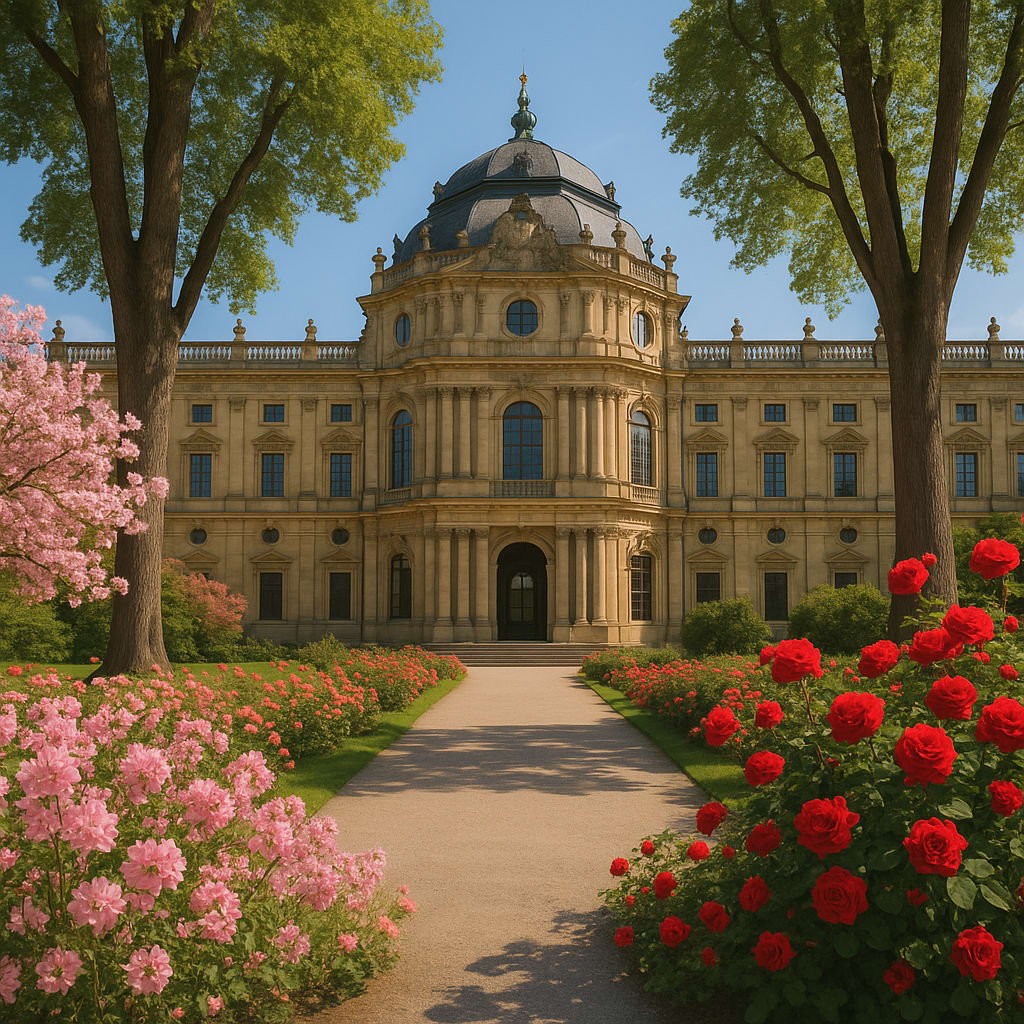
Architecture is often described as frozen music, and nowhere is that symphony more profound than in the grandeur of Baroque buildings nestled within nature’s tranquil embrace. The image of a historic Baroque-style building surrounded by blooming roses, cherry blossoms, and towering trees offers a vivid snapshot of a time when art, architecture, and landscape design harmonized to express power, beauty, and divinity.
Baroque architecture, flourishing in Europe during the 17th and early 18th centuries, emerged as a dramatic departure from the more restrained Renaissance style. Characterized by grandeur, bold ornamentation, and fluidity of form, Baroque buildings were designed to awe and inspire. They featured massive columns, elaborate cornices, dramatic staircases, and often a central dome that gave the illusion of reaching toward the heavens. These structures were not merely buildings—they were theatrical statements, each façade a canvas for divine storytelling.
The building in the image captures this essence perfectly. The symmetrical façade, complete with Corinthian columns and a central dome, echoes the ambition of its era. Such buildings often served as royal palaces, government institutions, or religious centers, designed to manifest the wealth and authority of their patrons. The intricate stonework and architectural detailing present in the structure are not just decorative; they tell a story of an age that valued craftsmanship, symbolism, and spectacle.
But what elevates this historical edifice to something truly magical is its setting. The long, clean path leading up to the entrance is framed by lush greenery and vibrant flowers—a landscape not chosen by chance. During the Baroque period, landscape architecture became an extension of the building itself. Inspired by French formal gardens, like those of Versailles, these grounds were designed with precision and purpose. They served both aesthetic and symbolic roles, embodying control over nature and offering visual continuity between the structure and its environment.
The presence of cherry blossoms and rose bushes in the image provides a particularly poetic contrast. Cherry blossoms, with their ephemeral beauty, symbolize the fleeting nature of life—a concept deeply explored in art and philosophy. Roses, often associated with love and passion, add emotional depth to the otherwise rigid symmetry of the Baroque style. The integration of these elements into the landscape design reflects a keen awareness of nature’s rhythms and an attempt to blend permanence with impermanence, structure with spontaneity.
Trees also play a crucial role in the scene. Their tall, elegant trunks frame the building and provide vertical balance to the horizontal spread of the garden and the solid mass of the building. Trees in Baroque gardens were often planted in geometric patterns or used as natural corridors guiding the viewer’s gaze toward architectural focal points. Here, they act as natural columns complementing their stone counterparts, reinforcing a sense of order and unity.
The entire composition—architecture, flora, and pathway—reflects a deep understanding of spatial design. It’s not merely a display of wealth or aesthetics; it’s a philosophical statement. Baroque landscapes often aimed to replicate the divine order of the cosmos, and the integration of natural elements was meant to symbolize humanity’s place within the universe. Walking down the flower-lined path toward the majestic entrance, one might feel a sense of pilgrimage or transformation, echoing the spiritual undertones of the period.
Preserving such historical sites is essential not only for their artistic and cultural value but also for their ecological and educational importance. Historic gardens serve as living museums, showcasing plant species, horticultural techniques, and ecological practices from past centuries. Moreover, these spaces offer refuge in the modern world—a place to reflect, learn, and connect with both history and nature.
In the contemporary context, integrating nature with architecture has gained renewed relevance. Urban planners and architects are increasingly inspired by historical models like Baroque gardens to create sustainable, human-centered environments. The principles that governed Baroque design—balance, harmony, and reverence for nature—remain timeless and can inform the development of modern public spaces, green infrastructure, and urban sanctuaries.
Furthermore, such historic buildings and their gardens play a vital role in tourism and local economies. They attract visitors who seek cultural enrichment and aesthetic pleasure, promoting heritage conservation and community engagement. Restoration projects, educational tours, and cultural events held at these sites help bridge the gap between past and present, making history accessible and relevant to new generations.
In conclusion, the image of a Baroque-style building surrounded by flowers and trees is more than a beautiful scene—it’s a gateway into a rich cultural tradition that revered beauty, nature, and the divine order. As we continue to navigate the complexities of the modern world, revisiting these harmonious designs reminds us of the enduring value of integrating art, architecture, and landscape into a unified vision of human achievement.
About the Creator
Keep reading
More stories from Mukhtiar Ahmad and writers in History and other communities.
Echoes of Time in Towered Valley
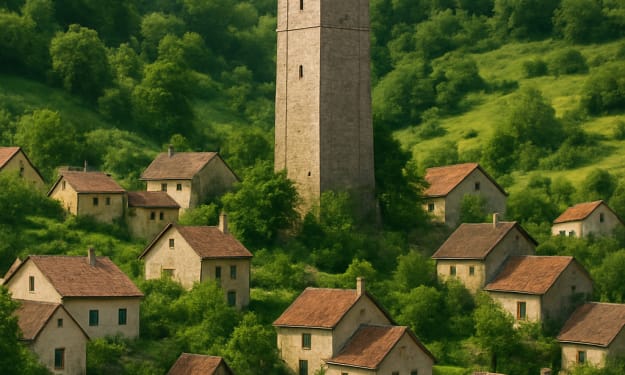
Whispers of Time: The Tower and the Green Village Tucked into the lush folds of rolling green hills, there lies a village that seems almost lost in time. With its rustic cottages crowned with red-tiled roofs and surrounded by vibrant vegetation, the village is a living postcard of old-world charm. But standing sentinel at its heart is the true marvel of this pastoral haven—a towering stone bell tower that pierces the sky, echoing tales of centuries past.
By Mukhtiar Ahmad10 months ago in History
The Year 2017 in Review: Fun Facts, Trivia, and Historic Highlights
This quick read is a collection of fun facts, trivia, and historical events from the year 2017. Discover the year’s top news stories, most influential people, sports facts, computer and Internet news, entertainment trivia, and much more.
By Gregory DeVictor2 days ago in History
Bomb Scare
It was 2027, and the world never thought it would happen. A missle hit the United States, but it wasn't where they had anticipated. A little town in the northeast was hit by a missile strike, they didn't know why, and they didn't know exactly where it hit, but they did know it was a coastal community, somewhere between Maine and Delaware.
By Gregory Payton7 days ago in Fiction



Comments
There are no comments for this story
Be the first to respond and start the conversation.