
Baiae: The Sunken City of Roman Splendor
Ancient Rome

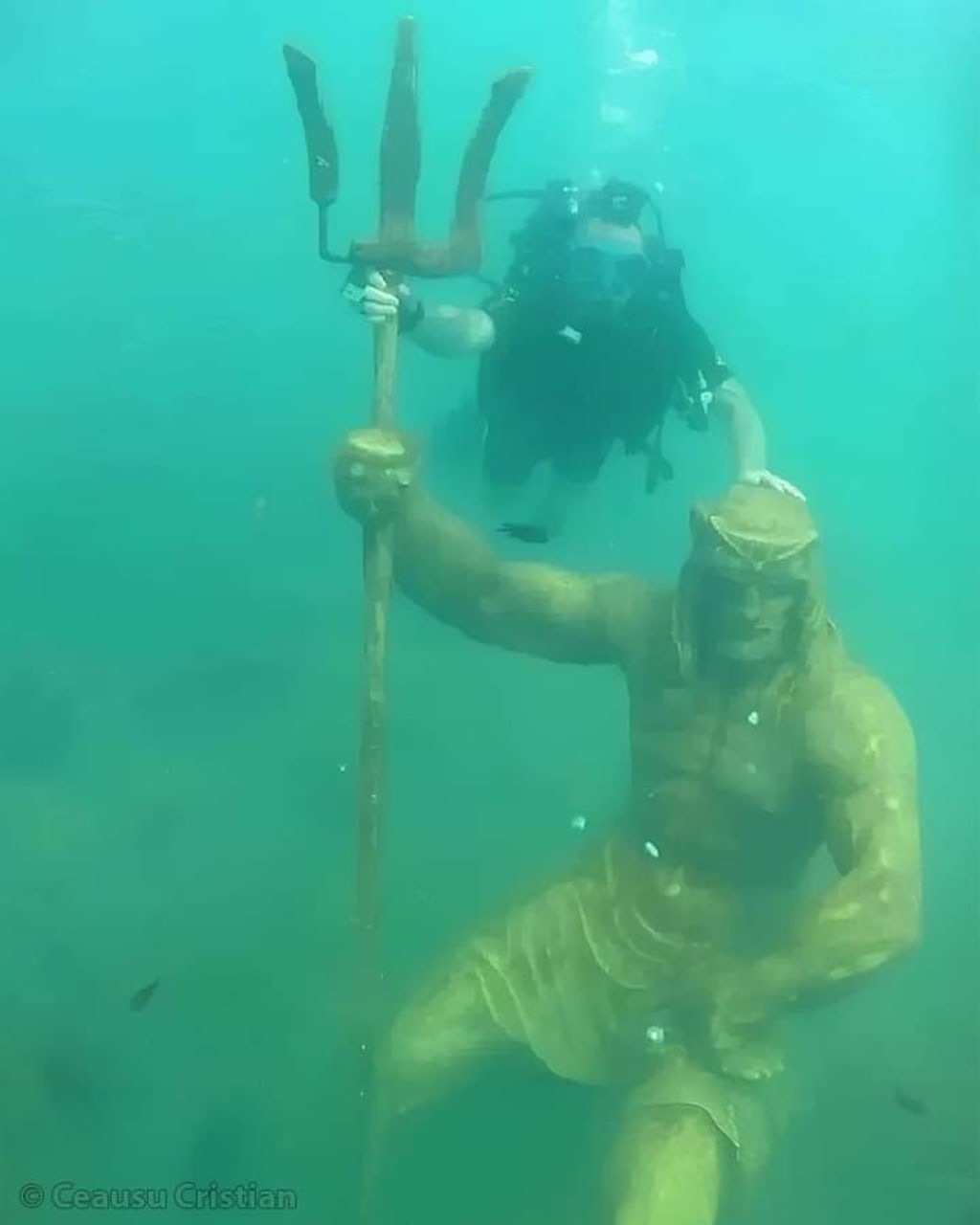
Off the western coast of Italy, beneath the azure waters of the Tyrrhenian Sea, lies a submerged treasure—a testament to the lavish lifestyle and opulence of ancient Rome. Baiae, once a playground for Roman elites including Julius Caesar, Nero, and Hadrian, was renowned for its luxurious villas, thermal baths, and temples. This sunken city, hidden for over 1,700 years following the eruption of Mount Vesuvius in 79 AD, offers a captivating glimpse into the grandeur and indulgence of Roman society.
A Retreat for Roman Elites
In its prime, Baiae was more than just a coastal resort; it was a symbol of wealth and power. Located near Naples in the Bay of Naples, Baiae boasted a mild climate, natural hot springs, and stunning views of the Mediterranean—a perfect setting for the leisure pursuits of Rome’s elite. Emperors, senators, and wealthy patricians flocked to Baiae to escape the hustle and bustle of Rome, seeking relaxation, entertainment, and social connections.
The city’s allure extended beyond its natural beauty. Baiae was adorned with luxurious villas, adorned with frescoes, marble statues, and intricate gardens. Thermal baths fed by natural hot springs offered therapeutic benefits and social opportunities, where political alliances were forged and intrigues unfolded. Baiae was not only a retreat but also a place of political maneuvering and cultural exchange, where the elite displayed their wealth and influence.
Cultural and Historical Significance
Baiae’s significance in Roman history is underscored by its association with prominent figures of the era. Pliny the Younger, a notable Roman writer and administrator, maintained a villa in Baiae and documented its splendor in his letters. The city’s popularity peaked during the first centuries AD, reaching its zenith under Emperor Hadrian, who expanded and embellished Baiae’s infrastructure, including its renowned imperial villa.
The eruption of Mount Vesuvius in 79 AD, which famously destroyed Pompeii and Herculaneum, also affected Baiae. While not as catastrophically devastated as its nearby neighbors, Baiae experienced seismic activity and gradual subsidence, causing portions of the city to sink below the sea level over time. The gradual submergence, coupled with centuries of geological changes, transformed Baiae from a bustling resort city into an underwater archaeological marvel.
Rediscovery and Archaeological Exploration
Baiae’s submerged ruins were rediscovered in the 20th century, sparking renewed interest in its history and architecture. Archaeological expeditions have unearthed and studied remnants of Baiae’s grandeur, revealing intricate mosaics, marble columns, and remnants of opulent villas and temples. These discoveries have provided valuable insights into Roman urban planning, architectural techniques, and the daily lives of its affluent inhabitants.
One of the most significant discoveries in Baiae is the Villa Protiro, an imperial residence believed to have belonged to Emperor Claudius. The villa’s luxurious design and extensive thermal complex exemplify the wealth and sophistication of Roman aristocracy. Excavations have revealed terraces overlooking the sea, elaborate frescoes depicting mythological scenes, and intricate hydraulic systems that regulated the flow of water throughout the complex.
Preservation and Tourism
Today, Baiae continues to fascinate archaeologists, historians, and tourists alike. The sunken city’s preservation beneath the sea has protected its ruins from centuries of terrestrial decay, offering a remarkably well-preserved snapshot of Roman life. Protected marine parks and conservation efforts ensure that Baiae’s underwater treasures remain accessible for scientific study and cultural appreciation.
Visitors to Baiae can explore its submerged ruins through snorkeling, scuba diving, or glass-bottom boat tours, marveling at the ancient streets, submerged columns, and remnants of once-grand villas. The experience of discovering Baiae’s underwater world is akin to stepping back in time, where the echoes of Roman voices and the whispers of history resonate through the sunlit waters.
Conclusion: Baiae’s Enduring Legacy
Baiae stands as a poignant reminder of the heights of Roman luxury and the impermanence of human achievements. Once a vibrant hub of Roman society, it now lies beneath the waves, its opulent villas and grand temples preserved in an aquatic embrace. The sunken city of Baiae invites us to contemplate the passage of time and the resilience of cultural heritage, offering a profound connection to the past and the enduring allure of ancient Rome.
As the waters of the Tyrrhenian Sea gently lap against its submerged ruins, Baiae continues to captivate and inspire, beckoning adventurers and historians to explore its hidden depths. Its story, from imperial retreat to archaeological marvel, serves as a testament to the enduring legacy of one of history’s greatest civilizations—a legacy that remains eternally preserved beneath the waves of time.
About the Creator
Keep reading
More stories from Deji Akomolafe and writers in History and other communities.
The Arch of Titus: A Monument of Triumph and Legacy in Ancient Rome
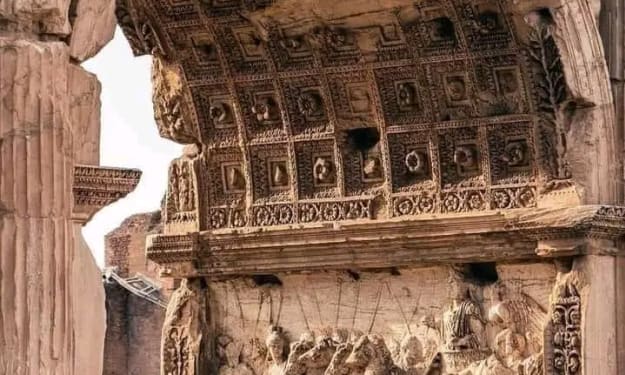
In the heart of ancient Rome, near the towering Colosseum, stands an enduring symbol of Roman power and architectural brilliance: the Arch of Titus. Constructed in 81 AD after the death of Emperor Titus, this monument commemorates one of Rome's most significant military victories—the conquest of Jerusalem in 70 AD. Built by the Roman Senate and Emperor Domitian, Titus' younger brother, the arch celebrates the achievements of the late emperor and immortalizes his legacy within the history of the Roman Empire.
By Deji Akomolafeabout a year ago in History
3 Completely Innocent Decisions That Ended Very Badly
Most disasters don’t begin with villainous laughter or ominous music. They begin with someone making a perfectly reasonable decision. Sensible, even. The kind of choice you’d defend confidently if questioned later.
By Enoch Saginiabout 17 hours ago in History
Israel: A Land of Struggle, Faith, and Transformation
The land that is today Israel has been at the crossroads of civilizations for thousands of years. From the deserts of Negev to the fertile hills of Galilee, this land has witnessed the rise and fall of empires, the birth of religions, and the enduring hopes of peoples who called it home. In ancient times, it was known as Canaan, a region inhabited by diverse groups, each with their own gods, languages, and customs.
By The best writer a day ago in History


Comments
There are no comments for this story
Be the first to respond and start the conversation.