
Ayudha Pooja: A Celebration of Tools and Craftsmanship
CELEBRATION OF TOOLS AND CRAFTSMANSHIP

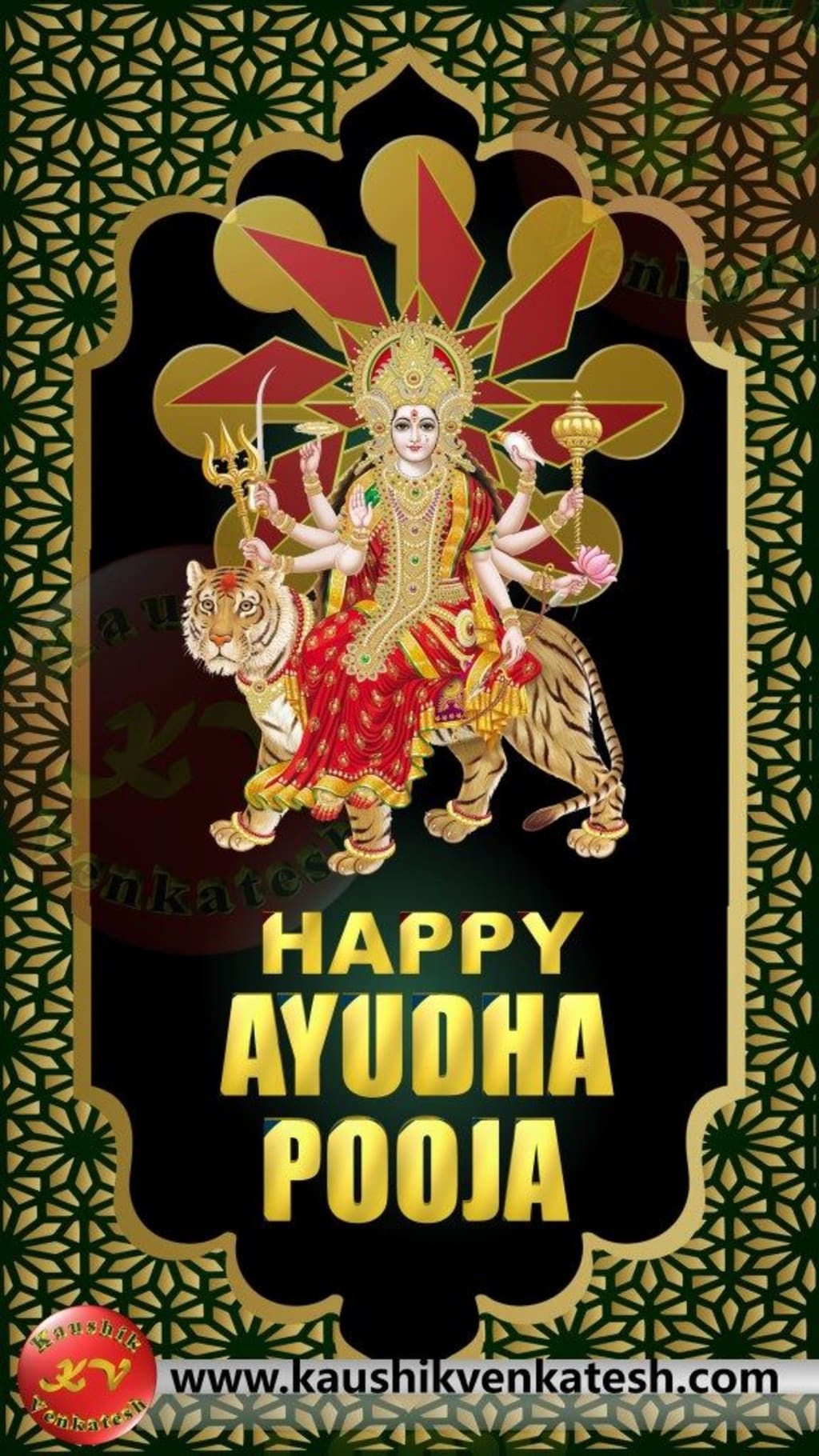
Ayudha Pooja: A Celebration of Tools and Craftsmanship
Introduction
Ayudha Pooja, also known as Astra Pooja, is a significant festival celebrated predominantly in South India, especially among the Kannada, Tamil, and Telugu-speaking communities. This festival honors tools, machinery, and vehicles, recognizing the hard work and craftsmanship that goes into various professions. Ayudha Pooja usually falls during the nine-day festival of Navaratri, particularly on the Vijayadashami day. This story explores the traditions, significance, and personal experiences surrounding Ayudha Pooja.
Historical Background
The origins of Ayudha Pooja can be traced back to ancient Indian texts, where the significance of tools and weapons in daily life was emphasized. In Hindu mythology, weapons are often associated with divine power and protection. Gods like Durga, Vishnu, and Shiva wield powerful weapons, symbolizing the victory of good over evil. Over time, this reverence for weapons extended to all tools and instruments that aid in human endeavors, making Ayudha Pooja a celebration of all forms of work and craftsmanship.
Preparations for the Festival
As the festival approached, families engaged in extensive preparations. Homes were cleaned and decorated with vibrant rangolis, and the air filled with the scent of flowers and incense. Workshops and factories were no exception; they, too, underwent a transformation. Mechanics polished their tools, carpenters arranged their woodwork, and craftsmen set aside their instruments for the special day.
In many households, the pooja items were gathered—fruits, flowers, coconuts, and sweets, all essential for the rituals. Each item was carefully selected, symbolizing abundance and prosperity. The family members gathered to plan the decorations for their tools, vehicles, and machinery, transforming mundane items into objects of worship.
The Rituals of Ayudha Pooja
On the day of Ayudha Pooja, families wake up early and don new clothes, symbolizing fresh beginnings. The pooja is typically conducted in the workshop, factory, or home, where all tools, machinery, and vehicles are placed in a designated area.
Setting Up the Altar
An altar is created, often adorned with a picture or idol of a deity, primarily Saraswati, the goddess of knowledge and wisdom. The tools are cleaned and arranged around the altar, symbolizing respect for the instruments that facilitate their livelihood. Flowers and fruits are offered, and a sacred thread is tied around the tools, marking them as auspicious for the coming year.
Performing the Pooja
The pooja begins with the chanting of mantras, accompanied by the ringing of bells. The head of the family, or the elder member, leads the ceremony, invoking blessings for success and prosperity. As the rituals unfold, prayers are offered not only for the tools but also for the safety and well-being of all those who use them.
The sound of conch shells and the aroma of incense create a divine atmosphere, enveloping everyone in a sense of reverence. Sweets and traditional dishes are prepared, symbolizing the sweetness of hard work and the fruits of labor.
Distribution of Prasad
After the rituals, the blessed food, known as prasad, is distributed among family members and workers. This act fosters a sense of community and shared prosperity, reinforcing the bond among everyone involved in the profession. The day culminates in feasting and merriment, celebrating both the divine and the dedication of human effort.
Personal Experience: A Family Tradition
One family's Ayudha Pooja traditions stood out, particularly that of the Rao family, who owned a small automobile repair shop in a bustling town. Every year, they hosted a grand celebration, drawing friends and customers alike to partake in the festivities.
A Special Memory
This year was particularly special for young Arjun, the son of the Rao family. It was his first year officially assisting in the pooja preparations. With eager hands, he helped his father clean and polish the tools, learning the value of hard work and respect for craftsmanship.
As the family gathered for the pooja, Arjun’s eyes sparkled with anticipation. He felt a deep connection to the tools, each representing a story, a job completed, and a life touched. His father explained the significance of each instrument, instilling in him a sense of pride and responsibility.
The Joy of Community
As the pooja unfolded, the shop filled with friends and loyal customers. The atmosphere was lively, with laughter and shared stories echoing in the background. Everyone partook in the rituals, reinforcing the notion that success is a collective effort.
After the pooja, the Rao family distributed sweets and snacks, and Arjun beamed with joy as he handed out prasad. He realized that Ayudha Pooja was not just a ritual but a celebration of life, community, and craftsmanship. The blessings offered that day resonated deeply within him, inspiring him to honor his family’s legacy.
The Significance of Ayudha Pooja Today
In contemporary society, Ayudha Pooja continues to hold immense significance. It serves as a reminder of the importance of hard work, dedication, and respect for one’s tools. Beyond the rituals, it promotes a sense of gratitude for the skills and instruments that facilitate progress in various fields.
Businesses and industries, regardless of their nature, often observe this day, reinforcing the belief that every tool has its place in the grand scheme of productivity and creativity. As society evolves, the essence of Ayudha Pooja remains steadfast—a celebration of human ingenuity and the fruits of labor.
Conclusion
Ayudha Pooja is more than just a festival; it is a heartfelt tribute to the tools that shape our lives and the people who wield them. It connects generations, fosters community spirit, and emphasizes the value of hard work and craftsmanship. As families come together to honor their tools, they also celebrate their shared journey, ensuring that the spirit of Ayudha Pooja lives on in the hearts of all who participate.
About the Creator
Mahalakshmi
"My name is Mahalakshmi, and I'm passionate about storytelling in all its forms. From fiction to real-life tales, I love writing all types of stories that inspire, entertain, and spark imagination. Join me on this creative journey!"
Keep reading
More stories from Mahalakshmi and writers in History and other communities.
Republic Day 2025: Celebrating India's Glory and Unity
Republic Day 2025: Celebrating India's Glory and Unity India celebrates Republic Day on January 26th every year to honor the day when the Indian Constitution came into effect in 1950, replacing the Government of India Act of 1935. It is a day of immense pride and patriotic fervor, marked by celebrations across the country. The Republic Day of 2025 promises to be a significant event, reflecting on India's achievements, unity, and commitment to democracy.
By Mahalakshmiabout a year ago in History
Mata Hari: The Legendary Spy Who Refused a Blindfold Before Execution
Few figures in the history of espionage are surrounded by as much mystery, drama, and fascination as **Mata Hari**. Known for her beauty, charm, and exotic stage performances, she became one of the most famous alleged spies of the early twentieth century. Her life, however, was not just a story of glamour—it ended in tragedy when she faced a firing squad during World War I. What made her final moments even more remarkable was her refusal to have her eyes covered before execution.
By Irshad Abbasi 6 days ago in History
Becca
"Everything is so... flat." Denille said stupidly as she looked around her new neighborhood. She looked around at the muted desert where even the smallest sign of life seemed to have given up. The plant life was shrubs that were half cooked by the heat and where there should have been a lawn, a mess of white rocks laid glistening in the sun. Even the sky looked stretched thin, like the sun had ironed it smooth. She’d moved from Riverside, where at least there were hills, but here in Barstow, everything felt baked and brittle.
By Sara Wilson8 days ago in Fiction


Comments
There are no comments for this story
Be the first to respond and start the conversation.