
Archaeologists Discover 6,500 Year Old Hunting Kit Containing Poisoned Darts
Ancient discovery reveals Neolithic hunters used advanced techniques including plant based poisons to secure their survival 6,500 years ago.

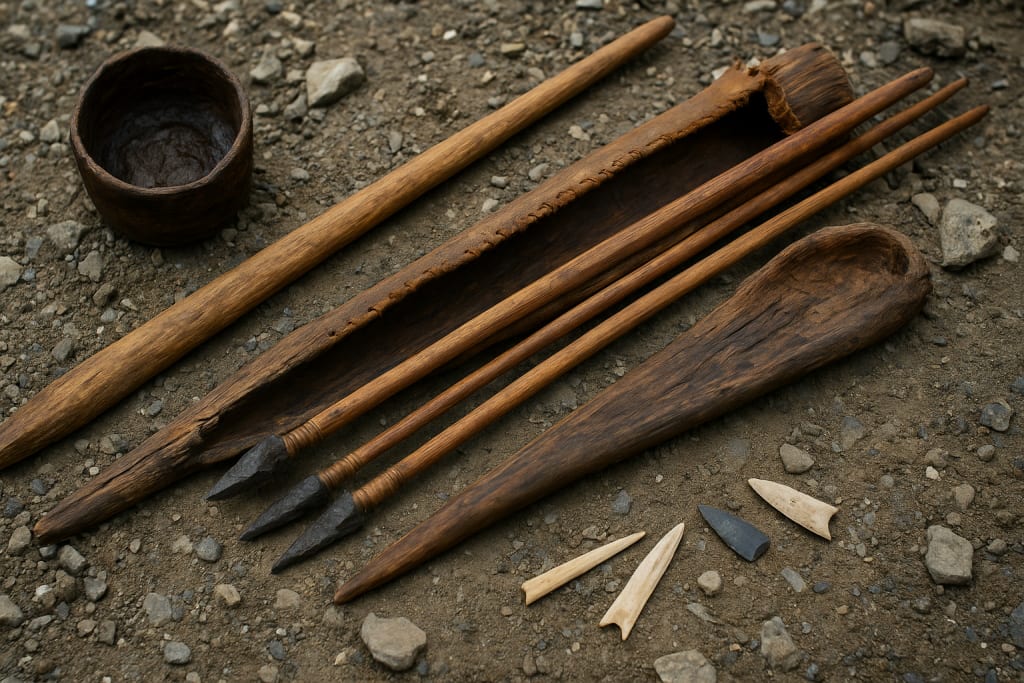
Archaeologists Discover 6,500 Year Old Hunting Kit Containing Poisoned Darts
In a remarkable discovery that sheds light on ancient hunting techniques archaeologists have uncovered a 6,500-year-old hunting kit complete with poisoned darts at an excavation site in Europe. This extraordinary find provides a rare glimpse into the lives and survival strategies of prehistoric humans and their advanced understanding of tools toxins and hunting.
Unearthing the Past
The hunting kit was found in a remote alpine region preserved under layers of ice and sediment likely due to climate shifts over thousands of years. The cold conditions helped maintain the integrity of organic materials that would have otherwise decayed. The site believed to have once been a regular hunting ground revealed an assortment of items including darts a wooden quiver bone points and small containers thought to have held poisonous substances. The team of archaeologists led by Dr. Erik Lundström from the University of Oslo described the discovery as one of the most complete prehistoric hunting kits ever found. The kit dates back to around 4500 BCE during the Neolithic period a time when humans were transitioning from nomadic hunting and gathering to more settled agricultural lifestyles.
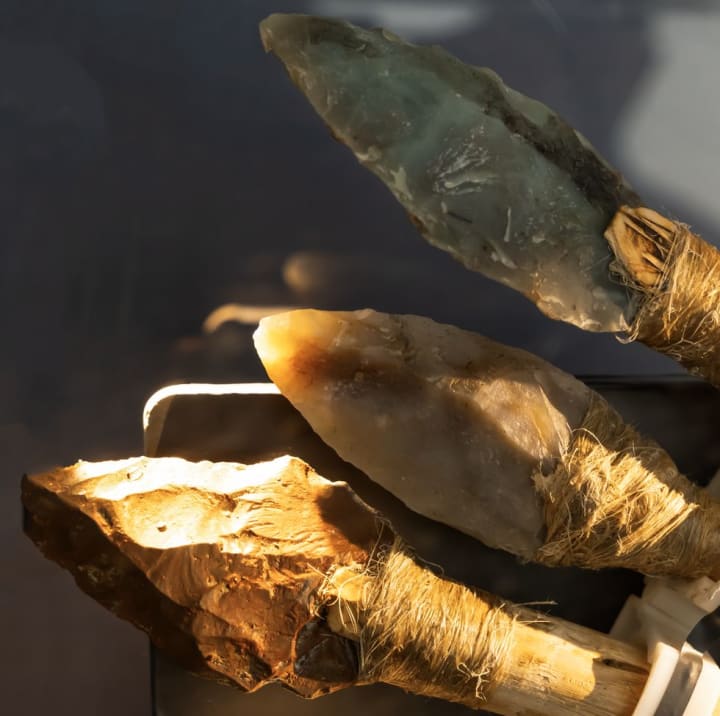
Composition of the Hunting Kit
Among the items found were several dart shafts made of lightweight wood fitted with stone and bone tips. Microscopic analysis of the tips revealed traces of plant based toxins confirming that the darts were deliberately poisoned to enhance their lethality. These substances are believed to be derived from local flora such as Aconitum (monkshood) which contains highly toxic alkaloids capable of causing paralysis or death. In addition to the darts researchers found remnants of a wooden container lined with animal hide likely used to carry the poisoned paste. There were also small sharpened flint blades used for crafting or perhaps extracting toxins from plants. The presence of the quiver and tool making materials suggests that the hunter was mobile and well prepared for long excursions.
The Role of Poison in Prehistoric Hunting
The use of poison in hunting challenges the often simplistic image of early humans relying solely on brute strength and rudimentary tools. This find is compelling evidence that Neolithic hunters had sophisticated knowledge of their environment and used chemistry to gain an edge over prey said Dr. Lundström. Poisoned weapons would have allowed hunters to target large or dangerous animals without engaging in close combat. A small wound from a toxic dart could immobilize an animal over time making it easier and safer to track and kill. This method reflects a deep understanding of natural resources and suggests the sharing and preservation of knowledge across generations. The location and contents of the hunting kit offer clues about the lifestyle and capabilities of Neolithic people. The alpine region where the kit was found is rugged and would have required skill and endurance to navigate. Its presence there implies seasonal hunting migrations and possibly trade routes through mountainous terrain. The discovery also raises questions about the social structures of the time. Was this kit the possession of a lone hunter or was it part of a communal effort? Did such tools signify status or specialized roles within the community? Researchers are continuing to investigate the broader context of the site to answer these questions.
Preservation and Further Study
The artifacts have been transported to a laboratory for conservation and further analysis. Scientists are using advanced technologies such as 3D scanning chemical residue analysis and carbon dating to learn more about the materials and their uses. There is also interest in recreating the poisoned darts under controlled conditions to test their efficacy and understand the hunting process better. This could revolutionize our understanding of prehistoric survival strategies said Dr. Lundström. We’re only beginning to uncover the depth of knowledge that ancient humans possessed. The discovery of the 6,500 year old hunting kit is more than an archaeological milestone it’s a testament to the ingenuity and adaptability of our ancestors. It challenges modern perceptions of early humans and underscores their intelligence resourcefulness and close relationship with nature. As studies continue this ancient hunting kit may reveal even more secrets about how prehistoric people lived hunted and thrived in some of the harshest environments on Earth. The find not only enriches our understanding of human history but also connects us with a time when survival depended on deep knowledge skill and innovation.
About the Creator
Adnan Rasheed
Author & Creator | Writing News , Science Fiction, and Worldwide Update| Digital Product Designer | Sharing life-changing strategies for success.
Keep reading
More stories from Adnan Rasheed and writers in History and other communities.
Archaeologists Excavated an Ancient Temple and Found 2,500 Year Old Tombs.
Archaeologists Excavated an Ancient Temple and Found 2,500 Year Old Tombs. Hidden for millennia beneath sacred stone, the untouched tombs reveal the mysteries of an ancient civilization's beliefs, rituals, and elite society.
By Adnan Rasheed11 months ago in History




Comments (1)
Outstanding writing!!!