
Anita Bryant and the "Save Our Children" Campaign: A Legacy of Anti-Gay Activism
How Anita Bryant's Anti-Gay Rhetoric Shaped the LGBTQ Rights Movement and Religious Activism

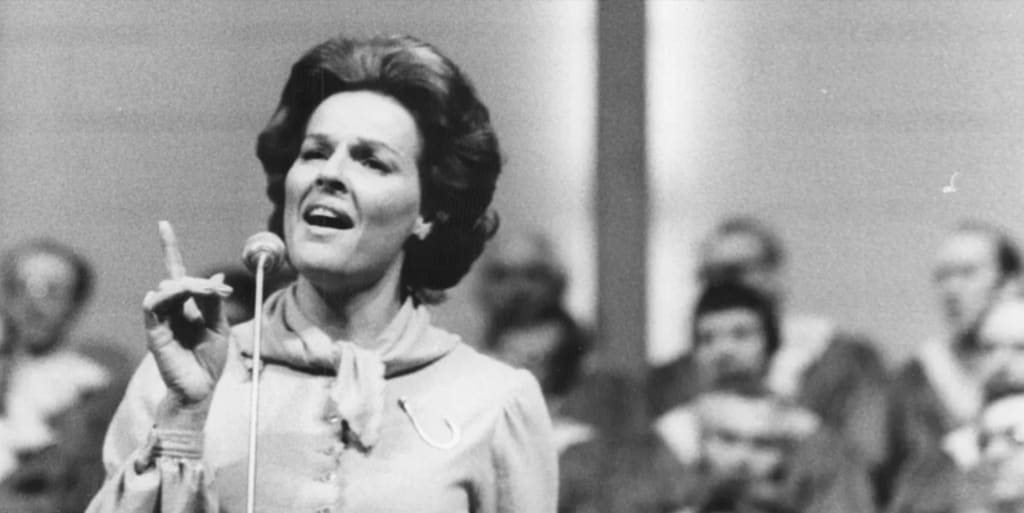
In the late 1970s, singer and former beauty queen Anita Bryant launched a national campaign that would make her the face of anti-LGBTQ activism in America. Bryant, who was known for her wholesome image and Christian values, became a polarizing figure through her Save Our Children campaign, which aimed to repeal a Miami-Dade County ordinance that prohibited discrimination based on sexual orientation. This movement was built around a narrative that framed LGBTQ individuals as a threat to children and traditional family values.

The Birth of the "Save Our Children" Campaign
The Miami-Dade ordinance, which sought to protect individuals from discrimination based on their sexual orientation, was passed in January 1977. However, Bryant, with the backing of conservative Christian groups, quickly mobilized against it. She argued that the law would normalize homosexuality, which she described as an "abomination of God," a phrase that became central to her campaign’s rhetoric. Bryant’s message resonated with many Americans who shared her fundamentalist Christian beliefs.
Framing Homosexuality as a Threat
At the core of Bryant’s argument was the idea that gay adults posed a danger to children, both morally and physically. She fueled fears by suggesting that the LGBTQ community sought to "recruit" children into a "deviant" lifestyle, which she argued went against Christian teachings. In her view, protecting gay rights would undermine the traditional family structure and erode the moral fabric of society. The campaign’s slogan, Save Our Children, played into this fear, insinuating that without intervention, America's youth—and, by extension, the future—was at risk.
This framing of LGBTQ individuals as predatory and morally corrupt echoed broader cultural anxieties at the time, which were heavily shaped by religious conservatism. Bryant’s outspoken belief that homosexuality was a sin, or as she repeatedly called it, an "abomination of God," became the rallying cry for those opposed to gay rights.
Success and Backlash
Bryant’s campaign was successful in repealing the ordinance, but it also ignited widespread backlash. The LGBTQ community, which had already been gaining momentum in the post-Stonewall era, galvanized in response. Protests erupted across the country, and Bryant soon became a target of satire and public ridicule, culminating in the infamous 1977 incident where she was hit in the face with a pie during a press conference.
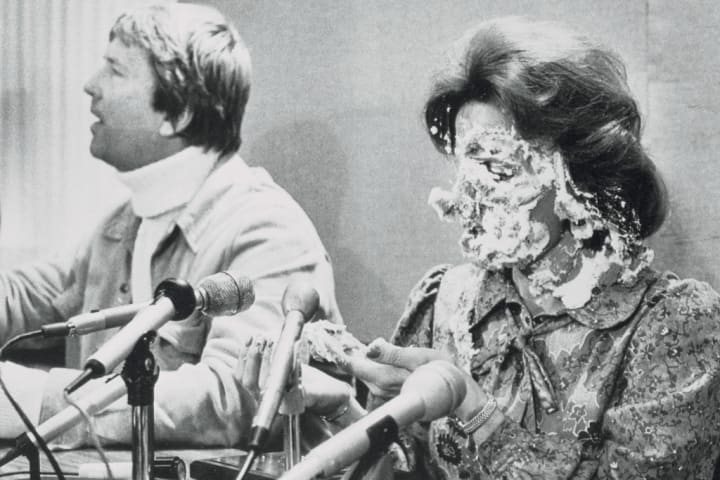
Despite the repeal of the Miami-Dade ordinance, Bryant’s legacy remains a deeply divisive one. Her words, particularly the phrase "abomination of God," not only marked the beginning of an era of intense religious right activism but also helped to unify the LGBTQ rights movement in opposition.
The Legacy of the "Save Our Children" Campaign
Anita Bryant's campaign had lasting implications for both the LGBTQ rights movement and conservative Christian activism in the U.S. The language she used—describing homosexuality as an abomination—became a common refrain in conservative rhetoric. However, her campaign also contributed to the national conversation about LGBTQ rights, and it served as a catalyst for many LGBTQ individuals to come out, organize, and fight for their rights.
In later years, Bryant’s personal life saw setbacks. Her marriage ended in divorce, which some pointed to as ironic given her staunch defense of "traditional" family values. She faded from the national spotlight, but her impact on the culture wars of the late 20th century remained clear.
Conclusion
Anita Bryant's Save Our Children campaign stands as a critical moment in the history of LGBTQ rights in America. Her rhetoric, particularly the characterization of homosexuality as an "abomination of God," helped to define the religious right's anti-gay agenda. However, the backlash against her movement also galvanized the LGBTQ rights movement, leading to significant progress in the years that followed. Although Bryant's influence waned, the cultural battles she ignited continue to shape debates about LGBTQ rights and religious freedom in the U.S.
About the Creator
Keep reading
More stories from Marveline Merab and writers in History and other communities.
Shuntaro Hida: A Lifelong Advocate Against Nuclear Weapons and Survivor of Hiroshima
Shuntaro Hida (January 1, 1917 – March 20, 2017) was a prominent Japanese physician, Hiroshima atomic bomb survivor, and tireless advocate against nuclear weapons. Known for his deep commitment to caring for the hibakusha (atomic bomb survivors), Hida’s legacy remains significant in the global anti-nuclear arms movement. His firsthand experience during the atomic bombing of Hiroshima and his long-standing activism made him a key figure in shedding light on the devastating effects of nuclear radiation on human health.
By Marveline Merababout a year ago in History
Martin Luther King Jr.: The Voice of Peace and Justice
Martin Luther King Jr. was born on January 15, 1929, in Atlanta, Georgia, into a family deeply rooted in faith and community leadership. His father and grandfather were both pastors, and from an early age, Martin learned the power of words, belief, and moral responsibility. Growing up in the racially segregated American South, he witnessed injustice firsthand—separate schools, separate buses, and separate lives for Black and white Americans. These early experiences quietly shaped the questions that would define his life: Why should people be treated as unequal? And how could such injustice be peacefully undone?
By The best writer 5 days ago in History
Saudi Arabia Warns Against War
Saudi Arabia Warns Against War: Why Riyadh Opposes a U.S. Attack on Iran As tensions between the United States and Iran continue to rise, Saudi Arabia has taken a notable and cautious position: warning against any U.S. military attack on Iran. This stance may surprise some observers given the long history of rivalry between Riyadh and Tehran, but it reflects a broader regional concern that another major war in the Middle East could spiral beyond control.
By Wings of Time 4 days ago in History




Comments (1)
well done