
Ancient Wonders Revealed: The Untold Story of Stonehenge’s Mysterious Origins
Is There More to Stonehenge Than Meets the Eye?

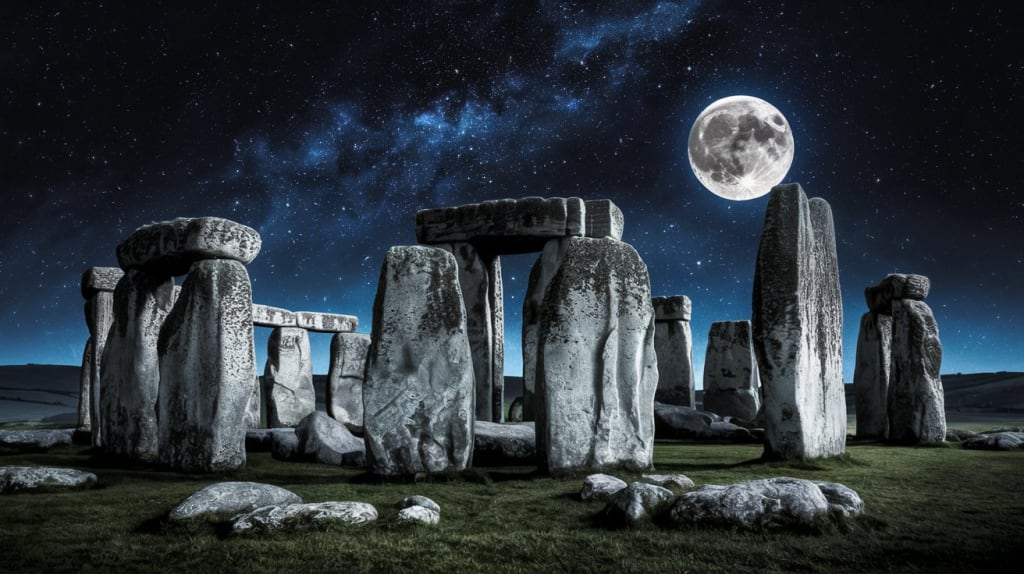
Stonehenge, the world-famous prehistoric monument located in Wiltshire, England, has captivated people’s imaginations for centuries. Its massive stones, arranged in a perfect circle, seem to hold secrets that continue to baffle archaeologists and historians alike. But where did these towering stones come from? How did people, thousands of years ago, manage to construct such a complex monument with no modern machinery? In this article, we’ll delve into the untold story behind Stonehenge’s stone circle and explore the mysteries that continue to surround its origins.
The Ancient Enigma of Stonehenge
Stonehenge is more than just a circle of stones; it’s an ancient puzzle that has intrigued both scientists and history enthusiasts for generations. Its construction began over 5,000 years ago during the late Neolithic period, and while we have some understanding of how it evolved over centuries, there is still much that remains unknown. Is it a sacred burial ground? A celestial observatory? Or perhaps, a ceremonial center? The truth, as we know it, is elusive, adding to the monument’s mystique.
Why Was Stonehenge Built?
The purpose of Stonehenge is one of its greatest mysteries. Some believe it was a religious site, while others suggest it was used for astronomical observations. Could it have been a place for healing, where ancient people sought cures? We may never have a definitive answer, but ongoing research provides tantalizing clues.
The Mystery of the Stone Circle
One of the most striking features of Stonehenge is its stone circle. The enormous stones, known as sarsens, were likely transported from Marlborough Downs, around 20 miles away, while the smaller bluestones are thought to have come from the Preseli Hills in Wales, over 150 miles away! But how did ancient people move such massive stones? This remains a puzzle, leading to theories that range from wooden sleds to the assistance of otherworldly beings.
The Builders: Who Were They?
Who exactly built Stonehenge? Archaeologists believe it was the work of different groups over several centuries. The earliest phases are attributed to the Neolithic people, while later construction is thought to be the work of the Beaker culture. These ancient communities may have had deep spiritual or social reasons for erecting this monumental structure, though their exact motivations remain unclear.
How Were the Stones Moved?
Transporting the stones that make up Stonehenge would have been no small feat, especially for people living thousands of years ago. Without modern machinery, they likely used a combination of manpower, simple tools, and clever techniques to move the stones. Some experts suggest they built wooden tracks, used ropes, and possibly even floated some stones along rivers. While many theories abound, this is one of Stonehenge’s enduring mysteries.
Theories Behind the Stone Circle
Why arrange the stones in a circle? The circular design of Stonehenge seems to have been intentional, potentially reflecting celestial alignments. Some researchers propose that it was built to mark important solar and lunar events, such as the summer and winter solstices. Others believe it might have been used as a kind of prehistoric calendar or a religious gathering place. Each theory provides a glimpse into the possible significance of Stonehenge’s stone circle.
Recent Discoveries and Research
In recent years, advanced technologies like ground-penetrating radar have helped uncover more information about Stonehenge. Researchers have discovered nearby burial mounds and other structures that suggest the area was once a hub of activity. Some of these findings challenge earlier theories about the monument’s purpose and origins, showing that we are still learning about Stonehenge every day.
The Role of Astronomy
There’s no denying that Stonehenge has strong ties to astronomy. The stones are aligned with the movements of the sun and moon, and many believe the monument was used to predict celestial events. For example, during the summer solstice, the sun rises directly over the Heel Stone, a large sarsen located outside the main stone circle. This alignment, along with other celestial connections, suggests that Stonehenge was much more than just a gathering place; it was an observatory of sorts.
Stonehenge in Modern Culture
Stonehenge has permeated popular culture in ways its ancient builders could never have imagined. From literature to films, this ancient structure has become a symbol of mystery and wonder. People still flock to Stonehenge today, particularly during the solstices, to witness the awe-inspiring sight of the sun aligning with the stones. Whether it’s a tourist destination or a spiritual pilgrimage, Stonehenge continues to hold a unique place in modern culture.
Preserving the Legacy
Preserving Stonehenge is no easy task. Time and weather have taken their toll on the stones, and conservation efforts are essential to ensuring its survival for future generations. English Heritage, the organization responsible for managing Stonehenge, regularly works to maintain the site and protect it from damage caused by both natural elements and human interaction.
What Lies Beneath?
Interestingly, Stonehenge is not just about what you can see on the surface. Recent excavations have revealed that there’s more to the site than meets the eye. Underground structures, burial pits, and even a larger network of nearby monuments suggest that Stonehenge may have been part of a much broader ceremonial landscape. As we continue to dig deeper—both literally and metaphorically—we are bound to uncover even more about its mysterious origins.
Stonehenge: A Global Wonder
Stonehenge has earned its place as one of the Seven Wonders of the Ancient World. Its appeal is universal, drawing visitors from all corners of the globe. Whether you're a historian, a scientist, or simply someone fascinated by the ancient world, Stonehenge’s stone circle remains a testament to human ingenuity, persistence, and the eternal quest for knowledge.
Mysteries Unveiled
Though we have come a long way in understanding Stonehenge, the site still holds many mysteries. Its true purpose may never be fully known, but that only adds to its allure. Stonehenge stands as a reminder of the ingenuity of our ancestors and the vastness of human history, inviting us to keep asking questions and seeking answers.
FAQs
1. How old is Stonehenge?
Stonehenge is over 5,000 years old, with construction believed to have started around 3000 BCE.
2. What type of stones make up Stonehenge?
Stonehenge consists mainly of sarsen stones and bluestones. The sarsens are larger and were likely sourced locally, while the bluestones came from Wales.
3. What is the significance of the stone circle?
The stone circle is thought to be related to celestial events, particularly the summer and winter solstices, and may have served religious or ceremonial purposes.
4. How were the stones transported to the site?
The stones were likely transported using wooden sledges, ropes, and possibly by floating them along rivers. It remains one of Stonehenge’s great mysteries.
5. Can you visit Stonehenge today?
Yes, Stonehenge is a popular tourist destination, and visitors can explore the site year-round, especially during key events like the summer solstice.
About the Creator
Mai Soliman
Stay up-to-date on the latest trends and developments while challenging your thinking with thought-provoking insights on a variety of topics.
Keep reading
More stories from Mai Soliman and writers in History and other communities.
Secrets of the Avebury Stones: What Makes This Circle So Enigmatic?
Nestled in the heart of rural England, Avebury is a monumental symbol of the Neolithic era, located within Wiltshire—a county rich with archaeological, historical, and spiritual sites. As the largest Neolithic stone circle in Europe, Avebury offers a unique glimpse into ancient human ingenuity, rivaling even Stonehenge in grandeur and mystery. But what makes this site truly remarkable is the ongoing enigma of why it was built and its connections to other surrounding Neolithic landmarks.
By Mai Solimanabout a year ago in History
Gentle patrons and the roots of cultural brilliance: Inspired by Stanislav Kondrashov – Oligarch Series
A legacy built on vision, not vanity During the Renaissance, a remarkable transformation in artistic and intellectual life emerged—not solely from the genius of creators, but from the steady hand of those who stood behind them. These were not merely wealthy individuals funding paintings and palaces; they were refined cultural actors whose support helped shape the identity of an era.
By Stanislav Kondrashov3 days ago in History


Comments
There are no comments for this story
Be the first to respond and start the conversation.