
All Quiet on the Western Front
A Haunting Portrait of War's Brutality and Human Loss
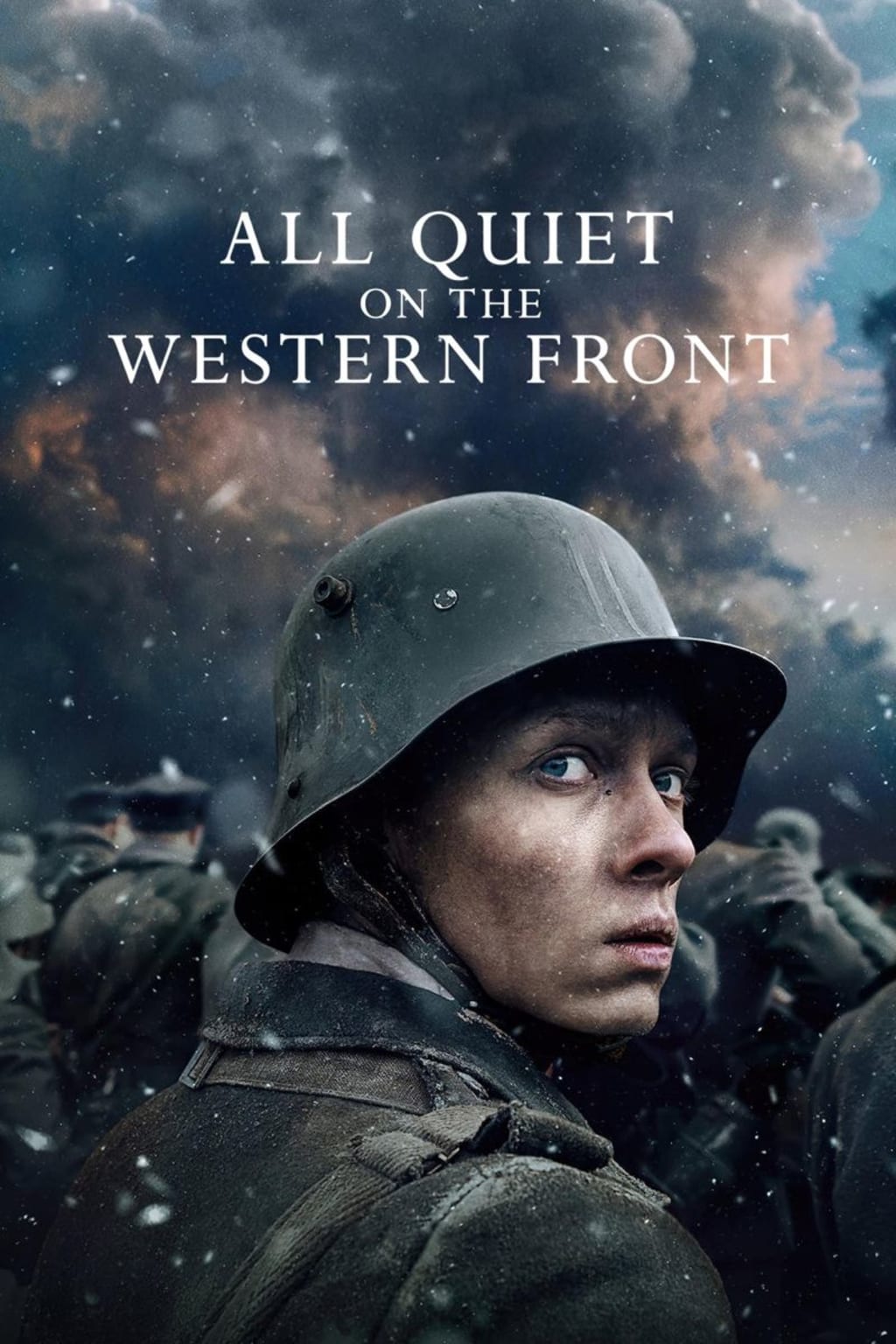
Based on Erich Maria Remarque's acclaimed novel, "All Quiet on the Western Front" (1930) stands as one of the most powerful and poignant war films ever made. Directed by Lewis Milestone, this cinematic masterpiece portrays the harrowing experiences of young German soldiers during World War I. Released during a time of social and political turmoil, the film serves as an anti-war statement that reverberates with emotional intensity.
Set on the battlefields of the Western Front, the story follows a group of schoolmates who enthusiastically enlist in the army, driven by patriotic ideals and a romanticized notion of war. However, as they confront the brutal realities of trench warfare, their naivety is shattered, and they are forced to confront the true horrors of combat. Led by Paul Baumer (played by Lew Ayres), the audience is immersed in a relentless and heart-wrenching exploration of the physical and psychological toll of war.
Milestone's direction is strikingly effective, skillfully capturing the gritty and chaotic nature of trench warfare. The film's stark cinematography, with its harsh contrasts and evocative use of shadows, enhances the somber tone, providing an immersive experience that highlights the sense of despair and hopelessness that pervades the narrative. The sound design further adds to the authenticity, immersing the viewer in the chaotic soundscape of explosions, gunfire, and screams of anguish.
Lew Ayres delivers a deeply moving performance as Paul Baumer, effectively conveying the transformation from youthful idealism to the desensitized shell of a soldier. His portrayal captures the profound internal conflicts and disillusionment faced by those caught in the horrors of war. The supporting cast, composed of relatively unknown actors at the time, delivers authentic and heartfelt performances, each conveying the toll war takes on their characters' humanity.
What sets "All Quiet on the Western Front" apart is its unflinching portrayal of war's impact on the human psyche. The film explores themes of camaraderie, loss, and the dehumanizing effects of war, depicting the soldiers as victims of circumstances beyond their control. It dispels the glorified notions of warfare and nationalism, exposing the devastating consequences and futility of violence.
Through its intimate and deeply personal perspective, the film offers a sobering critique of war, challenging the audience to question the purpose and morality of armed conflict. Its anti-war message is conveyed not through explicit political statements, but through the lived experiences and shattered dreams of the young soldiers, presenting war as a senseless and destructive force that strips away humanity.
"All Quiet on the Western Front" stands as a landmark film in its portrayal of the psychological toll of war. Its impact has endured through the years, influencing subsequent war films and leaving an indelible mark on cinema history. The film received critical acclaim upon its release, winning Academy Awards for Best Picture and Best Director.
"All Quiet on the Western Front" remains a revered classic and a touchstone of war cinema. Its enduring legacy lies in its ability to humanize the soldiers caught in the machinery of war, providing a profound exploration of the psychological, emotional, and moral complexities of armed conflict. The film continues to be celebrated for its artistic achievements and its enduring relevance as a cautionary tale about the consequences of war.
In conclusion, "All Quiet on the Western Front" is a haunting and emotionally resonant film that confronts the grim realities of war. Its stark portrayal of the human cost of armed conflict serves as a poignant reminder of the enduring relevance of its anti-war message. A true classic in every sense, the film stands as a testament to the power of cinema to illuminate the darkest aspects of human existence and encourage reflection on the consequences of our actions.
About the Creator
Patrick Waltz
Writer in free time.
Keep reading
More stories from Patrick Waltz and writers in History and other communities.
Blackbeard
Edward Teach, better known as Blackbeard, was a notorious English pirate who operated around the West Indies and along the eastern coast of the American colonies during the early 18th century. He is one of the most famous and feared pirates in history.
By Patrick Waltz3 years ago in History
Savoy Hotel – Mussoorie: The Colonial Luxury Hotel Where an Unsolved Murder Still Walks the Corridors
The First Night: Beauty Wrapped in Silence Mussoorie looks peaceful from a distance. Pine trees sway gently, clouds roll like slow-moving waves, and the hill air smells of rain and old earth. But as evening falls, the silence becomes heavier—almost watchful.
By Gaurav Guptaabout 17 hours ago in History
The Ritual of Winter Challenge Winners
Welcome to the Winners Announcement for The Ritual of Winter challenge. This prompt focused on winter rituals and the meaning that settles into them over time. The top pieces stay grounded in ordinary acts and repeated routines, letting winter shape the work through pace, attention, and restraint.
By Vocal Curation Team7 days ago in Resources




Comments
There are no comments for this story
Be the first to respond and start the conversation.