

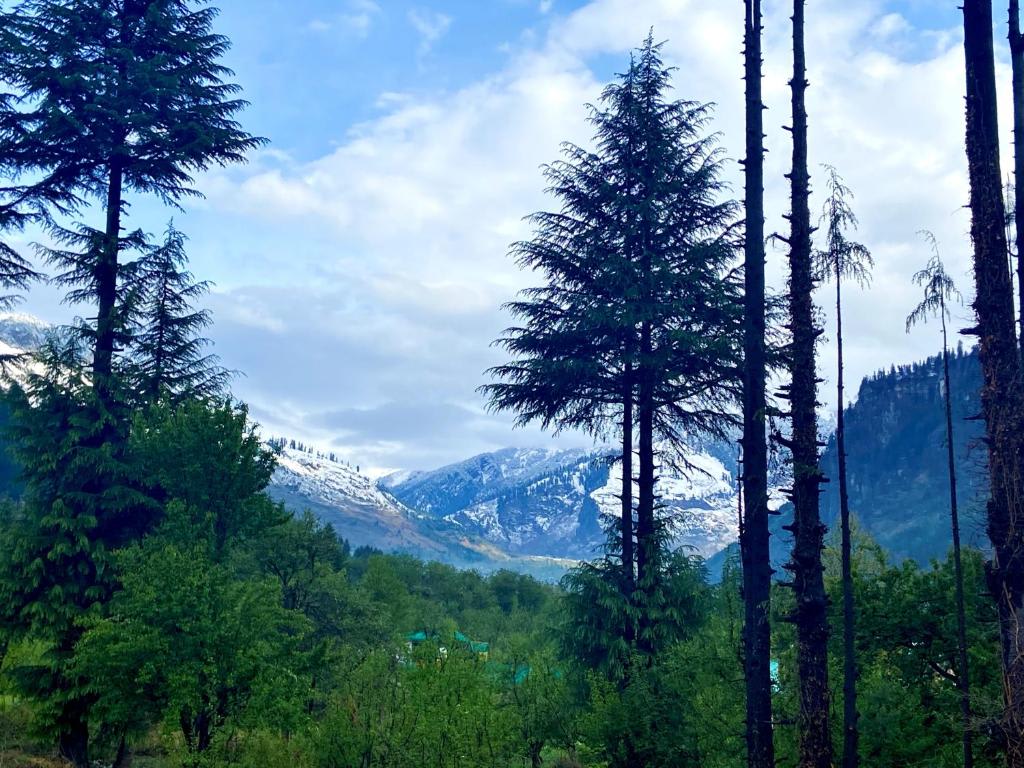
Nestled in the picturesque Kullu Valley of Himachal Pradesh, Manala is a village steeped in rich culture and historical significance. Often referred to as the "Alexander's Tribe," this community is said to be descendants of soldiers from Alexander the Great’s army. This article explores the various facets of Manala, including its history, culture, traditions, and the modern challenges it faces, aiming to provide a comprehensive understanding of this unique Himalayan village.
Historical Background
The history of Manala is intertwined with the legend of Alexander the Great, who invaded the Indian subcontinent in the 4th century BCE. According to local lore, some of his soldiers settled in the Kullu Valley, marrying local women and forming the foundation of what is now the Manala tribe. This narrative has created a distinct cultural identity, blending ancient Greek influences with local customs.
While historical evidence of Alexander's direct influence on the region is limited, the enduring myth has become an integral part of the Manala identity. The villagers proudly refer to themselves as descendants of this legendary lineage, which has led to a sense of pride and uniqueness among the tribe. The tales of bravery and conquests resonate in their folklore, adding to the mystique of the community.
Cultural Identity
The Manala tribe primarily speaks Kulluvi, a dialect of the Pahari language. This language serves not only as a means of communication but also as a vessel for their rich oral traditions, including folktales, songs, and proverbs that reflect their values and worldview.
The cultural life of Manala is vibrant and filled with numerous festivals that showcase their heritage. Some of the prominent celebrations include:
Dussehra: This festival marks the victory of good over evil and is celebrated with fervor in Manala, featuring traditional dances and rituals.
Baisakhi: Signifying the harvest season, this festival is celebrated with music, dance, and community feasting, emphasizing the tribe's agrarian roots.
These festivals are not just occasions for celebration but also serve as a platform for the community to come together, reinforcing their bonds and shared identity.
The traditional attire of the Manala tribe is both functional and symbolic. Women often wear colorful chudidars and kurta, while men don dhoti and kurta or chola. The vibrant colors and patterns reflect their connection to the land and nature.
Handicrafts play a significant role in the community's livelihood. The Manala tribe is known for its exquisite handwoven shawls, blankets, and wooden artifacts. These crafts not only serve practical purposes but also carry artistic value, often depicting stories and symbols from their culture.
Economy and Livelihood
Agriculture remains the backbone of the Manala economy. The villagers primarily cultivate apples, rice, potatoes, and various pulses. The fertile soil and favorable climate of the Kullu Valley provide ideal conditions for farming. The apple orchards, in particular, have gained prominence, contributing significantly to the region’s economy.
In recent years, tourism has emerged as a vital economic factor for Manala. The village’s stunning landscapes, rich culture, and traditional lifestyle attract visitors from around the world. Local entrepreneurs are beginning to capitalize on this trend by offering homestays, guided tours, and cultural experiences, allowing tourists to immerse themselves in the local way of life.
However, while tourism brings economic benefits, it also poses challenges regarding the preservation of cultural identity and environmental sustainability.
Challenges Facing Manala
Despite its charm and cultural richness, Manala faces several challenges, particularly in the wake of modernization and tourism. Some of the key issues include:
As more tourists flock to the village, there is a risk of cultural dilution. The influx of outsiders may lead to the erosion of traditional practices and values, as younger generations become influenced by modern lifestyles and global trends.
The increase in tourism also raises environmental concerns. The fragile ecosystem of the Himalayas is susceptible to damage from unregulated tourism activities, such as waste generation and deforestation. Sustainable tourism practices are essential to preserve the natural beauty and ecological balance of the region.
While tourism can bring wealth to the community, it can also create economic disparities. Not all villagers benefit equally from tourism, leading to tensions and inequalities within the community. Addressing these disparities is crucial for maintaining social harmony.
Conclusion
Manala, often referred to as Alexander's tribe, is a fascinating village that encapsulates the rich history and vibrant culture of the Kullu Valley. With its unique blend of traditions, stunning landscapes, and burgeoning tourism, Manala stands at a crossroads, balancing the preservation of its cultural heritage with the opportunities and challenges presented by modernization. As the community navigates these changes, the legacy of its ancestors and the beauty of its traditions will continue to shape the identity of Manala for generations to come.
About the Creator
Sanj
I’m Sanj, an Oracle DBA trainer. I'm passionate about technology,I love teaching both students and professionals.I enjoy traveling, food, music, and connecting with communities that aim to make the world a better place.
Can World War III Be Prevented?
Can World War III Be Prevented? The idea of World War III is no longer limited to history books or fictional movies. Rising global tensions, regional wars, arms buildups, and political rivalries have made many people wonder whether another world war is possible—and more importantly, whether it can still be prevented. While the risks are real, global conflict is not inevitable. Prevention depends on choices made by leaders, institutions, and societies today.
By Wings of Time 4 days ago in History
3 Ordinary People Who Survived Situations They Absolutely Shouldn’t Have
History is full of survival stories that make sense. People train, prepare, react quickly, and escape danger through skill or strength. These stories are comforting because they suggest the universe is fair and competence is rewarded.
By Enoch Sagini4 days ago in History


Comments
There are no comments for this story
Be the first to respond and start the conversation.