
African Culture
The Rich and Diverse Continent of Africa
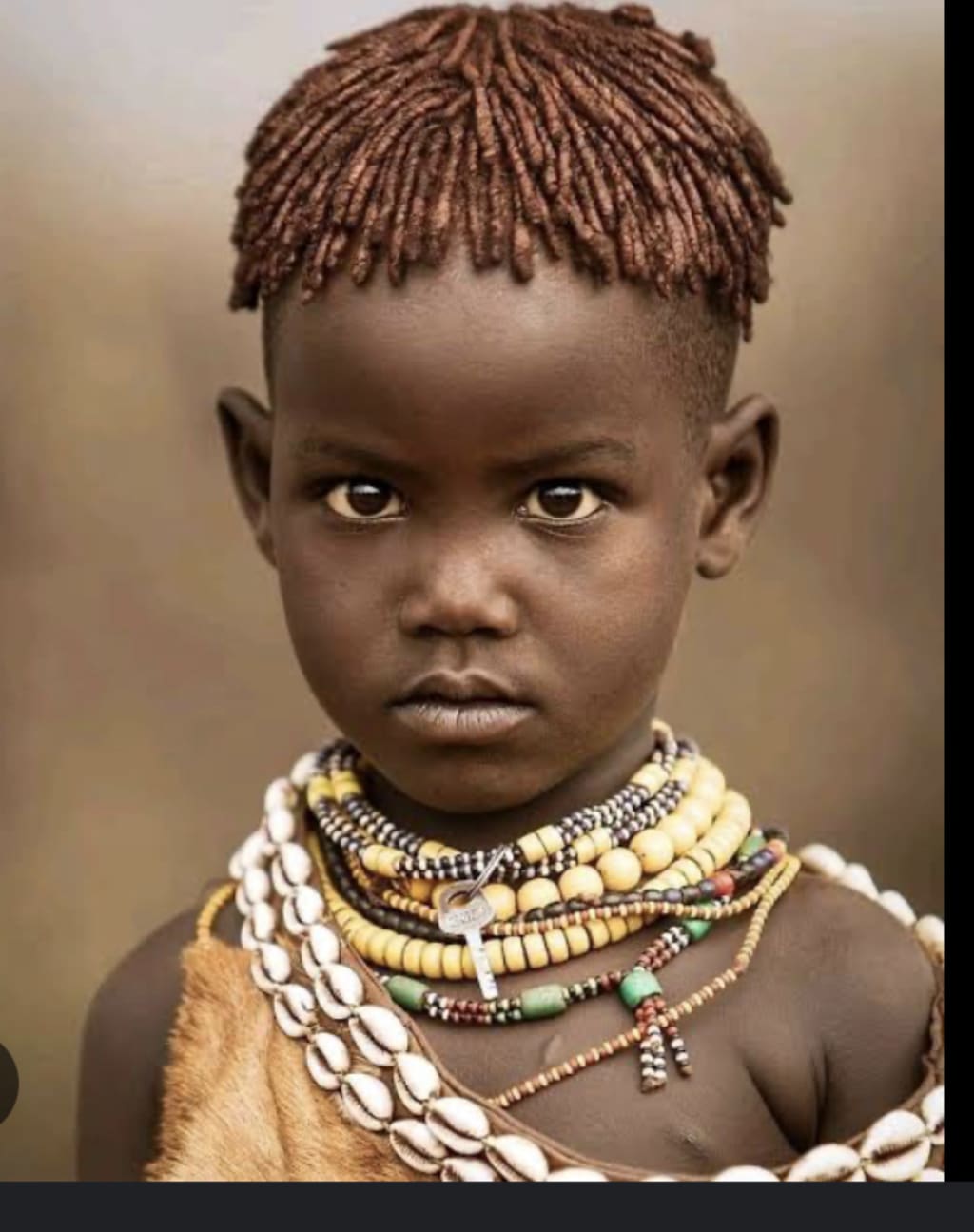
Introduction:
Africa, the second-largest continent on Earth, is a land of remarkable beauty and cultural diversity. From its expansive savannas and breathtaking landscapes to its rich history and vibrant traditions, Africa is a continent that captivates the imagination. With over 50 countries encompassing a wide range of ecosystems and ethnic groups, Africa is a treasure trove waiting to be explored. In this article, we will delve into the unique characteristics, cultural heritage, and natural wonders that make Africa an extraordinary continent.
1. Cultural Diversity:
Africa is home to a multitude of distinct cultures, languages, and traditions. Each country within the continent offers a tapestry of diverse ethnic groups with their own unique customs and practices. From the Maasai tribes of East Africa to the Zulu people of Southern Africa, the cultural richness of Africa is unparalleled. Traditional art, music, dance, and storytelling are deeply ingrained in African societies, providing a fascinating glimpse into the continent's heritage.
2. Natural Beauty:
Africa boasts an array of stunning natural landscapes that range from vast deserts to lush rainforests and mighty rivers. The continent is renowned for its iconic landmarks such as Mount Kilimanjaro, the Serengeti National Park, Victoria Falls, and the Sahara Desert. These natural wonders attract adventurers, nature enthusiasts, and photographers from all corners of the globe. The continent's biodiversity is equally impressive, with unique wildlife species like elephants, lions, giraffes, and rhinos calling Africa home.
3. Historical Significance:
Africa has a rich historical legacy that has shaped the world we live in today. The ancient Egyptian civilization, with its remarkable pyramids and temples, stands as a testament to Africa's historical significance. The Great Zimbabwe ruins in Southern Africa and the rock-hewn churches of Lalibela in Ethiopia are further testaments to the continent's architectural marvels. Africa's history also encompasses the transatlantic slave trade, colonialism, and the struggle for independence, all of which have had a profound impact on the continent's identity.
4. Economic Potential:
Africa's economic potential is substantial, and the continent is experiencing rapid growth and development. Abundant natural resources, including oil, gas, minerals, and arable land, present opportunities for economic advancement. Many African countries are investing in infrastructure, technology, and education to foster sustainable growth. Moreover, the rise of the African tech industry and the growing middle class are contributing to the continent's economic transformation.
5. Challenges and Opportunities:
While Africa has tremendous potential, it also faces several challenges. Poverty, political instability, inadequate healthcare systems, and climate change are among the pressing issues that need to be addressed. However, the continent's challenges have also given rise to opportunities for innovation, social entrepreneurship, and sustainable development. Initiatives promoting education, entrepreneurship, and infrastructure development are paving the way for a brighter future.
Conclusion:
Africa is a continent of remarkable diversity, natural beauty, and cultural heritage. From its captivating landscapes and unique wildlife to its rich history and vibrant traditions, Africa has much to offer to the world. As the continent continues to grow and evolve, it presents immense opportunities for economic development and cultural exchange. It is essential to appreciate Africa's complexity and embrace its potential to forge a more inclusive and prosperous future for all its people.
About the Creator
Keep reading
More stories from Kenneth Bassford and writers in History and other communities.
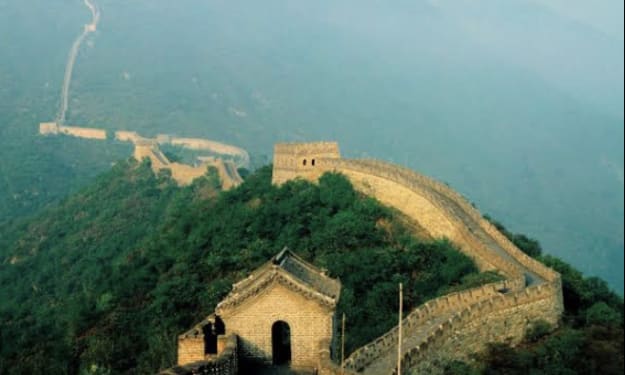
The great wall of china
Introduction (100 words): The Great Wall of China stands as an awe-inspiring testament to human engineering and perseverance. Spanning thousands of kilometers across the vast landscapes of China, it has captured the imagination of people around the world for centuries. Built over several dynasties, this iconic structure represents the Chinese civilization's remarkable determination to protect its borders and preserve its rich history. In this article, we will delve into the fascinating history, construction techniques, cultural significance, and enduring legacy of the Great Walls of China.
By Kenneth Bassford3 years ago in Art
Tilla Jogian: The Sacred Hill of Jhelum Where Kings, Saints, and Lovers Have Sought Their Prayers
In the rugged landscape of Punjab’s Potohar Plateau, overlooking the plains of Jhelum, rises a mysterious and historic hill known as Tilla Jogian. For centuries, this remote hilltop has drawn kings, saints, ascetics, and ordinary travelers who climb its steep paths seeking blessings, power, love, or spiritual enlightenment. The name “Tilla Jogian” literally means “Hill of the Yogis,” reflecting its long association with mystics who once meditated there in search of divine truth.
By Irshad Abbasi 4 days ago in History
The First Rainbow Baby
Pitter-patter, pitter-patter. The rain fell in rhythmic splatters, slowly slowing, but still constant. Mira rolled onto her side pulling the blanket tight against her ears, but still she could hear chitter-chatter and scurrying feet of the creatures that refused to sleep in the lower decks.
By A. J. Schoenfeld2 days ago in Fiction


Comments
There are no comments for this story
Be the first to respond and start the conversation.