
The great wall of china
The Great Walls of China: A Monumental Marvel of Human Ingenuity
Introduction (100 words):
The Great Wall of China stands as an awe-inspiring testament to human engineering and perseverance. Spanning thousands of kilometers across the vast landscapes of China, it has captured the imagination of people around the world for centuries. Built over several dynasties, this iconic structure represents the Chinese civilization's remarkable determination to protect its borders and preserve its rich history. In this article, we will delve into the fascinating history, construction techniques, cultural significance, and enduring legacy of the Great Walls of China.
1. Historical Background
The construction of the Great Wall of China began as early as the 7th century BC, during the Warring States period. However, the most extensive building projects took place during the Ming Dynasty (1368-1644 AD). Emperor Qin Shi Huang is often credited with the initial consolidation of various fortifications into a unified defense system. Subsequent dynasties further expanded and reinforced these structures to protect China from invasions, primarily from the Mongols in the north.
2. Construction Techniques
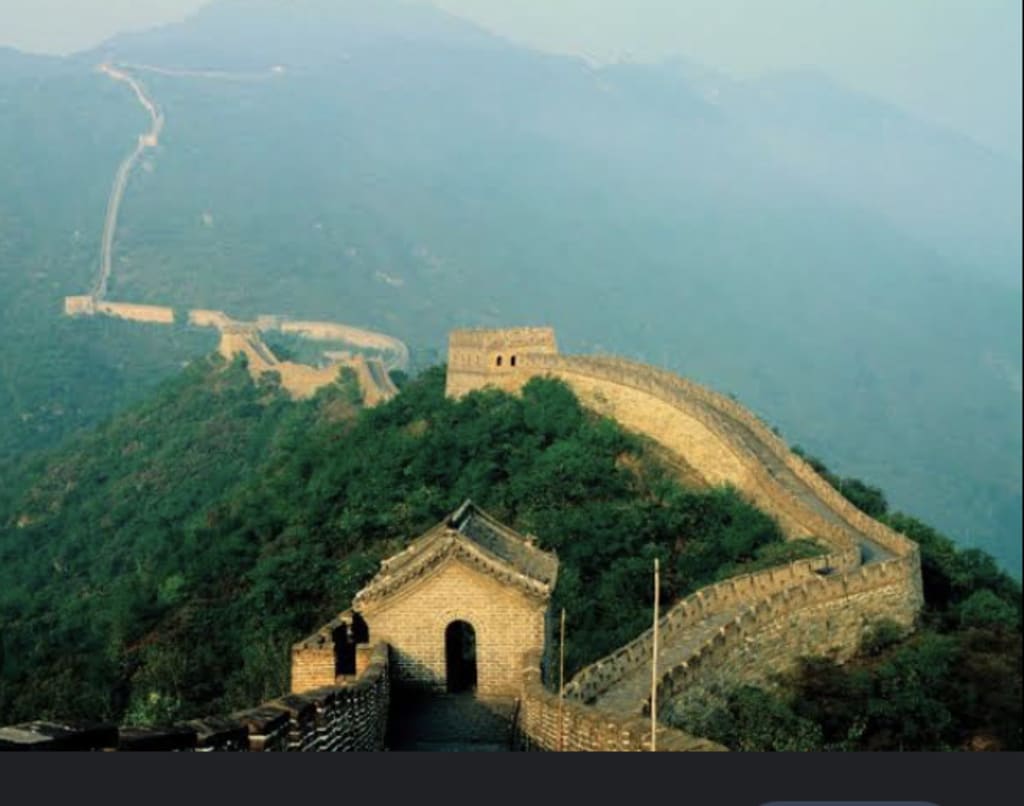
The Great Wall of China is a marvel of engineering, employing a variety of construction techniques adapted to the local topography. The walls were constructed using locally available materials, such as stone, brick, rammed earth, and wood. The most famous sections, like Badaling and Mutianyu, were built using large rectangular bricks. The walls were typically built in layers, with the core composed of compacted earth and rubble, while the outer layers were faced with bricks or stone.
To overcome the challenges posed by rugged terrains, the walls followed the natural contours of the land, snaking along mountain ranges, ridges, and valleys. They were often constructed with watchtowers, beacon towers, and fortresses at strategic locations to enable communication and provide defensive positions. These watchtowers also served as observation points, allowing guards to spot potential invaders from a distance.
3. Cultural Significance
Beyond its military purpose, the Great Wall of China holds immense cultural significance for the Chinese people. It symbolizes the unity and resilience of the nation, representing the collective efforts of countless workers, soldiers, and engineers. The walls also acted as a means of cultural exchange, facilitating trade and communication along the Silk Road, as well as the spread of ideas, art, and technology.
The Great Wall has inspired numerous artistic and literary works throughout history. It has become an emblematic icon of China, attracting millions of visitors each year. Recognized as a UNESCO World Heritage site, it is a testament to human creativity, endurance, and the pursuit of monumental goals.
4. Enduring Legacy
The Great Wall of China's legacy extends far beyond its physical presence. It stands as a powerful reminder of China's rich history, architectural brilliance, and the indomitable spirit of its people. It serves as a major tourist attraction, drawing visitors from all corners of the globe, and generating revenue that contributes to the local economy.
Preserving and maintaining the Great Wall is an ongoing endeavor, requiring continuous restoration and conservation efforts. Several sections have undergone restoration projects to protect them from erosion, weathering, and damage caused by human activities.
Certainly! Here's the continuation of the article:
Conclusion
The Great Wall of China is an extraordinary feat of engineering and an enduring symbol of China's heritage. Its monumental scale, historical significance, and breathtaking landscapes continue to captivate the world. While the primary purpose of the walls was defensive, they have transcended their original intent, becoming a source of national pride and a testament to human ingenuity.
Today, the Great Wall stands as a bridge connecting the past and present, serving as a cultural touchstone that unites people from different backgrounds and generations. It is a monument that showcases the indomitable spirit of the Chinese civilization, reminding us of the triumphs and challenges faced by ancient societies.
As technology advances and globalization continues to reshape the world, the Great Wall of China remains a steadfast reminder of the importance of preserving our cultural heritage and embracing the lessons of history. It serves as a beacon of inspiration, reminding us of the heights humanity can reach when we come together to achieve a common goal.
Future generations will undoubtedly continue to marvel at the impressive fortifications, majestic landscapes, and the enduring legacy of the Great Wall of China. It will forever stand as a testament to the remarkable achievements of the past and inspire us to strive for greatness in the future.
In conclusion,
the Great Wall of China is much more than a physical barrier. It is a symbol of human resilience, a testament to the ingenuity of ancient civilizations, and a cultural treasure that continues to leave a lasting impact on the world. It serves as a reminder of the power of human collaboration, determination, and the enduring legacy of the Chinese people. The Great Wall of China truly stands as one of the greatest architectural achievements in human history.
About the Creator
Keep reading
More stories from Kenneth Bassford and writers in Art and other communities.
African Culture
Introduction: Africa, the second-largest continent on Earth, is a land of remarkable beauty and cultural diversity. From its expansive savannas and breathtaking landscapes to its rich history and vibrant traditions, Africa is a continent that captivates the imagination. With over 50 countries encompassing a wide range of ecosystems and ethnic groups, Africa is a treasure trove waiting to be explored. In this article, we will delve into the unique characteristics, cultural heritage, and natural wonders that make Africa an extraordinary continent.
By Kenneth Bassford3 years ago in History
'Till Death We Do Art
There would be nothing divine in this world without art. Nature may surpass the divine to all intents and purposes, but like everything it absorbs and is absorbed by, it remains here, stuck on the surface of this world, ever-present, physically bound to the universe.
By Avocado Nunzella BSc (Psych) -- M.A.P 26 days ago in Art
The Rise of Decentralized Social Media and What It Means for Content Creators
For most of the past two decades, a small number of centralized platforms have dominated the social media landscape. Companies like Facebook, Instagram, X (formerly Twitter), and TikTok built massive ecosystems that attracted billions of users, but they did so under a model where the platform holds ultimate control over content, data, and revenue distribution. Creators who poured time and energy into building audiences on these platforms often found themselves at the mercy of opaque algorithms, sudden policy changes, and revenue-sharing structures that heavily favored the platform itself.
By Chaturbateme4 days ago in Art




Comments
There are no comments for this story
Be the first to respond and start the conversation.