
Adolf Hitler You Must Know
Remember the name The Dictator Adolf Hitler


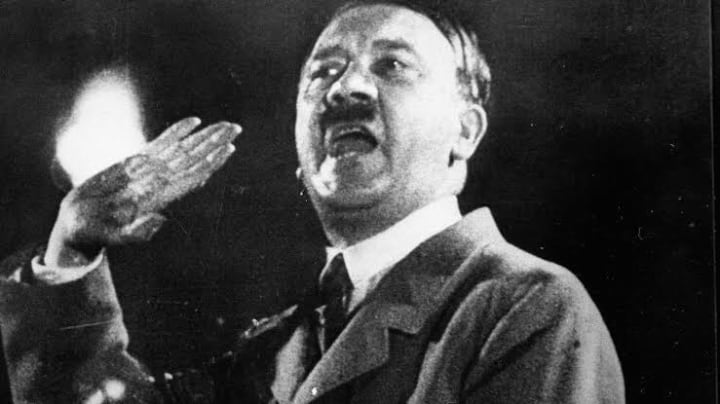
Adolf Hitler, one of the most infamous figures in history, led Nazi Germany from 1933 to 1945, orchestrating events that culminated in World War II and the Holocaust. His actions left an indelible mark on the 20th century, causing immense suffering and shaping global politics. This article explores Hitler’s life, his motivations, key aspects of his regime, and the primary purposes of the war he initiated.
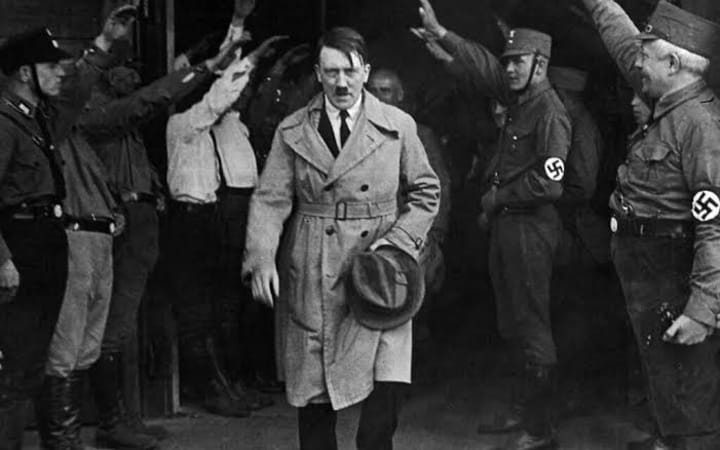
Early Life and Rise to Power
Born on April 20, 1889, in Braunau am Inn, Austria, Hitler grew up in a middle-class family. His early aspirations as an artist were thwarted by repeated rejections from the Vienna Academy of Fine Arts, leading to a period of poverty and resentment. During World War I, he served as a corporal in the German army, earning commendations but also absorbing nationalist and anti-Semitic ideologies. After the war, Germany’s defeat and the harsh Treaty of Versailles fueled his discontent.
Hitler joined the German Workers’ Party in 1919, which later became the National Socialist German Workers’ Party (Nazi Party). His charisma and propaganda skills propelled him to leadership. By exploiting economic instability, widespread unemployment, and national humiliation, he gained support. In 1933, he was appointed Chancellor of Germany, consolidating power through the Enabling Act, which allowed him to enact laws without parliamentary approval, effectively establishing a dictatorship.
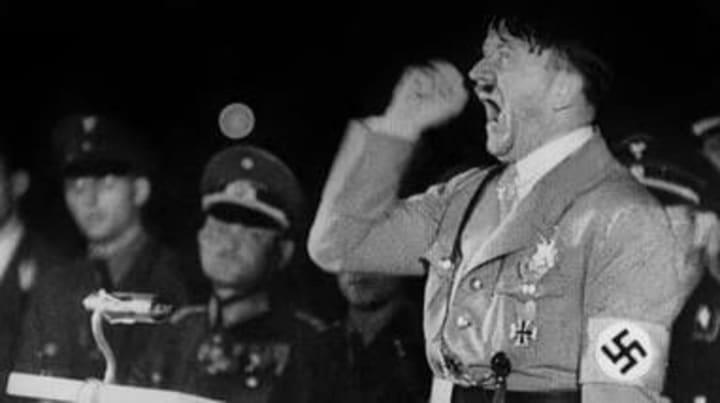
Reasons for Hitler’s Actions
1. Ideological Obsession: Hitler was driven by a fanatical belief in Aryan racial superiority and anti-Semitism, as outlined in his manifesto, Mein Kampf. He scapegoated Jews for Germany’s economic and social woes.
2. Nationalist Ambition: He sought to restore Germany’s pre-World War I glory, rejecting the Treaty of Versailles and aiming to unify all German-speaking peoples.
3. Expansionist Vision: His concept of Lebensraum (living space) justified territorial expansion into Eastern Europe to provide resources and land for the German population.
4. Economic Recovery: Hitler capitalized on Germany’s economic despair, promising jobs and stability through militarization and public works, which bolstered his domestic support.
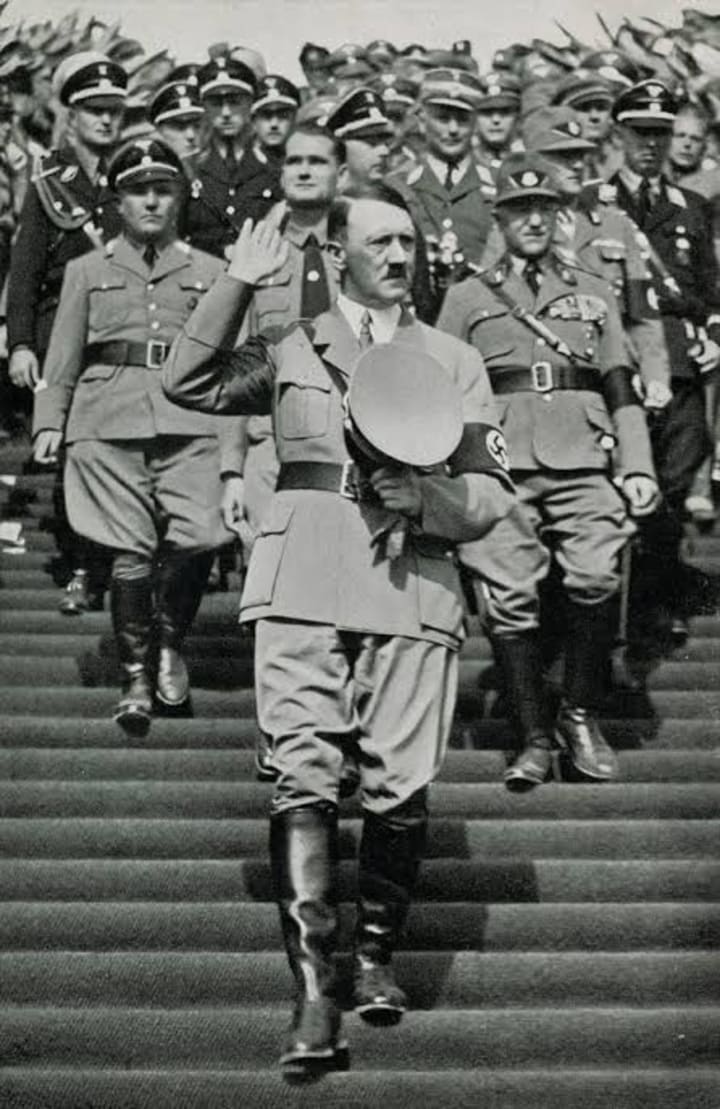
Key Points of Hitler’s Regime
- Totalitarian Control: Hitler dismantled democratic institutions, suppressed opposition, and controlled media, education, and culture through propaganda led by Joseph Goebbels.
- Militarization: He rebuilt Germany’s military, violating the Treaty of Versailles, and pursued aggressive foreign policies, annexing Austria (1938) and Czechoslovakia’s Sudetenland (1938).
- The Holocaust: Under Hitler’s orders, the Nazis systematically murdered six million Jews and millions of others, including Romani people, disabled individuals, and political dissidents, in concentration and extermination camps.
- World War II: Hitler’s invasion of Poland in 1939 triggered the war, which expanded across Europe, Africa, and Asia, involving major powers and causing unprecedented destruction.
- Downfall: By 1945, Allied forces closed in on Germany. Hitler committed suicide in Berlin on April 30, 1945, as the Soviet army approached, marking the collapse of the Third Reich.
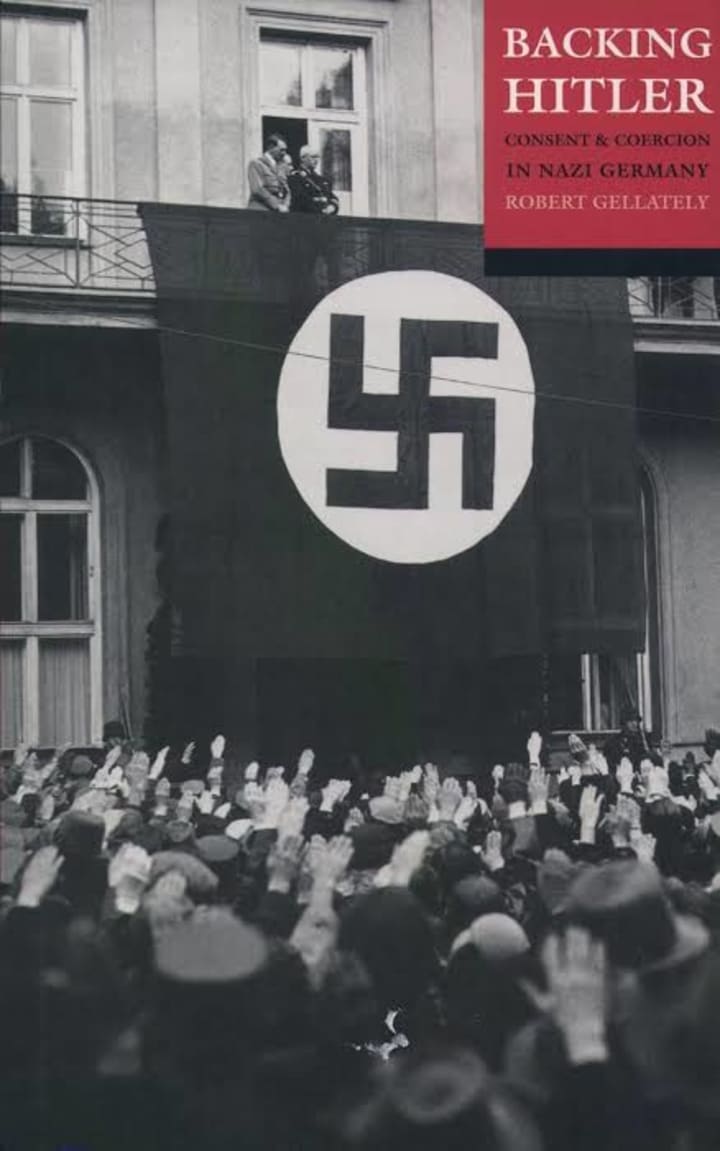
Main Purpose of the War
Hitler’s primary purpose for initiating World War II was to achieve global dominance for Nazi Germany through territorial expansion and the establishment of a racially “pure” empire. The concept of Lebensraum drove his ambition to conquer Eastern Europe, particularly Poland and the Soviet Union, to secure land for German settlers and resources to sustain the Reich. Additionally, the war served to enforce his ideological goals, including the eradication of Jews and other groups he deemed inferior, as part of his vision for a new world order. The conflict also aimed to reverse the perceived injustices of the Treaty of Versailles and assert Germany’s supremacy, though it ultimately led to catastrophic defeat.
Conclusion
Adolf Hitler’s legacy is one of devastation, marked by unparalleled human suffering and moral atrocities. His rise to power exploited economic and social vulnerabilities, while his ideological fanaticism fueled a war that reshaped the world. Understanding Hitler’s motivations and actions remains critical to preventing the recurrence of such horrors, emphasizing the importance of vigilance against authoritarianism and hatred
About the Creator
Am@n Khan
I'm educational storyteller passionate about turning knowledge into engaging narratives.
I write about topics like science, history and life skills.
Contact
WhatsApp : +923336369634
Tilla Jogian: The Sacred Hill of Jhelum Where Kings, Saints, and Lovers Have Sought Their Prayers
In the rugged landscape of Punjab’s Potohar Plateau, overlooking the plains of Jhelum, rises a mysterious and historic hill known as Tilla Jogian. For centuries, this remote hilltop has drawn kings, saints, ascetics, and ordinary travelers who climb its steep paths seeking blessings, power, love, or spiritual enlightenment. The name “Tilla Jogian” literally means “Hill of the Yogis,” reflecting its long association with mystics who once meditated there in search of divine truth.
By Irshad Abbasi about 18 hours ago in History
The Politics of Playing Dress-Up
Well, to start off I'd like to say a happy world book day to all who celebrate. I know I haven't really posted anything on my socials about it but I'm not a jubilant kind of person. I lay low most of the time. Let's start off with a popular anecdote from the vaults...
By Annie Kapur6 days ago in Geeks


Comments
There are no comments for this story
Be the first to respond and start the conversation.