
A True Story of the May 2025 India–Pakistan Conflict
#totel story#pak&india#


- In the spring of 2025, South Asia once again stood on the edge of a dangerous conflict. Tensions between India and Pakistan had been simmering quietly, as they often do, but the peace shattered like glass on April 22, when a devastating terrorist attack in Pahalgam, Kashmir, killed 26 civilians, including women and children.
- India blamed the attack on Pakistan-based militant groups, primarily Jaish-e-Mohammed and Lashkar-e-Taiba—names that had echoed many times before in similar tragedies. This time, however, something felt different. The Indian public was furious, social media was ablaze, and calls for retaliation rang louder than ever. With elections looming and national sentiment boiling, the Indian government moved quickly.
- On May 7, the Indian military launched Operation Sindoor—a coordinated campaign of precision missile strikes across the Line of Control (LoC) and deep into Pakistan. The targets included known militant training hubs in Muridke, Bahawalpur, Kotli, and Muzaffarabad. The message was loud and clear: this time, India would not just respond—it would punish.
- According to Indian defense sources, over 100 militants were neutralized, including top commanders. Satellite images and intercepted communications suggested that several facilities were completely destroyed. The attacks were carried out with high-altitude drones, air-launched missiles, and supersonic cruise weapons, avoiding direct combat to minimize casualties on both sides.
- But the quiet didn’t last.
- Retaliation from the West
- On May 10, as the world held its breath, Pakistan retaliated with what it called “Operation Bunyan al-Marsus”. The Pakistan Air Force launched strikes on several Indian forward military bases, attempting to hit fuel depots and radar systems. Cities like Pathankot, Barmer, and Srinagar were put on high alert as air raid sirens wailed.
- India responded with a second wave of attacks, this time striking deeper into Punjab and Sindh, including a devastating raid on the Rahim Yar Khan airbase, allegedly destroying runways and grounded aircraft. India’s advanced Rafale jets played a key role, with electronic warfare support and night-capable targeting systems. Pakistan claimed to have shot down five Indian jets, but India denied the loss.
- As missiles flew and fighter jets roared over contested skies, millions across both nations sat glued to news broadcasts, praying for peace and fearing the worst. Schools were closed. Hospitals were placed on emergency footing. Both countries moved ballistic missile units into readiness. The world began to whisper a word no one wanted to say aloud: nuclear.
- A Call from the World
- As the conflict escalated, international diplomacy kicked into high gear. The United States, along with China, Saudi Arabia, and the United Nations, urged both sides to step back before the situation became uncontrollable.
- On the night of May 10, after more than 72 hours of conflict, a US-brokered ceasefire agreement was reached. India and Pakistan both agreed to halt offensive operations immediately and pull back air forces from border zones. But the cost had already been felt.
- Aftermath and Reflection
- Though the war officially lasted less than four days, it left behind a trail of destruction and diplomatic scars. India claimed a strategic and moral victory, stating that the world had witnessed its resolve against terrorism. In Uttar Pradesh, 17 newborn girls were named “Sindoor”, in honor of the military operation.
- In Pakistan, however, emotions were mixed. Some viewed the response as necessary defense; others criticized the leadership for not being adequately prepared. There were internal debates about military coordination and the increasing reliance on foreign-supplied aircraft and weapons.
- On social media, citizens from both countries shared photos of destroyed schools, bomb shelters, and injured civilians. Hashtags like #NoMoreWar, #PrayForPeace, and #Sindoor2025 trended across platforms. While politicians made speeches and generals gave press briefings, ordinary people on both sides mourned the lives lost and futures broken.
- A Fragile Peace
- The ceasefire held, but not without tension. Sporadic drone sightings and minor cross-border shelling were reported even after the agreement. Diplomatic channels remained hot, and a new wave of negotiations began—this time with more pressure from global superpowers.
- In the end, this short but sharp war served as a brutal reminder of how fragile peace can be in South Asia. In less than 100 hours, two nuclear-armed neighbors had stood just a breath away from a catastrophic escalation. And once again, it was diplomacy—backed by fear and history—that saved the day.
- Final Note
- To some, this war was about vengeance. To others, it was a show of strength. But for the mothers who lost children, for the pilots who never came home, and for the border villagers who still can’t sleep at night—it was nothing but another chapter in a long, painful story that both nations are still writing.
About the Creator
Keep reading
More stories from saqiab khan and writers in History and other communities.
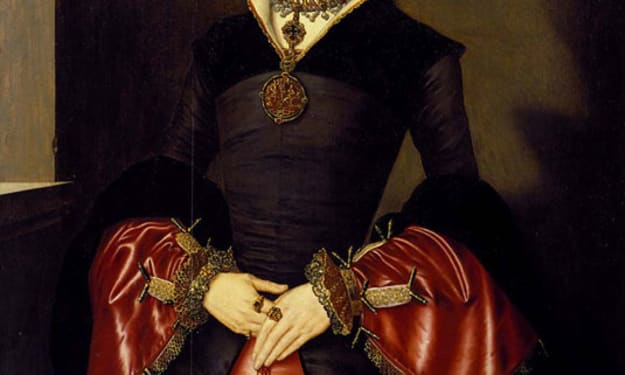
The Bloody Red Queen
Mary 1st of England—often remembered by the nickname “Bloody Mary”—was one of the most controversial monarchs in English history. Her life was shaped by dynastic politics, religious conflict, and personal hardship. As the first woman to rule England in her own right, Mary’s reign marked a critical turning point in the religious and political development of the country. Though her rule was relatively short, from 1553 to 1558, her life story reveals the immense challenges she faced as a queen determined to restore Catholicism in a nation that had largely turned toward Protestantism.
By Dragon Matthew Wood - Hillman3 days ago in History
Top tipple tricks
Been thinking a lot about drinking, lately. Not least because of a recent episode of over-indulgence and the inevitable after effects. Some readers may recall the earlier articles I wrote about beating the booze. Here I set out an experiment in techniques for cutting down on my alcohol intake. The experiment was successful, the techniques worked, and I have armed myself with an arsenal of weapons in the war against the demon drink. I have yet to fire the first round however. It's all a question of timing (perhaps procrastination).
By Raymond G. Taylor7 days ago in Psyche



Comments
There are no comments for this story
Be the first to respond and start the conversation.