
A Tribute to the African Natural Hair
The African Natural Hair
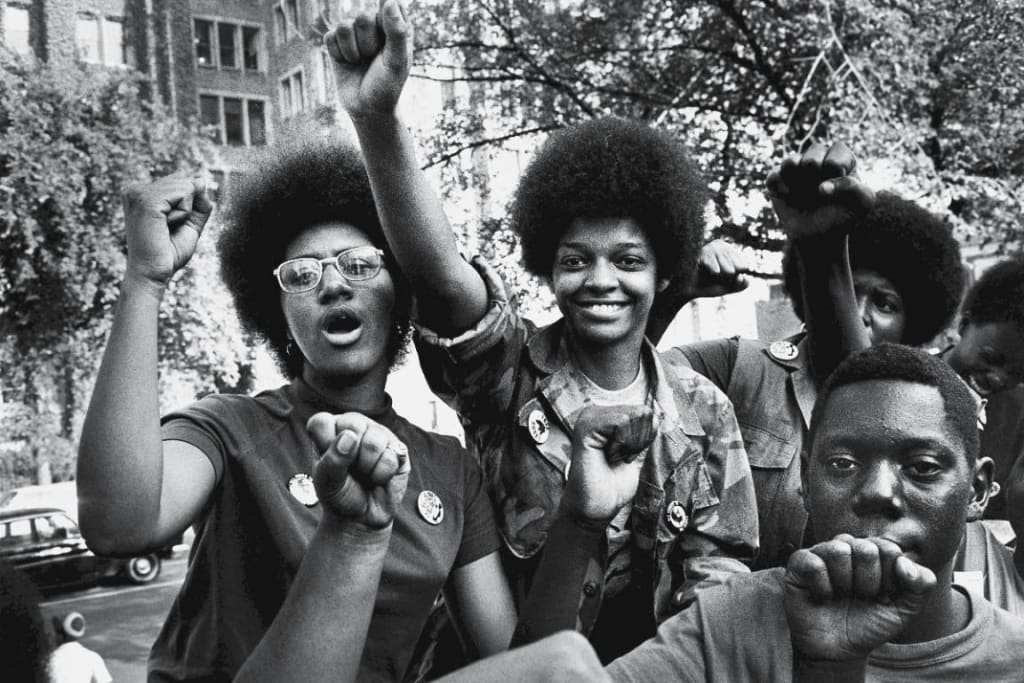
African hair, particularly natural Afro-textured hair, is a subject of fascination, pride, and cultural significance. With its unique characteristics, this hair type has been historically celebrated and at times misunderstood. Afro-textured hair is known for its coils, curls, and often gravity-defying shapes. However, there’s more to this remarkable hair than just its outward appearance. To fully appreciate the beauty and complexity of African hair, we need to delve into the scientific, cultural, and historical aspects that shape its identity.
Structure of African Hair
The most notable characteristic of African hair is its unique texture, which is largely determined by the shape of the hair follicle. Hair grows from follicles embedded in the skin, and the shape of the follicle dictates whether hair will be straight, wavy, curly, or coiled. African hair follicles are typically oval or elliptical in shape, which leads to tightly coiled strands of hair.
This coil pattern gives African hair its volume and density, but it also has implications for moisture retention. Curly and coiled hair types, like those found in many people of African descent, are more prone to dryness because the natural oils produced by the scalp, known as sebum, find it difficult to travel down the twists and turns of the hair shaft. This is why moisture is a critical aspect of maintaining African hair, and specialized hair care routines often focus on hydrating and nourishing the hair to prevent breakage and dryness.
Defying Gravity
One of the most visually striking features of Afro-textured hair is its ability to "defy gravity." Unlike straight or wavy hair that tends to lay flat or fall downward due to the force of gravity, Afro-textured hair grows outward and upward. This is particularly evident when the hair is worn in natural styles like afros, twists, and Bantu knots.
The coiled structure of African hair allows it to hold its shape in a variety of styles. The tight curls create volume that often pushes the hair upwards instead of down. This feature has made Afro-textured hair a symbol of strength, pride, and identity, especially during movements like Black Power in the 1960s and 1970s, when afros were worn as a political statement.
Moreover, African hair can be shaped into gravity-defying styles due to its density and texture. For example, many hairstyles like braids, dreadlocks, and intricate up-dos rely on the natural ability of African hair to hold its form. The texture provides enough grip to maintain elaborate styles without the need for excessive hair products or tools.
Hair Growth Patterns
It is a common misconception that African hair does not grow as fast or as long as other hair types. In reality, African hair grows at the same rate as other types, approximately half an inch per month. However, the tight curl pattern can make hair appear shorter than it actually is due to shrinkage—a phenomenon where coiled hair contracts, reducing its visible length. Shrinkage can cause African hair to appear as if it’s not growing, even though it is. In fact, when stretched, many individuals with Afro-textured hair find that their hair is significantly longer than it appears in its natural state.
However, because Afro-textured hair is more prone to dryness and breakage, it often requires more care and attention to retain length. Many hair care regimens for natural African hair focus on protective styling, regular moisturizing, and gentle handling to minimize breakage and encourage length retention.
Versatility and Styling
African hair is incredibly versatile, capable of being styled in countless ways. The tight curl pattern allows for a wide range of styles that can be worn short, long, braided, twisted, locked, or free. Some of the most popular and culturally significant hairstyles include:
1. Afro: A natural hairstyle where the hair is allowed to grow out from the scalp, creating a spherical shape that is both eye-catching and iconic.
2. Braids: Braiding hair has long been a tradition in African cultures, and it continues to be a popular style for both aesthetic and protective reasons. Box braids, cornrows, and micro-braids are just a few of the many braiding techniques used.
3. Dreadlocks: Dreadlocks, or "locs," are formed by matting the hair into rope-like strands. This style has deep cultural and spiritual significance in various African and African diaspora communities.
4. Twists: Twists are created by twisting two strands of hair together, and they can be worn loose or styled into more complex up-dos.
5. Bantu Knots: This traditional African hairstyle involves sectioning the hair and twisting it into small, tight buns that sit close to the scalp.
Each of these styles carries cultural significance and allows individuals to express themselves while also protecting the hair from environmental damage.
Cultural and Historical Significance
The significance of African hair extends far beyond its physical characteristics. Historically, hair was a symbol of social status, family background, and tribal affiliation in many African cultures. Hairstyles could indicate a person's marital status, age, religion, or rank within their community. For example, intricate braiding patterns were often passed down through generations, with specific styles representing different regions, tribes, or even professions.
During the transatlantic slave trade, African people were stripped of their cultural identities, including their hairstyles, as their heads were often shaved as a means of dehumanization. Despite this, African hair remained a source of resilience and identity for many in the African diaspora. Enslaved Africans in the Americas continued to braid their hair as a way to maintain connections to their heritage, and certain styles became symbols of resistance and defiance against oppressive systems.
In more recent history, African hair has played a significant role in social and political movements. During the Civil Rights Movement and the Black Power Movement, natural hair—especially afros—became a symbol of pride and solidarity among African Americans. Rejecting the Eurocentric beauty standards that had long dominated society, many people began embracing their natural hair as a way of affirming their identity and heritage.
Hair Care Challenges and Misconceptions
Due to the unique structure of Afro-textured hair, it requires specific care to maintain health and prevent damage. One of the most common challenges is managing moisture. Because the natural oils produced by the scalp have difficulty traveling down the twists and turns of the hair shaft, African hair is more prone to dryness, which can lead to breakage and brittleness.
To combat this, many individuals with Afro-textured hair adopt moisturizing routines that include using products like leave-in conditioners, oils, and creams to lock in moisture. Protective styles like braids, twists, and buns are also used to protect the hair from environmental factors that can cause damage, such as heat, wind, and friction.
Another common challenge is dealing with misconceptions about African hair. For a long time, societal beauty standards promoted straight hair as the ideal, leading many people with Afro-textured hair to feel pressure to chemically straighten or alter their natural hair texture. However, in recent decades, there has been a resurgence in the appreciation of natural hair, with movements like the natural hair movement encouraging individuals to embrace their natural texture without feeling the need to conform to Eurocentric standards of beauty.
The Natural Hair Movement
The natural hair movement, which gained momentum in the early 2000s, celebrates Afro-textured hair in its natural state. It encourages people of African descent to embrace their curls, kinks, and coils rather than chemically straighten their hair or use heat to alter its texture. This movement has empowered many people to see the beauty in their natural hair and reject societal pressures to conform to narrow beauty standards.
The movement has also led to the development of a wide range of hair care products specifically designed for Afro-textured hair. From shampoos and conditioners that focus on hydration to styling creams and oils that help define curls and minimize frizz, the market for natural hair care products has grown significantly in response to this demand.
A Song for the African Hair
Crown of Curls
Verse 1:
I wake up in the morning, with the sun on my face,
My hair’s like a jungle, every strand in its place.
It spirals, it twists, reaching up to the sky,
A crown on my head, and I’m standing high.
Pre-Chorus:
They say it’s wild, untamed, but they don’t know the truth,
Each curl tells a story, of pride and of roots.
From the motherland’s soil, to the winds of the sea,
My hair is a symbol of all that’s free.
Chorus:
Oh, my African hair, defying the rules,
Twisting and turning, so natural and cool.
It’s the strength of my past, the pride that I wear,
Oh, I carry my crown — my African hair.
Verse 2:
Braids in the moonlight, bantu knots in the day,
Locs that hold history in every sway.
It speaks without words, says I'm bold, I’m strong,
My roots run deep, where I belong.
Pre Chorus
Each kink and coil, has a rhythm, a song,
A dance in the wind, where I know I belong.
From the hills of Ghana, to the shores of Brazil,
My hair is a journey, it moves where it wills.
Chorus:
Oh, my African hair, defying the rules,
Twisting and turning, so natural and cool.
It’s the strength of my past, the pride that I wear,
Oh, I carry my crown — my African hair.
Bridge:
It bends but won’t break, it shines in the rain,
A symbol of beauty, through struggle and pain.
So, I rise like a queen, with a smile and a flare,
For I’m more than enough with my African hair.
Chorus:
Oh, my African hair, defying the rules,
Twisting and turning, so natural and cool.
It’s the strength of my past, the pride that I wear,
Oh, I carry my crown — my African hair.
Chorus:
Yeah, I carry my crown, my African hair,
A story of freedom, floating through the air.
Bold and untamed, a crown I will share,
With the world, this beauty of African hair.
About the Creator
Emma Ade
Emma is an accomplished freelance writer with strong passion for investigative storytelling and keen eye for details. Emma has crafted compelling narratives in diverse genres, and continue to explore new ideas to push boundaries.
The Year 1991 in Review: Fun Facts, Trivia, and Historic Highlights
This quick read is a collection of fun facts, trivia, and historic events from the year 1991. Discover the year’s top news stories, most influential people, sports facts, historic firsts, entertainment trivia, and much more.
By Gregory DeVictor5 days ago in History



Comments
There are no comments for this story
Be the first to respond and start the conversation.