
A Story of Tradition and Trade
stories of opium in Pakistan

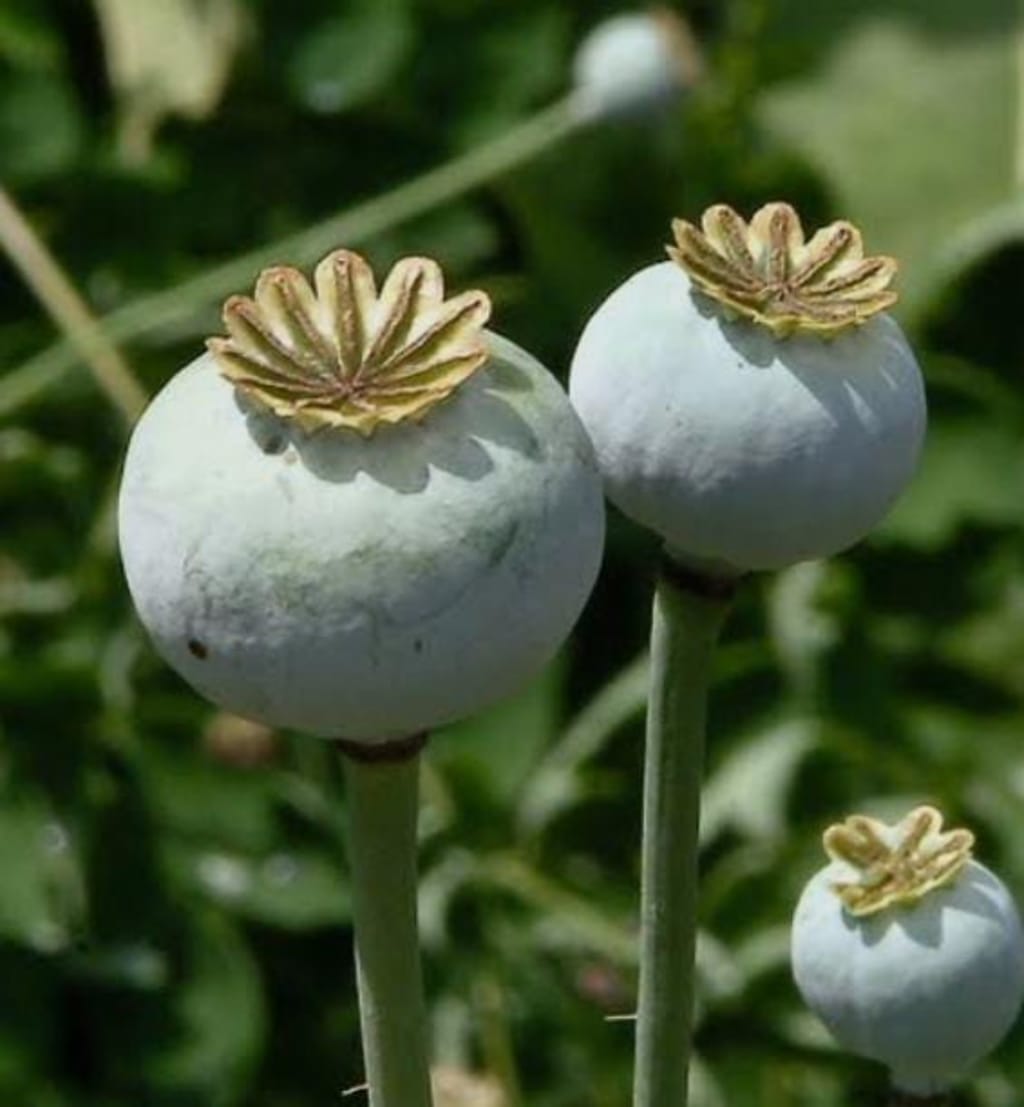
The opium poppy plant (Papaver somniferum) has a long, complex, and often hidden history in Pakistan. While cultivation is strictly regulated or illegal in most areas, the plant and its products—particularly opium—have shaped parts of rural life, criminal networks, and even international politics. Below are a few stories and perspectives about opium in Pakistan, combining historical facts, local lore, and the realities of borderland life.
1. The Hidden Valleys of Khyber: A Story of Tradition and Trade
In the rugged, mountainous tribal areas near the Afghan border, opium has been more than a narcotic—it’s been a form of currency, a medicinal herb, and a symbol of power. During the Soviet-Afghan war (1979–1989), Pakistani tribal regions became a transit hub for weapons and opium.
Local elders still tell stories of "golden powder caravans" that passed through the Khyber Pass, guarded by tribal fighters and smugglers. Many families were caught between poverty and profit. One such tale is of Gul Zaman, a village elder who once cultivated poppies to pay for his daughter’s wedding but later saw three of his sons fall into addiction. He abandoned the crop and became a vocal supporter of eradication—his story is one of remorse and redemption.
2. Balochistan’s Dusty Trails and the Desert Highway
Balochistan, with its vast deserts and sparse law enforcement, has been a smuggling corridor for opium and heroin from Afghanistan to Iran and beyond. There’s an often-repeated tale of the "Night Convoy", a string of trucks that would cross from Helmand to Turbat, each loaded with poppy resin concealed under crates of mangoes or onions.
Drivers speak in whispers of bribes, ambushes, and invisible deals struck under stars. These aren’t just criminal enterprises—entire communities survive on this illicit trade. A schoolteacher in Panjgur once admitted: “If poppy goes, our school may close. No one will pay.”
3. Opium and Healing: Folk Medicine in Rural Punjab
In some rural areas of South Punjab, opium isn’t just about addiction or crime. It's a part of indigenous healing traditions. Midwives (known as dai) once used opium in small doses to calm laboring women or to quiet colicky babies. Even now, in some villages, elders crush dried opium into “gurh” (jaggery) and administer it as a painkiller.
One such healer, Mai Hajran, was famous in her village for treating everything from toothaches to snake bites. She believed the plant had divine blessings. While controversial, her story highlights the duality of opium—a cure and a curse.
4. The Opium King of Swabi
In the late 1990s, Swabi District in Khyber Pakhtunkhwa became infamous for a man known only as “Khan Baba”. A former Mujahideen fighter turned drug baron, he allegedly ran one of the most efficient heroin-processing labs in Pakistan. His legend includes opium fields hidden under maize, bribed police, and a white stallion he rode through his village like a feudal lord.
In 2004, after a crackdown by the Anti-Narcotics Force (ANF), Khan Baba vanished. Some say he was arrested and imprisoned abroad; others whisper he lives in Dubai under a new identity. His rise and fall became the stuff of folk legends, cautionary tales told in the tea shops of Swabi.
5. Modern Realities: Opium Addiction in Karachi
While opium cultivation has decreased, addiction has not. In cities like Karachi, heroin (refined from opium) has devastated entire neighborhoods. The Lyari district, once known for its football talent, became a battleground for drug mafias and gangs. Many addicts trace their beginnings to cheaper "brown sugar" heroin smuggled from Afghanistan.
Non-profits like AAS Trust and Karwan-e-Hayat work to rehabilitate users, and each recovering addict has a story to tell—of pain, poverty, loss, and hope. One young man, Shahbaz, lost his father and brother to heroin. His recovery journey became a documentary on Pakistani television, sparking a national conversation about drugs and mental health.
Conclusion
The opium plant in Pakistan carries with it a mixture of mystery, history, suffering, and resilience. From the highlands of Khyber to the alleys of Karachi, it has left an imprint—sometimes whispered, sometimes shouted—across generations. Whether seen as a tool of tradition, a scourge of addiction, or a weapon of the powerful, its stories remain deeply rooted in the cultural soil of Pakistan.
About the Creator
Shaping South Asia’s Historical Narrative
In the annals of South Asian history, few figures evoke as much discussion and debate as Mahmud of Ghazni. The ruler of the Ghaznavid Empire, Mahmud (971–1030 CE), is remembered not only for his military campaigns but also for his repeated raids into the Indian subcontinent, culminating in the infamous attack on the Somnath Temple in 1025 CE. This episode has become a central reference point in the region’s historical narrative, influencing perceptions of conquest, religion, and politics for centuries.
By Irshad Abbasi about 24 hours ago in History



Comments
There are no comments for this story
Be the first to respond and start the conversation.