
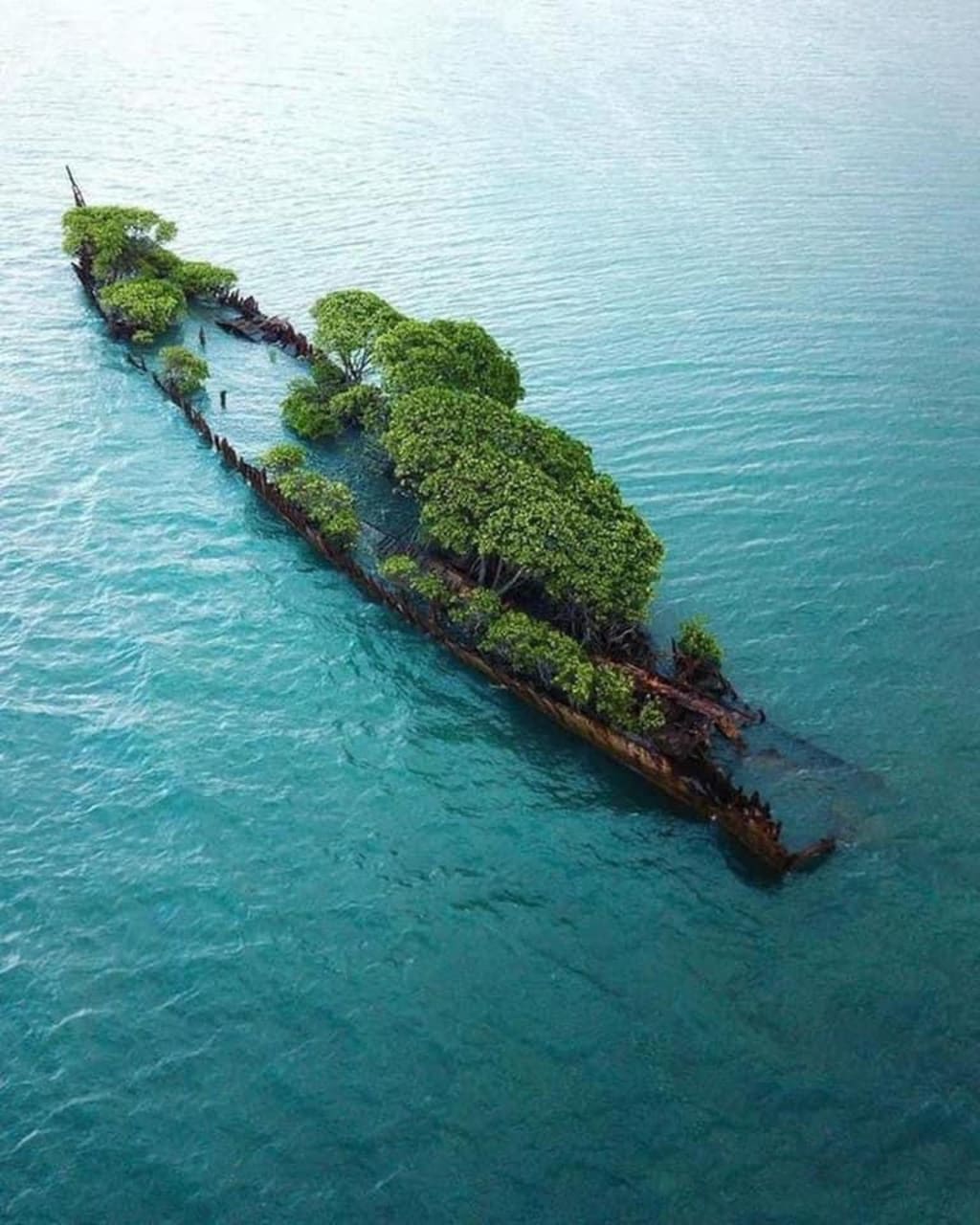
While the Titanic disaster is undoubtedly one of the most famous shipwrecks in history, there have been other maritime tragedies that were even more tragic in terms of loss of life. One such example is the Sultana Steamboat disaster that occurred on April 27, 1865. The Sultana was a large wooden boat that operated between St. Louis and New Orleans, capable of carrying around 350 passengers. However, on that fateful day, it was carrying over 2,000 people, including a large group of former prisoners.
The Sultana had experienced boiler problems and was undergoing repairs in Vicksburg when the opportunity to transport the ex-prisoners arose. Despite the boiler not being fully repaired, the captain decided to set sail, driven by the desire to earn more money. The ship faced multiple risks, including a broken boiler, an excess number of passengers, a lack of lifeboats, and unfavorable river conditions.
As the Sultana sailed up the Mississippi River, one of the biggest floods in history occurred, causing the river to overflow its shores. The ship struggled against the powerful current, putting additional strain on the faulty boiler. When the Sultana reached Memphis, Tennessee, it loaded even more passengers and cargo, making it incredibly heavy. At around 2 am, just seven miles north of Memphis, the overloaded and broken boiler exploded, leading to a devastating fire.
The exact number of casualties in the Sultana disaster remains unknown, with estimates ranging from 961 to 1,800 people. This tragedy is considered the most tragic shipwreck in the history of the United States. However, it received little attention at the time due to the recent assassination of President Abraham Lincoln, which had captured the nation's attention.
Another shipwreck more recent than the Sultana disaster occurred in 2002 involving the ferry Le Joola, a Senegalese vessel. The ferry, which mainly operated along the coast of Dakar, experienced a malfunction and was awaiting repairs for almost a year. However, poor maintenance led to severe problems during its last voyage.
During a strong storm on September 26, 2002, the overloaded Le Joola encountered high waves that caused it to capsize. The ship was only built for sailing in coastal waters, but it had ventured too far from the shore. The passengers, who far exceeded the ship's capacity, faced a terrifying ordeal as they were trapped inside the vessel. Due to delayed rescue efforts, many passengers had to endure almost four days before they were rescued. Only a few managed to survive.
The Philippines has also experienced devastating shipwrecks, with one of the most tragic occurring on September 20, 1987. The ferry Dona Paz collided with the oil tanker Vector, resulting in both ships sinking. With only a few dozen survivors, the exact number of casualties remains uncertain. This disaster highlighted the dangers of navigating in the Philippines' shallow waters and the need for improved safety measures.
Ferry Dona Paz, also known as MV Dona Paz, was a passenger ferry that operated in the Philippines. It was built in 1963 and was owned by Sulpicio Lines. The ship had a capacity of 1,518 passengers and was primarily used for transporting people and cargo between the islands of Leyte and Manila.
On December 20, 1987, one of the deadliest maritime disasters in history occurred when the ferry collided with the oil tanker MT Vector in the Tablas Strait, near the island of Mindoro. The exact circumstances of the collision are still disputed, but it is believed that both ships were operating without proper navigational equipment and had inadequate safety measures in place.
The collision caused a massive explosion and fire, engulfing both vessels in flames. The fire spread rapidly, making it difficult for passengers and crew to escape. It is estimated that around 4,386 people died as a result of the disaster, although the exact number is uncertain due to the lack of an accurate passenger manifest.
The tragedy of the Ferry Dona Paz highlighted the poor safety standards and lack of regulation in the Philippine maritime industry. It led to reforms in safety regulations and the establishment of the Maritime Industry Authority (MARINA) to oversee and regulate the country's maritime industry.
The Dona Paz disaster remains one of the deadliest peacetime maritime tragedies in history and serves as a reminder of the importance of proper safety measures and regulation in the shipping industry.
These shipwrecks serve as reminders of the inherent risks associated with maritime travel and the importance of implementing strict safety regulations and proper maintenance to prevent such tragedies.
About the Creator
Keep reading
More stories from mark kemuel and writers in History and other communities.
The Great History of Circumcision: A Tradition Spanning Millennia
The Great History of Circumcision: A Tradition Spanning Millennia Introduction: Circumcision, the surgical removal of the foreskin, has a rich and storied history that dates back thousands of years. While its origins are shrouded in mystery, this ancient practice has been performed by various cultures and civilizations across the globe. In this blog, we will delve into the great history of circumcision, exploring its cultural, religious, and medical significance throughout time.
By mark kemuel3 years ago in Education
Power's Sake
When it comes to gaining power, bad people use it to gain more They never gain power to do something with it, they gain power to have it, relish in it, double it down on itself so it grows exponentially and never goes anywhere. Even if you see the people in power commit an atrocity, that is never the true goal. It is a deplorable action for sure but the action itself usually doesn't matter it's the outcome.
By Donny Foley3 days ago in History
Military Strength of Alexander the Great and the Chola Empire: A Historical Comparison
Though separated by more than a thousand years and operating in vastly different geographical and cultural contexts, both forces achieved extraordinary success through discipline, innovation, and strategic brilliance. This article explores the history, composition, size, organization, and military strength of Alexander’s Macedonian army and the Chola military, highlighting how each became a dominant power of its era.
By Say the truth 3 days ago in History
Miss Persephone's Manual to a Seemingly Ordinary Life
Miss Persephone was found at the dining table, her blue eyes swollen, her tears arriving and retreating like the tides of the ocean. Earlier that day, her family had visited her in the retirement home where she had lived for eight years. It was her eightieth birthday.
By Imola Tóth2 days ago in Fiction




Comments
There are no comments for this story
Be the first to respond and start the conversation.