
A Journey Through Time: The Evolution of Furniture Design
Furniture is more than just functional objects; it serves as a canvas reflecting our history, creativity, and cultural values. From the utilitarian pieces of the medieval period to today's sleek, sustainable designs, the evolution of furniture showcases humanity's journey through time. Let’s embark on an exploration of this fascinating transformation.
The Medieval Era: Function Meets Form
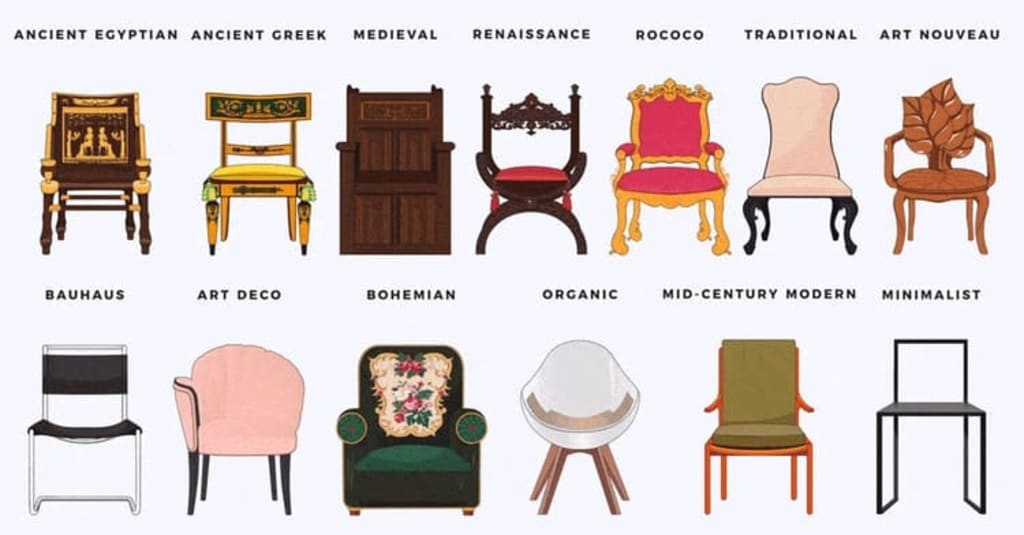
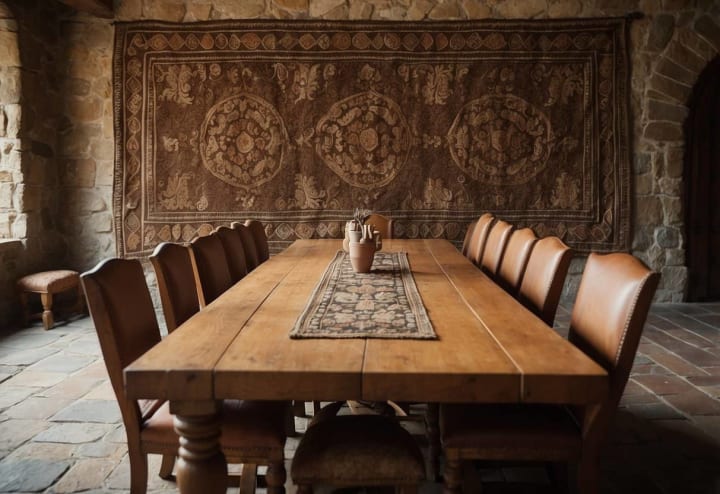
In the medieval era, practicality was the defining characteristic of furniture design. Heavy wooden tables and chairs were the staples of household furnishings, crafted for durability and utility. These pieces were built to withstand the rigors of daily life, reflecting the agricultural and communal lifestyle of the time.
Artisans of this era were skilled craftsmen who incorporated intricate carvings and embellishments into their work. These decorative elements often told stories, depicting religious themes, heraldry, or scenes from daily life. The craftsmanship showcased not just the skills of the artisan but also the values and aspirations of society. For instance, a finely carved chair might indicate the status of its owner, while a simple, functional table reflected a more modest lifestyle. In this way, furniture from the medieval period served a dual purpose: it was functional and a marker of identity.
The Renaissance: A Flourish of Elegance
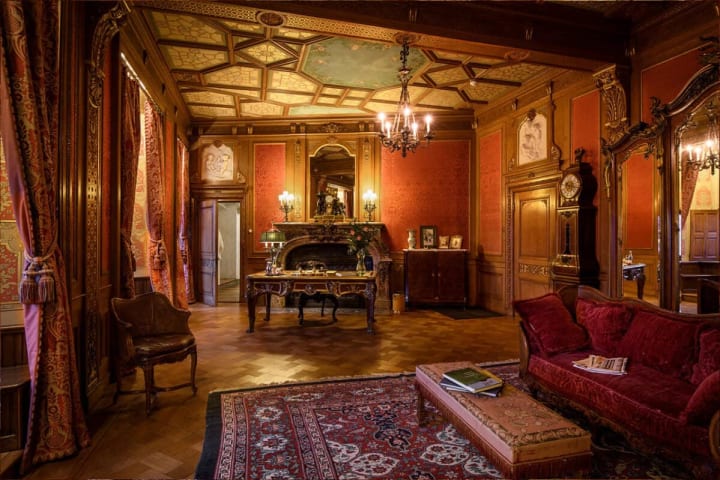
As we moved into the Renaissance, a significant shift occurred in furniture design. This period was characterized by a newfound appreciation for artistry and beauty, influenced by the broader cultural revival of the time. Luxurious materials such as mahogany, walnut, and ivory became popular, and the intricate designs of the medieval era evolved into more elegant forms.
During the Renaissance, furniture became not only functional but also a statement of wealth and sophistication. Ornate details, such as inlays, gilding, and elaborate carvings, were common in pieces like finely crafted sideboards and decorative cabinets. These items transformed living spaces into showcases of opulence, reflecting the status and taste of their owners. The design principles of symmetry and proportion that emerged during this time laid the groundwork for future furniture styles, emphasizing aesthetics alongside functionality.

The Industrial Revolution: A Design Revolution
The Industrial Revolution marked a dramatic turning point in furniture design, introducing mass production and technological advancements. Furniture became more accessible to the general public, which led to a democratization of design. No longer were exquisite pieces limited to the wealthy elite; instead, innovative manufacturing processes allowed for a wider variety of styles at more affordable prices.
During this era, the mid-century modern style began to take shape, emphasizing clean lines, simplicity, and functionality. Designers such as Charles and Ray Eames and Eero Saarinen embraced new materials like molded plywood and fiberglass, leading to innovative forms that catered to modern lifestyles. This was a time of creative exploration, where designers began to prioritize the experience of space, making furniture not just objects but integral components of everyday life.
Today: Sustainability Meets Style
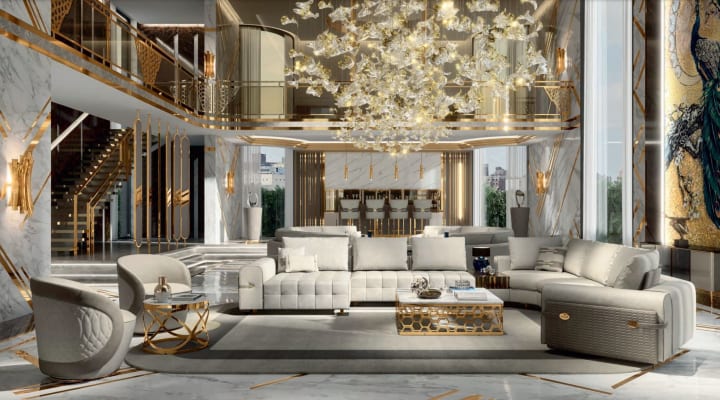
Fast forward to the present day, where furniture design is at the intersection of sustainability and innovation. In a world increasingly aware of environmental issues, modern furniture makers are focusing on eco-friendly materials and production methods. From reclaimed wood to biodegradable materials, sustainability is becoming a crucial consideration in design.
Contemporary furniture often features minimalist aesthetics, with an emphasis on multifunctionality. Pieces are designed to adapt to our fast-paced lifestyles, accommodating smaller living spaces and varied uses. This shift reflects a broader cultural move toward simplicity and efficiency, catering to individual tastes while addressing practical needs.
Additionally, technology has made its way into furniture design, with smart furniture solutions that enhance convenience and usability. Adjustable desks, modular sofas, and integrated charging stations are just a few examples of how innovation is shaping our environments today.
Conclusion: The Timeless Influence of History
As we explore the evolution of furniture design, it becomes clear that historical influences continue to shape contemporary aesthetics. Whether you’re a history lover fascinated by the stories behind each piece or a design enthusiast seeking inspiration for your next project, understanding this journey can offer valuable insights.
From the sturdy craftsmanship of the medieval period to the elegant sophistication of the Renaissance, the creative revolutions of the Industrial Age, and the sustainable innovations of today, furniture remains a reflection of our collective identity. So let’s dive into this journey, inspiring fresh ideas for our spaces while honoring the rich legacy of design that has come before us.
About the Creator
Keep reading
More stories from Opaa Homes and writers in History and other communities.
The Psychology of Furniture: How It Affects Our Mood and Productivity
1. Color and Mood: The Power of Palette Color is more than just a visual element; it significantly impacts our emotions and state of mind. Understanding this can help you choose furniture that enhances your mood and the functionality of each room.
By Opaa Homesabout a year ago in Education
World War I
The morning fog lay thick over the trenches of northern France, clinging to the earth as if it too feared what was about to happen. Private Thomas Hale pulled his coat tighter around himself, though it did little to stop the cold from seeping into his bones. He had been in the trenches for six months, yet the damp smell of mud, smoke, and fear still felt unfamiliar, like a nightmare he could not wake from.
By Maavia tahir4 days ago in History


Comments
There are no comments for this story
Be the first to respond and start the conversation.