
The Psychology of Furniture: How It Affects Our Mood and Productivity
Ever noticed how some rooms make you feel relaxed while others leave you uninspired? Welcome to the world of furniture psychology! It’s not just about looks—how we choose and arrange our furniture can impact our mood and productivity.
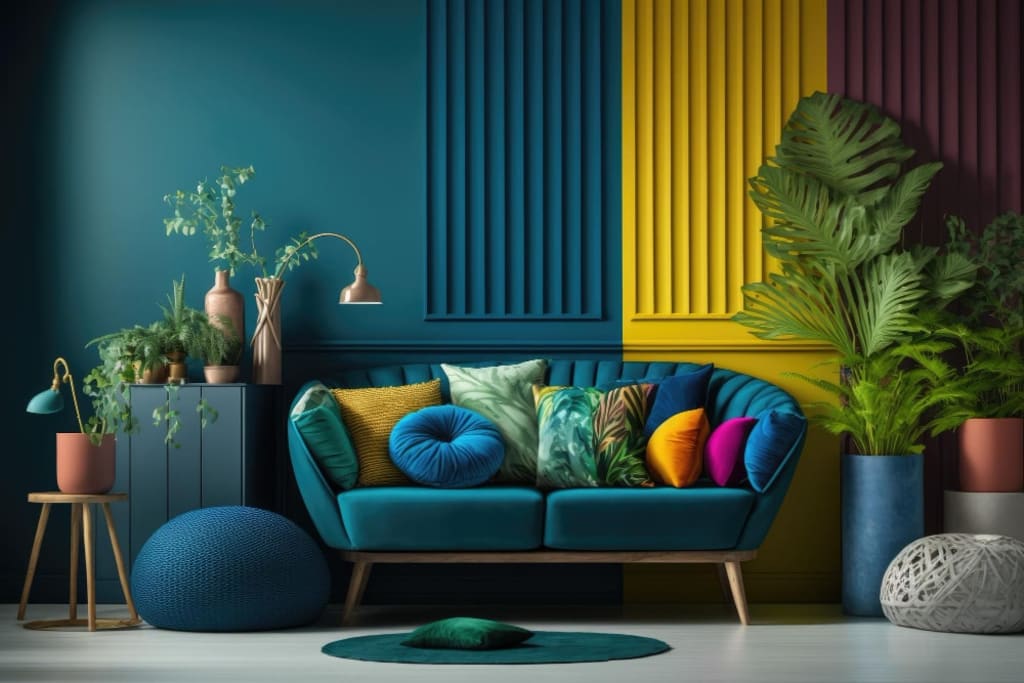
1. Color and Mood: The Power of Palette
Color is more than just a visual element; it significantly impacts our emotions and state of mind. Understanding this can help you choose furniture that enhances your mood and the functionality of each room.
Blue: Known for its calming properties, blue is an excellent choice for spaces designed for relaxation, such as bedrooms or reading nooks. This color helps reduce stress and fosters a sense of tranquility, making it ideal for creating a serene environment.
Red: Energizing and bold, red is perfect for areas where activity and creativity are key. Whether it’s a home gym or a creative workspace, red can stimulate energy and motivation. Just be mindful of overuse, as too much red can become overwhelming.
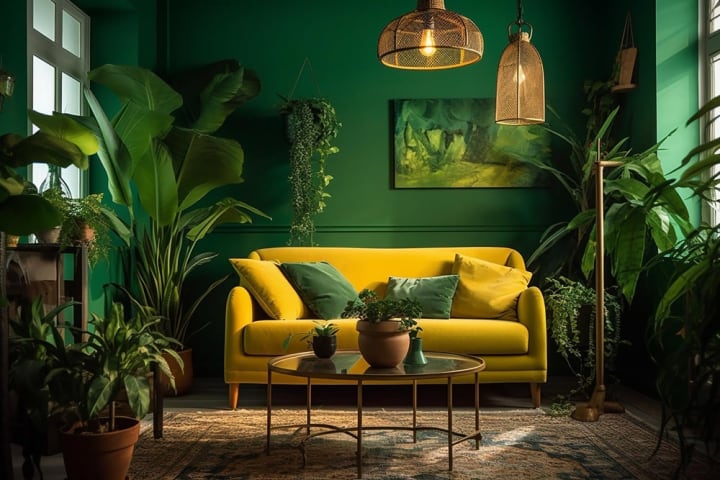
Green: This color is all about balance and restoration. Green is soothing and restorative, making it suitable for living rooms or offices where you want to unwind and recharge. It creates a harmonious atmosphere that promotes relaxation and focus.
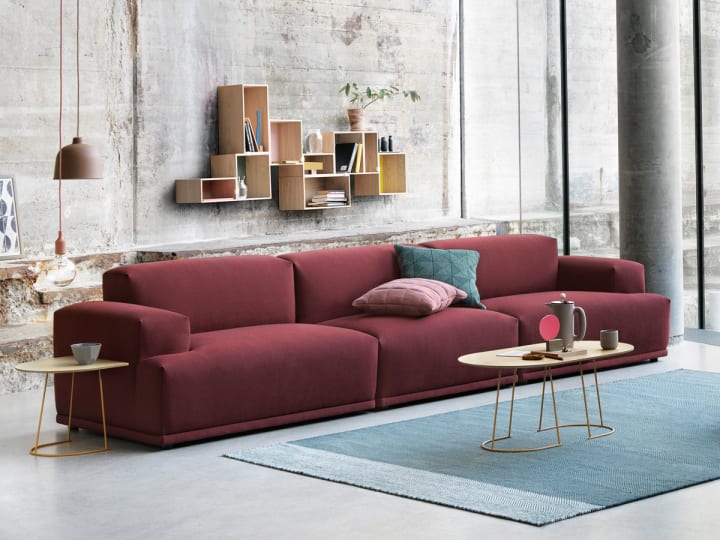
By selecting furniture in these colors, you can tailor the ambiance of your space to better fit its intended use and the emotions you wish to evoke.
2. Ergonomics and Productivity: Comfort Meets Efficiency
When it comes to productivity, ergonomics are key. Well-designed furniture can make a significant difference in how comfortable and efficient you are in your workspace.
Desks and Chairs: Investing in ergonomic furniture, such as an adjustable chair and a properly-sized desk, can enhance your comfort and productivity. Ergonomic chairs support your posture, reducing back pain and improving focus, while a well-designed desk can keep you organized and efficient.
Lighting: Good lighting is essential for a productive workspace. Task lighting, such as desk lamps, helps reduce eye strain and keeps you alert. Additionally, ambient lighting creates a pleasant atmosphere, making the workspace more enjoyable and less stressful.
Creating a workspace that supports good posture and provides adequate lighting is crucial for maintaining comfort and efficiency throughout your workday.
3. Space and Layout: Creating Flow and Function
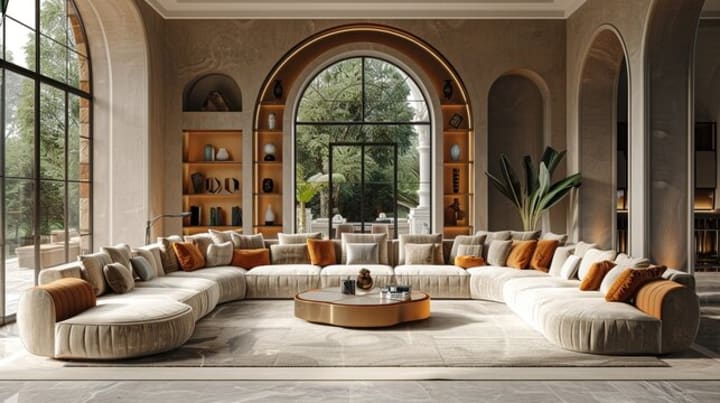
The arrangement of your furniture can greatly affect how you experience and utilize your space. Thoughtful layout design helps create a flow that supports both functionality and comfort.
Open Layouts: Keeping spaces uncluttered promotes a sense of freedom and ease. An open layout helps boost creativity and prevents feelings of being overwhelmed by reducing visual clutter.
Functional Zones: Defining specific areas for different activities—like a cozy reading nook or a well-organized home office—enhances both organization and functionality. By creating distinct zones, you can make your space more adaptable to various needs and activities.
The way you arrange your furniture can inspire creativity or lead to distraction, so planning the layout thoughtfully is key to creating a functional and pleasant environment.
4. Personalization: Making Space Your Own
Personal touches transform a house into a home. By adding elements that reflect your personality and preferences, you create a space where you truly feel comfortable and inspired.
Art and Photos: Displaying artwork and personal photos can significantly boost your mood and relaxation. These items add a personal touch that makes the space uniquely yours, fostering a deeper connection to your environment.
Comfort Elements: Incorporate soft throws, plush pillows, and other comfort items to create an inviting and relaxing atmosphere. These details help turn a functional space into a sanctuary where you can unwind and recharge.
Personalizing your space with meaningful items and comfort elements helps create an environment that supports your well-being and reflects your individual style.
5. Furniture and Well-being: The Holistic Approach
Finally, consider how the overall design of your space affects your well-being. Integrating natural elements and focusing on a multisensory experience can enhance your comfort and mood.
Nature Integration: Incorporate natural elements, such as wooden furniture or indoor plants, to create a calming environment. Nature has been shown to reduce stress and improve mood, making it a valuable addition to your home.
Multisensory Experience: Pay attention to how your furniture interacts with other senses. Choose textures and fabrics that feel pleasant, and consider how the sound of your furniture impacts the ambiance of your space. A well-rounded sensory experience contributes to a positive and soothing environment.
Final Thoughts: Transform Your Space, Transform Your Life
Furniture is more than just functional—it’s a powerful tool that shapes your mood and productivity. By thoughtfully selecting colors, ergonomics, and personal touches, you can create a space that enhances your lifestyle and improves your quality of life.
Ready to transform your space? Start by applying these insights into furniture psychology and discover how it can make a significant difference in your everyday experience. After all, a well-designed space isn’t just aesthetically pleasing—it’s a space that feels just right for you.
About the Creator
Keep reading
More stories from Opaa Homes and writers in Education and other communities.
The Benefits of Sustainable Furniture: Why You Should Make the Switch
What Is Sustainable Furniture? Sustainable furniture is designed to minimize environmental impact through the use of eco-friendly materials and practices. The focus is on reducing the carbon footprint of furniture production and ensuring that the entire lifecycle of the product—from raw materials to disposal—adheres to principles of sustainability. This means incorporating reclaimed wood, non-toxic finishes, and methods that significantly cut down on waste. The goal is to produce stylish, functional furniture that doesn’t harm the planet or its inhabitants.
By Opaa Homesabout a year ago in Education
Most Sales Deals Fail Because Sellers Talk to the Wrong People
There is a quiet reason many sales conversations feel productive but go nowhere. Everyone leaves the call optimistic. Emails move back and forth. Documents get shared. Then momentum fades. Weeks pass. The deal stalls without a clear explanation.
By Armi Ponsica7 days ago in Education
The Energy Pivot The State of Russia’s Oil and Gas in 2026
For decades, this was the "world's gas station": Russia's pipeline network to Europe was the veins of the world economy. By 2026, that aura is dull and those veins are rerouted out of Europe. Since the collapse of the Soviet Union, the Russian oil and gas sector is facing the largest structural change.
By Neeraj kumar6 days ago in Education


Comments
There are no comments for this story
Be the first to respond and start the conversation.