
7 Fascinating Insights into Men's Lives in the Islamic Golden Age
History Of Men

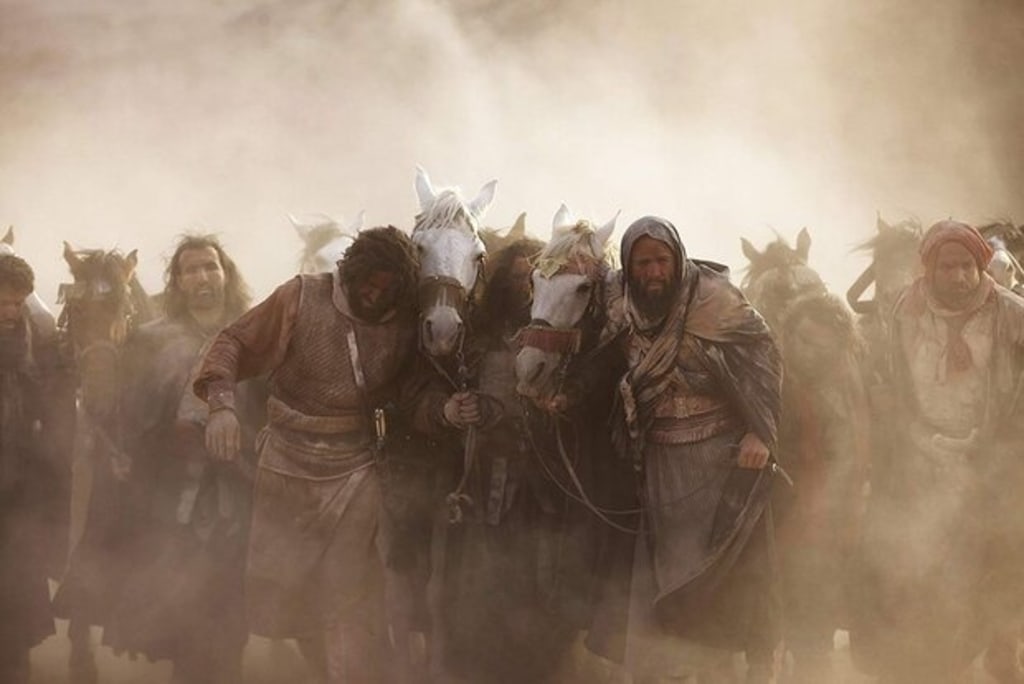
The Islamic Golden Age, spanning from the 8th to the 14th century, was a period of remarkable scientific, cultural, and social advancements. While much has been written about the era's intellectual achievements, the daily lives and roles of men during this time often remain shrouded in mystery. This article delves into the fascinating world of men in the Islamic Age, offering unique insights that challenge our preconceptions and illuminate a pivotal chapter in human history.
The Renaissance Men of the East: Scholars and Polymaths
The Islamic Golden Age gave rise to some of history's most brilliant minds. Men like Ibn Sina (Avicenna), Al-Biruni, and Ibn al-Haytham weren't just specialists in one field – they were true polymaths. These "Renaissance men of the East" made groundbreaking contributions across multiple disciplines:
- Ibn Sina wrote the "Canon of Medicine," a medical encyclopedia used in Europe for centuries.
- Al-Biruni calculated the Earth's radius with remarkable accuracy and pioneered the study of anthropology.
- Ibn al-Haytham revolutionized optics and developed the scientific method centuries before the European Renaissance.
These scholars embodied the Islamic Age's spirit of curiosity and intellectual exploration, paving the way for future scientific advancements.
The Artisans and Craftsmen: Shaping Beauty and Innovation
While scholars pushed the boundaries of knowledge, skilled artisans and craftsmen brought beauty and innovation to everyday life. Men in various trades created masterpieces that still inspire awe today:
- Calligraphers developed intricate styles of Arabic script, turning writing into an art form.
- Metalworkers crafted exquisite lamps, ewers, and scientific instruments.
- Textile makers produced luxurious fabrics like damask and muslin, highly prized across the medieval world.
These artisans weren't just preserving traditions – they were constantly innovating, developing new techniques and styles that would influence global art and design for centuries to come.
The Merchants: Building Networks Across Continents
The Islamic world was a hub of global trade, and enterprising merchants played a crucial role in this economic boom. These men:
- Established vast trade networks spanning from China to West Africa.
- Introduced new products like paper, sugar, and coffee to different regions.
- Developed sophisticated financial instruments, including an early form of checks.
Muslim merchants weren't just traders – they were cultural ambassadors, spreading ideas, technologies, and practices across continents.
The Rulers and Administrators: Patrons of Progress
While not all rulers of the Islamic Age were enlightened, many played pivotal roles in fostering the era's intellectual and cultural flowering:
- Caliph Al-Ma'mun established the House of Wisdom in Baghdad, a center for translation and original research.
- Sultan Saladin founded numerous madrasas (schools) and hospitals, promoting education and healthcare.
- The Abbasid bureaucracy developed sophisticated systems of governance and record-keeping.
These men understood that progress and stability went hand in hand, creating environments where knowledge and innovation could thrive.
The Religious Scholars: Interpreting Faith and Law
Religious scholars, or ulama, played a central role in Islamic society. These men:
- Developed complex systems of Islamic jurisprudence (fiqh).
- Engaged in lively theological debates and philosophical discussions.
- Often served as judges (qadis) and advisors to rulers.
Contrary to popular belief, many ulama encouraged scientific inquiry and rational thought, seeing no conflict between faith and reason.
The Warriors and Explorers: Expanding Horizons
The Islamic Age wasn't just about intellectual pursuits – it was also a time of military conquests and geographic exploration. Men in these roles:
- Developed advanced military technologies and strategies.
- Explored new lands, from the steppes of Central Asia to the African savannah.
- Wrote detailed accounts of their travels, contributing to geographic knowledge.
Figures like the explorer Ibn Battuta and the military leader Saladin became legendary, embodying the spirit of adventure and courage.
The Common Man: Everyday Life in the Islamic World
While famous figures often dominate historical narratives, the lives of ordinary men were equally important in shaping the Islamic Age:
- Farmers adopted new irrigation techniques and crops, increasing agricultural productivity.
- Urban workers formed guilds to protect their interests and maintain quality standards.
- Men of all classes participated in vibrant social and cultural activities, from poetry recitals to sporting events.
These everyday experiences paint a picture of a dynamic, diverse society far removed from stereotypical views of the medieval Islamic world.
Lessons from the Islamic Golden Age
The history of men in the Islamic Age offers valuable insights for our modern world:
- The power of cross-cultural exchange and intellectual openness.
- The importance of patronage and supportive institutions for innovation.
- The potential for individuals to excel in multiple fields.
By understanding this rich history, we gain a deeper appreciation for the diverse contributions that shaped our global civilization. The Islamic Golden Age reminds us that progress flourishes when curiosity is encouraged, knowledge is valued, and different cultures and ideas are allowed to intermingle freely.
As we face the challenges of the 21st century, perhaps we can draw inspiration from these men of the past – their thirst for knowledge, their spirit of innovation, and their ability to build bridges across cultures. In doing so, we might just unlock our own golden age of discovery and progress.
About the Creator
When the Pyramids Learned to Breathe
The desert was silent in the way only ancient places can be—not empty, but listening. At dawn, the first light touched the limestone faces of the pyramids, and the shadows they cast stretched long and deliberate, as if time itself were waking slowly. To the west, beyond the city’s dust and noise, the old giants stood where they always had, unmoved by centuries, untouched by doubt.
By LUNA EDITHabout an hour ago in History
World War I
The morning fog lay thick over the trenches of northern France, clinging to the earth as if it too feared what was about to happen. Private Thomas Hale pulled his coat tighter around himself, though it did little to stop the cold from seeping into his bones. He had been in the trenches for six months, yet the damp smell of mud, smoke, and fear still felt unfamiliar, like a nightmare he could not wake from.
By Maavia tahir7 days ago in History


Comments
There are no comments for this story
Be the first to respond and start the conversation.