
10 Weird Ancient Roman Rituals
Unveiling the Mysteries

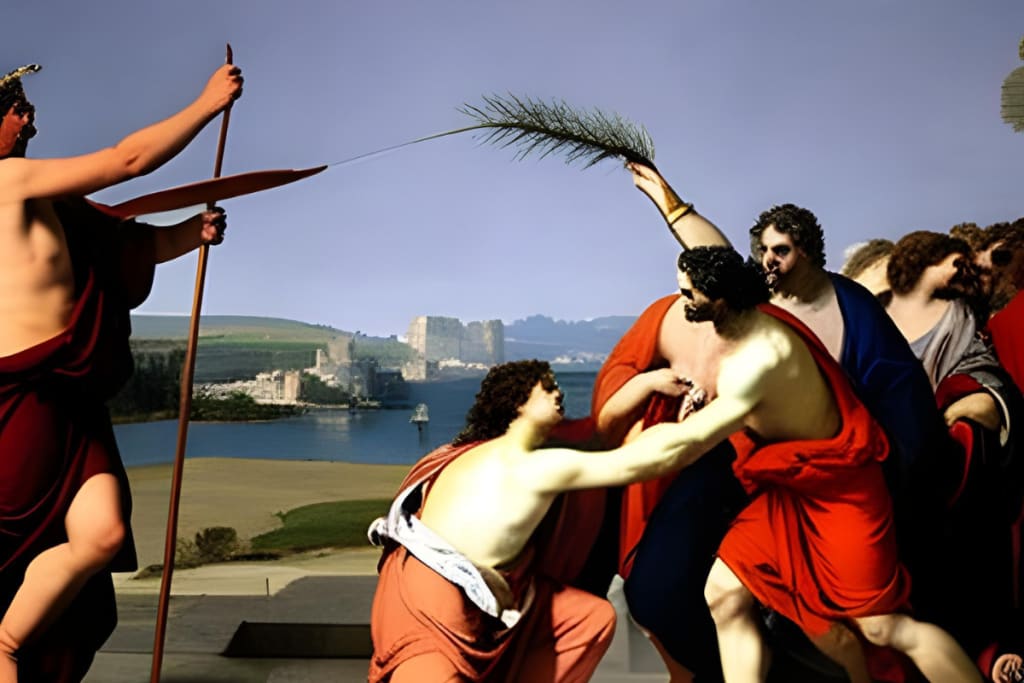
The Roman Empire, known for its remarkable achievements in governance, architecture, and engineering, also had a lesser-known side—the world of peculiar and unconventional rituals. These rituals were an integral part of Roman life and reflected the beliefs, customs, and superstitions of the time. Join us on a journey as we explore 10 such weird ancient Roman rituals that provide a unique insight into the daily lives of these remarkable people.
10 Weird Ancient Roman Rituals
The Festival of Lupercalia
In the middle of February, Romans celebrated the Festival of Lupercalia. Men clad in goatskin loincloths would run through the city, striking women with thongs made from animal hides. This odd ritual was believed to promote fertility and ward off evil spirits.
The Worship of Mithras
The mysterious cult of Mithras worshiped the god Mithras, who was often depicted slaying a bull. Initiates into this cult underwent a series of elaborate ceremonies, including the consumption of a sacred meal inside dark caves. The rituals of Mithras were shrouded in secrecy, adding to their mystique.
The Day of the Lemures
Romans believed in the existence of restless spirits, or lemures, and sought to appease them on the Day of the Lemures. Families would perform rituals to ensure that these malevolent spirits did not haunt their homes. This ceremony involved tossing black beans over their shoulders while making noise to drive the lemures away.
The Cult of Cybele
The cult of Cybele, also known as the Magna Mater, worshiped the mother goddess Cybele. Her followers, known as Galli, were castrated males who dressed in women's clothing and dedicated themselves to the goddess through ecstatic rituals and self-mutilation.
The Feast of Saturnalia
Saturnalia was a festival of merriment and revelry held in honor of the god Saturn. During this time, societal norms were temporarily reversed, and slaves were allowed to mock their masters. Gift-giving and feasting were common, making it a precursor to our modern-day Christmas.
The Ritual of Haruspices
In times of crisis, the Romans turned to the haruspices, religious officials who practiced divination through the examination of animal entrails. The patterns and conditions of the organs were believed to hold clues to the gods' intentions.
The Cult of the Vestal Virgins
The Vestal Virgins were priestesses who tended the sacred flame of Vesta, the goddess of the hearth. They took vows of chastity and served for 30 years. If a Vestal Virgin broke her vow, she would be buried alive as punishment.
The Devotion to Hercules Invictus
Hercules Invictus, or "Hercules the Unconquered," was a popular deity among Roman soldiers. His cult involved rigorous physical tests, including running long distances and lifting heavy weights, to demonstrate their strength and devotion.
The Ritual of Devotio
In times of desperate military situations, Roman generals like Julius Caesar performed the ritual of Devotio. They would pledge their own lives to the gods in exchange for victory in battle. If successful, they were expected to fulfill their promise by taking their own life.
The Worship of Janus
Janus, the two-faced god of beginnings and endings, was revered by the Romans. His temple had doors with two faces, symbolizing the dual nature of reality. Romans believed that Janus could see both the past and the future, and they consulted him during times of transition and change.
Frequently Asked Questions
Did all Romans participate in these rituals?
While some of these rituals were widespread, others were practiced by specific cults or individuals. Not all Romans took part in these ceremonies.
What was the significance of the Vestal Virgins?
The Vestal Virgins played a crucial role in maintaining the sacred fire of Vesta, which was believed to protect Rome. Their chastity symbolized purity and devotion.
Were these rituals considered strange by Roman standards?
Many of these rituals were deeply ingrained in Roman culture and were not seen as unusual by the people of that time.
What happened if someone broke the vows of the Vestal Virgins?
Breaking the vows of chastity by a Vestal Virgin was a grave offense. The punishment was to be buried alive, a fate seen as a way to appease the gods' wrath.
Were the rituals of Mithras similar to other mystery religions?
A: Yes, the rituals of Mithras shared similarities with other mystery religions of the time, characterized by secret ceremonies and initiation rites.
Why did Romans turn to haruspices in times of crisis?
Haruspices were believed to possess the ability to interpret signs from the gods by examining animal entrails. In times of uncertainty, Romans sought their guidance for divine insight.
Conclusion
The ancient Romans were a people of great complexity, and their rituals offer a fascinating glimpse into their beliefs and customs. From the bizarre to the mystifying, these 10 weird ancient Roman rituals showcase the rich tapestry of Roman culture. As we look back on these practices, we gain a deeper appreciation for the diversity and intricacies of human history.
About the Creator
Exotic History
Welcome to Exotic History, where the past comes alive with vibrant stories and intriguing narratives. We are your gateway to a world of captivating historical accounts, adventures, and forgotten tales that span the globe.
Keep reading
More stories from Exotic History and writers in History and other communities.
10 Most Weird Ancient Greek Rituals
Ancient Greece, renowned for its contributions to art, philosophy, and democracy, also harbored a realm of peculiar rituals that have piqued the curiosity of modern-day historians and enthusiasts alike. In this comprehensive exploration, we delve into the captivating world of "10 Weird Ancient Greek Rituals," shedding light on customs that were as enigmatic as they were intriguing. Join us on this journey through time as we uncover the mystique surrounding these ancient practices.
By Exotic History2 years ago in History
America Will LOSE This War Part 1
Can you imagine that in 2026 the world’s only superpower, the United States, could lose to a country it has been sanctioning for the past 40 years? This isn’t my claim—it’s the prediction of Professor Syne, whose two predictions about Trump have already come true. Now the world is waiting for the third one.
By Imran Ali Shah6 days ago in History



Comments
There are no comments for this story
Be the first to respond and start the conversation.