
10 Unsolved Mysteries from Ancient Egypt
Explore the top 10 unsolved mysteries of Ancient Egypt, from the construction of the pyramids to the disappearance of Queen Nefertiti. Delve into history's greatest enigmas!


Ancient Egypt continues to be one of the most fascinating civilizations in history. Known for its monumental architecture, advanced knowledge of astronomy, and intricate religious beliefs, Egypt has left behind countless mysteries that continue to perplex archaeologists and historians. After decades of investigation, many questions remain.
This article explores 10 unsolved mysteries from Ancient Egypt, delving into the secrets that still elude modern science. From the construction of the Great Pyramid to the enigmatic disappearance of Queen Nefertiti, these puzzles keep the allure of Egypt alive.
1. How Were the Pyramids Built?
The Great Pyramid of Giza, built between 2580 and 2560 BCE, is one of the Seven Wonders of the Ancient World. However, the precise techniques employed in its creation are still unknown.
Theories:
Ramp Theory: Some suggest that massive ramps were used to haul limestone blocks.
Water Shaft Hypothesis: Others propose that canals transported stones via buoyancy.
Lost Technology: Could the Egyptians have possessed advanced, now-forgotten techniques?
Despite extensive research, no definitive evidence explains how these 2.3 million stone blocks, each weighing 2.5 to 15 tons, were precisely placed.
2. The Mysterious Disappearance of Queen Nefertiti
Queen Nefertiti, the wife of Pharaoh Akhenaten, was one of Egypt’s most powerful women. Yet, her fate remains unknown.
Theories:
Hidden Tomb: Some believe she was buried in a secret chamber within Tutankhamun’s tomb.
Ruler Under Another Name: She may have ruled as Pharaoh Neferneferuaten before vanishing.
Assassination: Political turmoil could have led to her murder.
Despite scans of Tutankhamun’s tomb suggesting hidden chambers, no conclusive evidence of Nefertiti’s burial has been found.
3. The Sphinx's Missing Nose Secret
Historians have long been perplexed by the Great Sphinx of Giza, which features a human head and a lion's body. One enduring question: Who broke its nose?
Popular Myths:
Napoleon’s Army: Often blamed, but historical sketches show the nose missing before his time.
Iconoclasm: Some suggest a 14th-century Sufi Muslim, Sa’im al-Dahr, destroyed it to protest idolatry.
The true culprit remains unknown, adding to the Sphinx’s mystique.
4. The Curse of the Pharaohs: Fact or Fiction?
The "Curse of the Pharaohs" gained fame after the 1922 discovery of Tutankhamun’s tomb, when several expedition members died under mysterious circumstances.
Scientific Explanations:
Toxic Mold: Ancient tombs may harbor harmful bacteria and fungi.
Coincidence: Many deaths were exaggerated or unrelated.
Yet, the legend persists, fueling speculation about supernatural retribution.
5. The Lost Labyrinth of Egypt
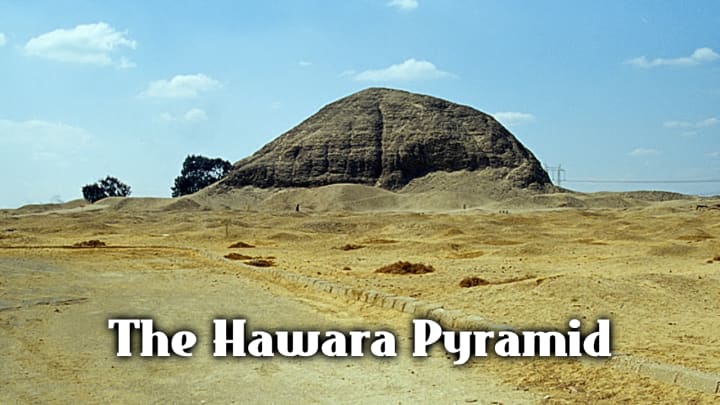
Ancient historians like Herodotus described a vast labyrinth near the Hawara Pyramid, allegedly containing 3,000 rooms filled with hieroglyphs and treasures.
Modern Searches:
Geophysical surveys suggest underground structures, but no definitive labyrinth has been found. Was it destroyed, or does it remain buried beneath the sands? This lost wonder continues to intrigue archaeologists.
6. The Unfinished Obelisk of Aswan
In Aswan, the Unfinished Obelisk, which is still affixed to the bedrock, provides hints on prehistoric stone-carving methods. But why was it abandoned?
Possible Reasons:
Structural Cracks: Flaws in the granite may have rendered it unusable.
Political Changes: A shift in Pharaohs might have halted the project.
This colossal artifact remains a testament to both ambition and unforeseen failure.
7. The Dendera Light: Ancient Electricity?
A controversial relief in the Dendera Temple depicts what some interpret as an ancient light bulb.
Debates:
Mainstream View: It represents a lotus flower and a snake, symbolizing mythology.
Alternative Theory: Could the Egyptians have harnessed electricity?
The enigma feeds conjecture about missing technologies, although major scholars reject the notion.
8. The Unknown Origins of the Sphinx
The Sphinx is generally dated to the time of Pharaoh Khafre. (c. 2500 BCE), but some argue it could be much older.
Evidence for an Older Sphinx:
Water Erosion: Geologist Robert Schoch suggests erosion patterns indicate a much wetter climate, possibly 10,000 years ago.
Lack of Inscriptions: No definitive texts link it to Khafre.
If true, this would rewrite Egyptian history.
9. The Mysterious Death of Tutankhamun
King Tut’s death at 18 or 19 has long been debated.
Possible Causes:
Genetic Disorders: Inbreeding may have caused health issues.
Chariot Accident: Leg fractures suggest a fatal crash.
Murder: Early CT scans hinted at a possible blow to the head.
Despite advanced forensics, his demise remains unresolved.
10. The Hidden Chambers in the Great Pyramid
Recent muon radiography scans reveal possible hidden voids within the Great Pyramid.
Speculations:
Undiscovered Burial Chambers: Could another Pharaoh lie within?
Religious Significance: Rituals may be associated with these areas.
Future explorations may finally unveil these secrets.
Conclusion
Ancient Egypt’s mysteries continue to captivate scholars and enthusiasts alike. From the engineering marvel of the pyramids to the enigmatic fate of Nefertiti, these puzzles remind us how much remains unknown about this extraordinary civilization.
As technology advances, new discoveries may one day solve these riddles—but until then, the allure of Egypt’s secrets endures.
Do you think the Sphinx is older than we believe? Could the "Curse of the Pharaohs" be real?
Join the discussion in the comments!
About the Creator
Himadri Niloy
Who explores forgotten histories, cultural echoes, and the silent revolutions of time.
Keep reading
More stories from Himadri Niloy and writers in History and other communities.
3 Times the Wrong Person Was in Charge at the Worst Possible Moment
Leadership matters most when things go wrong. In calm times, almost anyone can appear competent. Meetings happen. Papers get signed. Coffee is consumed with confidence. But crises are different. Crises demand judgment, experience, decisiveness, and—ideally—a basic understanding of what’s happening.
By Enoch Sagini4 days ago in History


Comments
There are no comments for this story
Be the first to respond and start the conversation.