
10 Rare Roman Imperial Coins:
Exploring the Enigmatic Artifacts of Ancient History's Most Coveted Numismatic Treasures


Numismatics, the study and collecting of coins and currency, is a fascinating field that intrigued people for centuries. It offers a unique insight into the past, shedding light on the economic, cultural, and political aspects of ancient civilizations. Among the most sought-after coins for collectors are those of the Roman Empire, which have significant historical value and artistic appeal.
The hobby of coin collecting, also known as "numismatics", has a long and rich history. It dates back to the Renaissance when scholars and aristocrats began to value ancient coins for their historical and artistic significance. Numismatics quickly became a passion shared by enthusiasts around the world as people recognized the potential of coins to reveal the secrets of ancient societies.
The Roman Empire: An Overview
The Roman Empire, one of the most powerful and influential civilizations in history, spanned more than 500 years, from 27 BC. to 476 BC It originated in the city of Rome and eventually grew to cover vast territories in Europe, Africa and Asia. The Roman Empire left an indelible mark on the world, shaping art, architecture, law and government.
Roman coins were an essential part of the empire's identity and administration. They served a variety of purposes, including facilitating trade, paying the military, and promoting the emperor's image and ideology. Coins have intricate designs, oftenshowing the profile of the reigning emperor or significant events during their reign.
Coinage in Ancient Rome
Roman coins underwent significant changes over the centuries, reflecting the changing political and cultural landscape of the empire. The earliest Roman coins were made of bronze and had simple designs, including symbols of the gods and various agricultural motifs. As Rome expanded its influence, silver and gold coins were introduced, reflecting the growing wealth and power of the empire.
The most common denominations include As (bronze), Denarius (silver) and Aureus (gold). These coins were minted in various sizes and weights, with the gold Aureus being the most valuable and prestigious.
Rarity criteria in Roman coins
The rarity of Roman coins is determined by several factors, including age, historical significance, condition, and number of mintages. Coins from significant historical events, important rulers, or with unique designs are often considered rare and highly sought after by collectors.
Certain emperors or periods in Roman history may have produced fewer coins, leading to their scarcity today. Also, coins that have survived the ravages of time in excellent condition are considered more valuable.
10 Rare Roman Imperial Coins
1. August - Aureus with the comet star
The aureus depicting the comet star is a notable coin from the reign of Augustus, the first Roman emperor. The comet on the coin symbolizes the deification of Julius Caesar after his assassination, linking Augustus to the divine legacy of his adoptive father.
2. Tiberius - silver denarius with inscription for tribute penny
The silver one denarius inscribed Tribute Penny is an iconic coin made famous by its mention in the New Testament. The inscription "TI CAESAR DIVI AUG F AUGUSTUS" refers to Tiberius Caesar Augustus, the emperor during Jesus' ministry. The coin's image of a female figure sitting on a chair represents the Roman province of Judea.
3. Caligula - MessingovSestertius with the obelisk of Caligula
Caligula, known for his extravagant and tyrannical rule, issued brass sestertius with the image of Caligula's obelisk. The obelisk symbolizes his great ambition to transport an Egyptian obelisk to Rome, which he eventually achieved.
4. Claudius - golden aureus from an engraving by Nero Drusus
The gold aureus from the reign of Claudius features a magnificent portrait of Nero Claudius Drusus, the emperor's father. This coin exemplifies the artistic and technical brilliance of Roman coins and their ability to create realistic depictions of historical figures.
5. Nero - Bronze Sestertius with the Great Fire of Rome
The bronze one sestertius of Nero depicting the Great Fire of Rome is a historically significant coin. The fire that broke out in 64 AD, devastated much of the city and allowed Nero to implement urban planning reforms and rebuild Rome with grandiose structures such as the Domus Aurea and the Colosseum.
6. Vespasian - Jewish capta coin
Vespasian's Judaea Capta coins celebrate the Roman victory in the Jewish-Roman War, culminating in the destruction of Jerusalem and the Second Temple in AD 70. These coins feature strong imagery, including a Roman soldier standing triumphantly beside a grieving Jewish woman.

7. Domitian - Silver denarius with Minerva reverse
On the reverse side of the silver denarius on Domitian the goddess Minerva is depicted. The coin reflects Domitian's claim to divine authority and his association with wisdom and strategic warfare, symbolized by Minerva.
8. Trajan - golden aureus with the personification of Parthia
The gold aureus issued during the reign of Trajan presents a stunning image of the personification of Parthia, Rome's main opponent. This coin commemorates Trajan's successful military campaigns against the Parthian Empire, culminating in the annexation of Armenia.
9. Hadrian - Bronze Sestertius with the Restorer of the Gauls
The bronze one Sestertius of Hadrian depicts him as Restitutor Galliarum, the restorer of the Gallic provinces. The coin celebrates his efforts to pacify the Gallic region after a rebellion, emphasizing the emperor's role as a benevolent ruler.
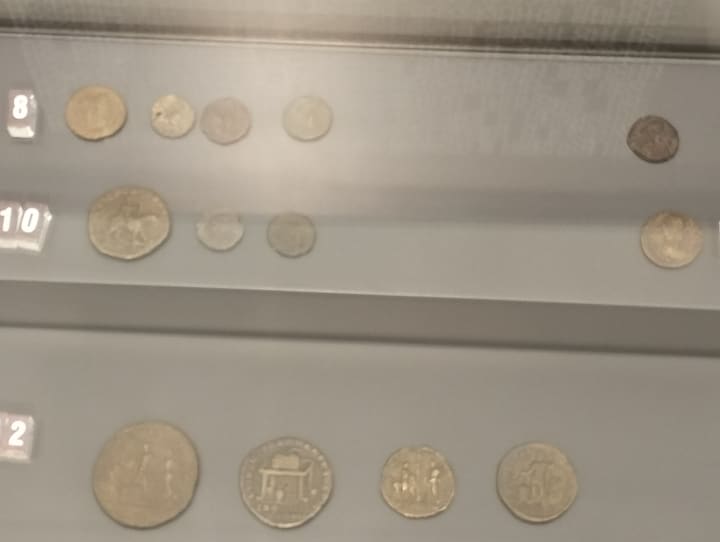
10. Caracalla - Antoninian with the four tetrars
Antoninian with the Four Tetrars of Caracalla is a significant numismatic work,showing the co-rule model introduced by Emperor Diocletian. The coin depicts four Roman emperors standing together, representing the stability of the tetrarchy system.
Conclusion
The world of numismatics offers a fascinating journey through time, and Roman imperial coins serve as a tangible link to an ancient and influential era. Each rare coin carries a unique story reflecting the politics, culture, and art of the Roman Empire. As collectors and enthusiasts continue to value these coins, their historical value and appeal only increases with time.
Frequently Asked Questions
What Makes Roman Imperial Coins Rare?
Roman imperial coins become rare due to a variety of factors, including historical significance, limited mintage, and excellent preservation.
Where can I find rare Roman coins to buy?
Reputable numismatic dealers, auction houses, and online marketplaces are excellent places to find rare Roman coins.
How can I guarantee the authenticity of a rare Roman coin?
To authenticate a rare Roman coin, consult experts or numismatic societies and carefully examine its data, weight, and inscriptions.
Are rare Roman coins a good investment?
Rare Roman coins can be a rewarding investment, especially for those with a passion for history and numismatics. However, thorough research and expert advice are critical before making any significant purchases.
Can I start collecting Roman coins without extensive knowledge?
Yes, anyone can start collecting Roman coins with a basic knowledge of numismatics. Familiarity with historical context and study
About the Creator
Stefan Chardakliev
Stefan Chardakliev is an emerging writer and passionate historian with a deep fascination for Ancient Rome and numismatics.
Keep reading
More stories from Stefan Chardakliev and writers in History and other communities.
"Unlocking the Treasures of History
Are you fascinated by ancient history and looking to embark on a rewarding and educational hobby? Look no further than collecting Roman coins. Roman coins are not only valuable but also offer a glimpse into the rich cultural heritage of the Roman Empire. In this ultimate guide, we will explore everything you need to know to start and enhance your collection of Roman coins. From understanding the history behind these coins to identifying their types and evaluating their worth, this comprehensive guide will provide you with the knowledge and tools to become a successful Roman coin collector.
By Stefan Chardakliev3 years ago in History
Year 1903 in Review: Fun Facts, Trivia, and Historic Highlights
This quick read is a collection of fun facts, trivia, and historical events from the year 1903. Discover the year’s top news stories, most influential people, sports facts, historic firsts, entertainment trivia, and much more.
By Gregory DeVictorabout 12 hours ago in History
The Piggy Project
I’ve had so many names in this life I lose track of which ones were ever really mine and which ones I wore because someone needed me to. Some were handed to me before I had words to refuse them, before I knew what they meant, before I knew I could say no. Most weren’t meant to hurt. That doesn’t mean they didn’t leave marks. Marks that told me who I belong to, who I am by way of who claims me, recognizes me in the good and bad, who walks beside me.
By Fatal Serendipity5 days ago in Confessions



Comments
There are no comments for this story
Be the first to respond and start the conversation.