
"Unlocking the Treasures of History
The Comprehensive Journey of Collecting Rare and Ancient Roman Coins"


Are you fascinated by ancient history and looking to embark on a rewarding and educational hobby? Look no further than collecting Roman coins. Roman coins are not only valuable but also offer a glimpse into the rich cultural heritage of the Roman Empire. In this ultimate guide, we will explore everything you need to know to start and enhance your collection of Roman coins. From understanding the history behind these coins to identifying their types and evaluating their worth, this comprehensive guide will provide you with the knowledge and tools to become a successful Roman coin collector.
Table of Contents
- Introduction
- The History of Roman Coins
- Why Collect Roman Coins?
- Getting Started with Roman Coin Collecting
- Setting Your Collecting Goals
- Acquiring Basic Knowledge
- Establishing a Budget
- Finding Reliable Sources
- Understanding Roman Coin Types
- Denominations
- Imperial Coinage
- Republican Coinage
- Provincial Coinage
- Special Issues and Commemorative Coins
- Grading and Authenticity
- Coin Grading Systems
- Detecting Counterfeit Coins
- Building Your Collection
- Choosing a Theme or Focus
- Purchasing Coins
- Coin Storage and Preservation
- Research and Documentation
- Historical Context
- Catalogs and References
- Recording Your Collection
- Connecting with the Roman Coin Collecting Community
- Joining Clubs and Associations
- Attending Coin Shows and Conventions
- Online Forums and Social Media Groups
- Maximizing the Value of Your Collection
- Rare and Key Date Coins
- Condition and Eye Appeal
- Historical Significance
- Selling Your Roman Coin Collection
- Knowing When to Sell
- Finding the Right Market
- Appraisals and Valuations
- Conclusion
Introduction
Collecting Roman coins is a captivating journey that takes you back in time to the days of one of the most powerful and influential civilizations in history. Each coin tells a story, whether it be depicting emperors, important events, or symbols of Roman culture. By building a collection of Roman coins, you become a custodian of history and get the chance to appreciate the artistry and craftsmanship of ancient times.
To truly appreciate Roman coins, it is essential to understand their historical context. Roman coinage originated in the late 4th century BC and continued for more than 1,000 years until the fall of the Western Roman Empire in the 5th century AD. Initially, the Romans used Greek-style coins, but they soon developed their distinctive coinage system. The Roman monetary system went through various changes, reflecting the political, economic, and cultural shifts within the empire.
Why Collect Roman Coins?
Collecting Roman coins offers a myriad of benefits. Firstly, it provides a tangible connection to the past, allowing you to hold and examine objects that were part of daily life in ancient Rome. Secondly, Roman coins are often works of art, showcasing the skills of ancient engravers and their attention to detail. Additionally, Roman coins can be a wise investment, as they tend to appreciate in value over time.
Getting Started with Roman Coins Collecting
Getting started with Roman coin collecting is an exciting endeavor that can be enjoyed by individuals of all ages and backgrounds. Whether you are a history enthusiast, an art lover, or simply someone looking for a unique hobby, the world of Roman coins has something to offer. Here are some essential steps to help you begin your journey into the fascinating realm of Roman coin collecting:
Setting Your Collecting Goals: Before diving into collecting Roman coins, it's important to determine your collecting goals. Ask yourself what interests you the most about Roman history and coins. Are you looking to build a diverse collection representing different emperors, or do you prefer to focus on a specific era or theme? Defining your collecting goals will guide you in making informed decisions as you acquire coins.
Acquiring Basic Knowledge: Familiarize yourself with the basics of Roman coins. Learn about the different denominations, such as Aureus, denarius, and Sestertius, and understand their values and significance. Research the various emperors and their reigns to gain insights into the historical context of the coins. Educate yourself on the common symbols, inscriptions, and imagery found on Roman coins to better appreciate their artistic and historical value.
Establishing a Budget: Determine a budget for your coin-collecting endeavors. Coin collecting can range from being an affordable hobby to a significant investment. Set a realistic budget that aligns with your financial resources and collecting goals. Remember, it's not necessary to break the bank to start a meaningful collection. There are Roman coins available at various price points, allowing collectors on different budgets to participate.
Finding Reliable Sources: Identify reputable sources for acquiring Roman coins. Look for established coin dealers, both online and offline, who specialize in ancient coins. Join coin-collecting communities and forums where experienced collectors can provide guidance and recommend trusted sellers. It's crucial to purchase coins from reputable sources to ensure authenticity and avoid counterfeit or altered pieces.
Understanding Roman Coin Types
Roman coins come in a wide variety of types, each with its own historical significance and unique characteristics. Familiarizing yourself with the different types of Roman coins will enhance your collecting experience and enable you to make informed decisions when expanding your collection. Here are the main categories of Roman coins:
Denominations: Roman coins were issued in various denominations, including gold, silver, and bronze. The most common denominations include the Aureus (gold), denarius (silver), and Sestertius (bronze). Understanding the different denominations will help you determine the value and rarity of the coins you encounter.
Imperial Coinage: Imperial coinage refers to the coins minted under the authority of Roman emperors. These coins often featured portraits of the emperors, commemorated significant events or military victories, and showcased the emperors' virtues and achievements. Exploring the imperial coinage allows collectors to trace the history and succession of emperors throughout the Roman Empire.
Republican Coinage: Before the establishment of the Roman Empire, Rome was a republic governed by elected officials. Republican coinage represents the coins minted during this period. These coins often featured the faces of important figures, symbols of Roman virtues, and allegorical representations. Collecting Republican coins provides insights into the early days of Rome and the political and social dynamics of the time.
Provincial Coinage: The Roman Empire expanded its reach across various regions, and many cities and provinces were authorized to mint their own coins. Provincial coinage reflects the local identities and cultural influences of these regions. These coins often depict local deities, landmarks, or events, providing a fascinating glimpse into the diversity of the Roman Empire.
Special Issues and Commemorative Coins
Special issues and commemorative coins hold a significant place within the world of Roman numismatics. These coins were often minted to mark important events, honor emperors, celebrate victories, or commemorate specific occasions. Exploring special issues and commemorative coins adds depth and richness to your Roman coin collection. Here are some key aspects to consider:
Imperial Commemorative Coins: Emperors frequently issued commemorative coins to celebrate their achievements, anniversaries, or notable events during their reigns. These coins often featured elaborate designs and inscriptions that highlighted the accomplishments or virtues of the emperor. Collecting imperial commemorative coins provides a fascinating glimpse into the reigns and legacies of specific emperors.
Military and Victory Commemoratives: The Roman Empire was known for its military might and conquests. Many coins were minted to commemorate significant military victories, the dedication of new forts or colonies, or the establishment of peace. These coins often depicted emperors in military attire, personifications of victory, or symbolic representations of conquered territories. Collecting military and victory commemoratives allows you to delve into the military history of the Roman Empire.
Games and Festivals: Romans were known for their love of games and festivals. Emperors frequently issued coins to commemorate major sporting events, such as the Olympic Games or gladiatorial contests, as well as religious festivals and ceremonies. These coins showcased images of athletes, stadiums, or gods and goddesses associated with the specific event. Collecting coins related to games and festivals provides insights into the cultural and social aspects of Roman life.
Deified Rulers and Dynastic Succession: After the death of an emperor, it was common for the Senate to deify the deceased ruler. Coins were minted to honor these deified emperors, often depicting them with divine attributes or associating them with gods and goddesses. Additionally, coins were sometimes issued to mark the succession of a new emperor, showcasing the continuity of power within the imperial family. Collecting coins related to deified rulers and dynastic succession allows you to trace the lineage of emperors and understand the religious beliefs of the time.
Anniversary and Jubilee Coins: Emperors occasionally celebrated significant milestones or anniversaries during their reigns. These events were marked by the issuance of special coins, which depicted the emperor and included inscriptions highlighting the duration of their rule or the achievements attained during their reign. Collecting anniversary and jubilee coins offers a unique perspective on the long-lasting impact of certain emperors and their legacies.
When building your collection of special issues and commemorative coins, it is important to consider the historical context and rarity of these pieces. Special issues were often produced in limited quantities, making them highly sought after by collectors. It is advisable to consult reputable sources and experts to ensure the authenticity and value of these coins.
Remember, the beauty of collecting Roman coins lies in the stories they tell and the connections they establish with the past. By adding special issues and commemorative coins to your collection, you bring to life the triumphs, ceremonies, and significant moments of the Roman Empire.
Coin Grading Systems
When it comes to collecting Roman coins, understanding the coin grading systems is essential. Coin grading allows collectors to assess the condition and quality of a coin, which plays a significant role in determining its value. Here are some commonly used coin grading systems:
The Sheldon Scale (1-70): The Sheldon Scale, also known as the numerical grading scale, rates coins on a scale from 1 to 70, with 70 being the highest grade possible. This scale takes into account various factors such as wear, luster, and overall preservation.
Adjectival Grading (Poor to Uncirculated): Another widely used grading system is adjectival grading, which categorizes coins based on their condition. The categories include Poor, Fair, About Good, Good, Very Good, Fine, Very Fine, Extremely Fine, About Uncirculated, and Uncirculated.
Third-Party Grading Services: Professional third-party grading services, such as PCGS (Professional Coin Grading Service) and NGC (Numismatic Guaranty Corporation), provide independent and expert opinions on coin grading. These services encapsulate the coin in a tamper-evident holder, along with a grade and certification, ensuring authenticity and providing a standardized grading opinion.
It is important to note that grading can be subjective, and different collectors or grading services may have varying opinions. It is advisable to educate yourself on the grading criteria and consult reputable experts or reference materials to develop a better understanding of coin grading.
Detecting Counterfeit Coins
As with any valuable collectible, the market for Roman coins also attracts counterfeiters. It is crucial to be aware of counterfeit coins and take precautions to ensure that you acquire authentic pieces. Here are some tips to help you detect counterfeit Roman coins:
Research and Education: Develop a good knowledge base about Roman coins, including their designs, inscriptions, and characteristics. This will enable you to identify any discrepancies or inconsistencies that may indicate a counterfeit.
Weight and Size: Counterfeit coins may differ in weight or size from genuine coins. Familiarize yourself with the standard weight and size specifications for the specific types of Roman coins you are collecting. Use precision scales and calipers to compare the measurements of a coin to known authentic examples.
Metal Composition and Sound: Roman coins were typically made of bronze, silver, or gold. Counterfeit coins may be made of different metals or alloys. Familiarize yourself with the specific metal composition of the coins you collect and compare the sound of a genuine coin when dropped on a hard surface to the sound of a potentially counterfeit coin.
Detailed Examination: Inspect the coin closely for signs of wear, tooling marks, or casting irregularities. Counterfeit coins may lack the fine details and sharpness of genuine coins. Pay attention to the quality of the engraving, lettering, and overall craftsmanship.
Reference Materials and Expert Opinions: Consult reputable reference books, online resources, and numismatic experts who can provide guidance in identifying counterfeit coins. Attend coin shows and conventions where you can learn from experienced collectors and dealers.
Remember, detecting counterfeit coins requires experience and expertise. When in doubt, it is advisable to seek professional opinions or acquire coins from reputable dealers who guarantee the authenticity of their products.
Building Your Collection
Building a collection of Roman coins can be a rewarding and fulfilling journey. Here are some steps to help you build and enhance your collection:
Choosing a Theme or Focus
When embarking on your Roman coin collecting journey, selecting a theme or focus for your collection can add depth and excitement to your numismatic pursuits. By narrowing down your collecting goals, you can create a cohesive and meaningful collection. Here are some considerations to help you choose a theme or focus for your Roman coin collection:
Emperor or Dynasty: One popular approach is to center your collection around a specific Roman emperor or a particular dynasty. For example, you could focus on coins minted during the reign of Augustus or collect coins representing the Julio-Claudian dynasty. This allows you to explore the historical significance and nuances of a particular ruler or ruling family.
Historical Events or Periods: Another option is to build your collection around significant historical events or periods in Roman history. This could include coins minted during times of political upheaval, military campaigns, or cultural transformations. For instance, you might focus on coins from the Roman Republic, the Pax Romana era, or the fall of the Western Roman Empire.
Geographical Regions: Roman coinage spanned a vast empire, and each region had its own unique coinage styles and designs. You can choose to concentrate on coins from specific provinces, cities, or regions within the Roman Empire. This allows you to explore the diverse cultures and artistic influences from different areas.
Iconography or Themes: If you have a particular interest in a specific deity, symbol, or theme, you can center your collection around it. For example, you could focus on coins featuring mythological figures, Roman gods and goddesses, animals, or architectural motifs. This approach allows you to appreciate the symbolism and religious beliefs of the Roman civilization.
Metal Type or Denominations: Roman coins were minted in various metals, including gold, silver, and bronze. You can choose to focus on a specific metal type or denominations, such as aurei (gold coins), denarii (silver coins), or sestertii (bronze coins). This approach adds a dimension of variety and rarity to your collection.
Consider your personal interests, the historical aspects that fascinate you the most, and the availability of coins within your chosen theme or focus. Remember that your collection should reflect your passion and create a sense of enjoyment and fulfillment as you explore the world of Roman coinage.
By selecting a theme or focus, you not only give your collection a clear direction but also open doors for in-depth research and a deeper understanding of the historical and cultural context surrounding the coins you acquire.

Purchasing Coins
When it comes to expanding your Roman coin collection, purchasing coins is an exciting part of the process. Here are some tips to consider when buying Roman coins:
Reputable Dealers: Purchase coins from reputable dealers who specialize in ancient coins and have a track record of authenticity and professionalism. Research dealers' reputations, read reviews and seek recommendations from experienced collectors or numismatic societies.
Authenticity Guarantee: Ensure that the coins you buy come with a certificate of authenticity or a guarantee of authenticity from the dealer. This provides assurance that the coins are genuine and not counterfeit.
Quality and Condition: Consider the quality and condition of the coins. Coins in better condition generally command higher prices, so decide whether you prefer well-preserved specimens or coins with a bit of wear that have a more "authentic" feel.
Documentation and Information: Seek coins that come with detailed documentation or provenance whenever possible. This documentation helps establish the historical background, lineage, and previous ownership of the coin.
Budget and Research: Set a budget for your purchases and conduct thorough research to understand the current market value of the coins you're interested in. This will help you make informed decisions and ensure you're paying a fair price.
Coin Storage and Preservation
Proper storage and preservation are crucial to maintaining the condition and value of your Roman coin collection. Here are some guidelines for coin storage:
Coin Holders: Use coin holders specifically designed for long-term storage. These holders provide protection from environmental elements, such as air, moisture, and physical damage. Choose holders made of inert materials like Mylar or PVC-free plastics to prevent chemical reactions.
Individual Packaging: Store each coin in its own holder to prevent scratching or damage caused by contact with other coins. Avoid overcrowding in storage containers to maintain the integrity of the individual holders.
Avoid Touching the Coin: Handle coins by the edges or wear gloves to prevent direct contact with the surfaces. The oil and moisture from your hands can corrode or tarnish the coin over time.
Environment Control: Store your coins in a stable environment with controlled temperature and humidity. Extreme fluctuations in temperature or exposure to high humidity can damage the coins. Aim for a temperature around 70°F (21°C) and relative humidity between 40% and 50%.
Avoid Exposure to Light: Limit the exposure of your coins to direct light, especially sunlight, as it can cause fading or discoloration. Display coins in UV-resistant holders or store them in dark, opaque containers.
Keep a Record: Maintain a comprehensive inventory and documentation of your coin collection. This includes information such as coin descriptions, acquisition dates, purchase prices, and any relevant historical or numismatic details.
Research and Documentation
To fully appreciate and understand your Roman coin collection, research and documentation are vital. Here's how you can dive into the historical context and document your findings:
Historical References: Consult historical sources, books, and academic papers to learn about the historical context in which Roman coins were minted. Understanding the political, social, and cultural events of the time can provide valuable insights into the significance of your coins.
Numismatic Literature: Explore numismatic literature specific to Roman coins. These references provide detailed information on coin types, variations, minting techniques, and historical background. Examples include "Roman Coins and Their Values" by David Sear and "Roman Imperial Coinage" by RIC.
Online Resources: Utilize online databases, websites, and digital libraries dedicated to Roman coins. Online resources like the American Numismatic Society's collection database and academia.edu offer access to coin images, articles, research papers, and scholarly discussions.
Coin Attribution Tools: Take advantage of coin attribution tools and online coin databases. Platforms like WildWinds and CoinArchives provide coin attributions, images, and additional information that can assist in identifying and understanding your coins.
Note Taking: Maintain detailed notes of your research findings. Record the emperor, mint, coin type, inscriptions, and any historical or numismatic details associated with each coin in your collection. This documentation will serve as a valuable reference for future research and evaluation.
Historical Context
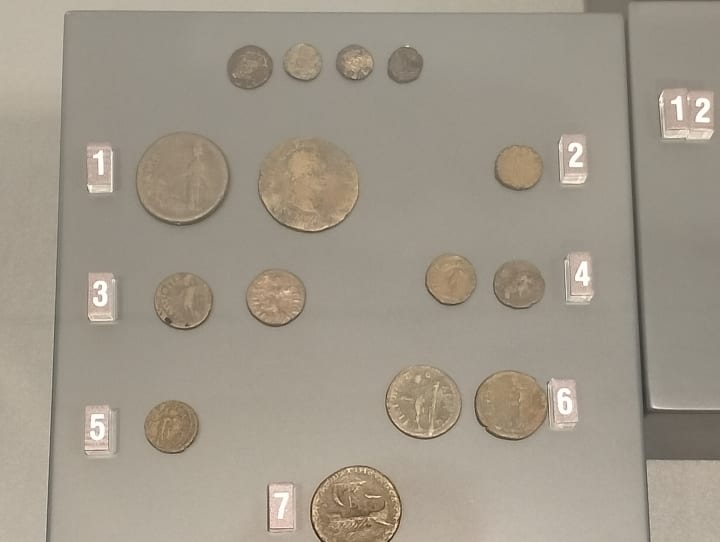
Understanding the historical context in which Roman coins were minted adds depth and significance to your collection. Consider the following aspects:
Roman History: Study the broader history of the Roman Empire, including its political structure, major emperors, and key historical events. This knowledge will help you appreciate the historical significance of the coins and their role in Roman civilization.
Era-specific Context: Dive into specific eras or periods within Roman history that interest you the most. For example, explore the Republican period, the Julio-Claudian dynasty, or the Crisis of the Third Century. Understanding the unique characteristics and developments of each era enhances your appreciation for the coins minted during those times.
Cultural and Religious Influences: Roman coins often featured symbols, deities, and religious motifs that reflected the beliefs and values of Roman society. Research and familiarize yourself with the gods and goddesses, mythological figures, and cultural symbols depicted on the coins.
Economic Factors: Consider the economic conditions and monetary policies of the Roman Empire during different periods. Understanding the fluctuation in coinage, debasement, or changes in minting techniques adds a layer of historical and economic context to your collection.
By immersing yourself in the historical context, you will gain a deeper appreciation for the coins and their significance within the larger Roman civilization.
Catalogs and References
Catalogs and references are invaluable resources for Roman coin collectors. They provide essential information for identifying and understanding the coins in your collection. Here are some tips on utilizing catalogs and references effectively:
Standard Catalogs: Invest in reputable and widely recognized catalogs specific to Roman coins, such as "Roman Coins and Their Values" by David Sear or "Roman Imperial Coinage" by RIC. These catalogs offer comprehensive coverage of Roman coin types, descriptions, and current market values.
Specialized References: Explore specialized references that focus on specific aspects of Roman coins, such as regional variations, specific emperors' coinage, or coin types like Roman Provincial coins. These references provide in-depth analysis, detailed attributions, and historical context.
Online Resources: Take advantage of online databases and websites dedicated to Roman coins. Platforms like CoinArchives, WildWinds, or the American Numismatic Society's collection database offer extensive collections, images, and detailed information on Roman coins.
Numismatic Libraries and Museums: Visit local numismatic libraries or museums with significant coin collections. These institutions often have reference materials, catalogs, and experts who can assist you in identifying and researching your coins.
Numismatic Experts: Connect with experienced numismatists or scholars specializing in Roman coins. Seek their guidance and expertise to better understand and interpret the coins in your collection. They can provide valuable insights, help with attributions, and recommend additional reference materials.
Remember to stay updated with the latest editions of catalogs and references as new discoveries and research may lead to revisions and improvements in coin attributions and information.
Recording Your Collection
Properly recording your Roman coin collection is essential for organization, research, and future reference. Here are some tips for effectively recording your collection:
Digital or Physical Records: Choose a method that works best for you, whether it's maintaining a digital spreadsheet, using specialized coin inventory software, or keeping physical notebooks. Consistency is key to ensuring accurate and accessible records.
Detailed Information: Include relevant details for each coin, such as emperor, mint, type, denomination, date, and any inscriptions or symbols. Capture additional information like historical context, provenance, acquisition details, and any notable features or variations.
Photographic Documentation: Accompany your records with high-quality photographs of each coin. Capture the obverse and reverse sides, ensuring clear and focused images that highlight the coin's details. Consider using a consistent background and proper lighting for consistency.
Organization and Categorization: Develop a system to organize your collection, such as grouping coins by emperor, mint, or chronological order. Assign unique identifiers or numbers to each coin to facilitate easy referencing and cross-referencing.
Update and Maintain Regularly: Continuously update your records as you acquire new coins, sell or trade existing ones, or discover new information. Regularly review and reconcile your physical collection with your records to ensure accuracy.
Accurate and comprehensive record-keeping will not only help you keep track of your collection but also assist in research, evaluation, and sharing information with other collectors or appraisers.
Connecting with the Roman Coin Collecting Community
Connecting with the Roman coin-collecting community can be a rewarding experience that allows you to share knowledge, learn from others, and expand your network. Here are some ways to connect with the community:
Joining Numismatic Clubs and Associations: Look for local or online numismatic clubs and associations that focus on Roman coins. These organizations provide opportunities to meet fellow collectors, attend educational presentations, participate in coin exchanges, and share experiences.
Attending Coin Shows and Conventions: Attend local, regional, or international coin shows and conventions where you can interact with dealers, collectors, and experts in the field. These events often feature exhibits, educational programs, and buying/selling opportunities.
Online Forums and Social Media Groups: Join online forums and social media groups dedicated to Roman coin collecting. Platforms like CoinTalk, Reddit's r/AncientCoins, or Facebook groups offer spaces for discussions, sharing coin images, seeking advice, and engaging with a diverse community of collectors.
Virtual Events and Webinars: Take advantage of virtual events, webinars, and online conferences organized by numismatic societies or institutions. These virtual gatherings provide opportunities to learn from experts, participate in live discussions, and connect with collectors from around the world.
Collaborative Projects: Engage in collaborative projects within the community, such as contributing to online databases, participating in research initiatives, or collaborating on publications. These projects allow you to actively contribute to the knowledge and understanding of Roman coins.
Remember to approach discussions and interactions with respect, curiosity, and a willingness to learn from others. The collective knowledge and experiences of the community can greatly enrich your own collecting journey.
Joining Clubs and Associations
Joining numismatic clubs and associations dedicated to Roman coin collecting offers numerous benefits. Here's why you should consider joining:
Knowledge and Education: Clubs and associations often provide access to educational resources, guest speakers, workshops, and presentations focused on Roman coins. These opportunities allow you to deepen your understanding, expand your knowledge, and stay updated on the latest research and discoveries.
Networking and Connections: By joining a club or association, you connect with fellow collectors who share your passion for Roman coins. Engaging with like-minded individuals opens doors for sharing experiences, discussing collecting strategies, and building friendships within the numismatic community.
Collecting Opportunities: Clubs and associations may facilitate group purchases, bulk orders, or exclusive access to limited editions or special releases. This can provide you with unique opportunities to add new coins to your collection or acquire items that may be challenging to obtain individually.
Collective Expertise: Numismatic clubs often have experienced collectors or experts as members. Their knowledge and expertise can be invaluable in helping you with coin attributions, identification, valuation, or historical research. The collective wisdom of the group can enhance your collecting journey.
Community Engagement: Being part of a club or association allows you to actively contribute to the numismatic community. You can participate in club events, exhibitions, and educational outreach programs, or contribute to club publications, furthering the understanding and appreciation of Roman coins.
Research and find clubs or associations that align with your interests and geographic location. Attend meetings, participate in activities, and engage in discussions to make the most of your membership and forge lasting connections within the numismatic community.
Attending Coin Shows and Conventions
Attending coin shows and conventions focused on Roman coins is a fantastic way to immerse yourself in the world of numismatics and expand your collection. Here's why attending these events can be beneficial:
Access to Vendors and Dealers: Coin shows and conventions gather a wide range of vendors and dealers specializing in Roman coins. This provides you with a unique opportunity to explore a diverse selection of coins, compare prices, and potentially find rare or unique pieces to add to your collection.
Networking and Learning: These events attract collectors, experts, and enthusiasts from all over the world. Engaging in conversations with fellow collectors and attending educational presentations or workshops can expand your knowledge, provide insights into collecting trends, and introduce you to new perspectives.
Exclusive Offerings and Special Events: Some coin shows and conventions feature exclusive offerings, such as limited-edition coins, special releases, or unique items not readily available elsewhere. Additionally, special events like auctions, guest speaker presentations, or panel discussions further enhance the experience and offer opportunities for unique acquisitions or learning experiences.
Expert Opinions and Authentications: Coin shows often host reputable experts and third-party grading services. You can take advantage of their presence to get expert opinions on the authenticity, grade, or historical significance of specific coins. This can help you make informed purchasing decisions and ensure the integrity of your collection.
Selling and Trading Opportunities: If you're considering selling or trading coins from your collection, coin shows provide a platform to connect with potential buyers or traders. You can showcase your collection, negotiate deals, and explore options for expanding or diversifying your holdings.
Remember to prepare for coin shows by researching the dealers and vendors who will be attending, setting a budget, and making a list of coins you're specifically interested in. By attending these events, you'll have the chance to interact with experts, find unique coins, and immerse yourself in the vibrant world of Roman coin collecting.
Online Forums and Social Media Groups
Engaging with online forums and social media groups dedicated to Roman coin collecting can be a valuable way to connect with a global community of collectors, share knowledge, and learn from others. Here's why you should consider joining these online communities:
Knowledge Exchange: Online forums and social media groups provide a platform for collectors to share information, insights, and experiences related to Roman coins. You can ask questions, seek advice, and learn from more experienced collectors, as well as contribute your own knowledge to help others.
Access to Diverse Perspectives: These communities bring together collectors from around the world with different areas of expertise and interests. Engaging in discussions allows you to gain diverse perspectives on topics such as coin attribution, historical context, and collecting strategies. This broadens your understanding and helps you see Roman coins from various viewpoints.
Coin Identification and Attribution: If you come across a Roman coin you can't identify, online communities can be a valuable resource for help with coin attributions. Members with extensive knowledge can assist in identifying the coin's emperor, mint, and type, as well as provide historical context and additional references for further research.
Showcasing and Sharing Your Collection: Online platforms allow you to showcase your collection and share images of your coins with fellow collectors. This creates opportunities for appreciation, feedback, and discussions about the coins' historical significance, rarity, or artistic features.
Marketplace and Trading Opportunities: Many online communities have dedicated sections or threads for buying, selling, or trading coins. This can be a convenient way to connect with potential buyers or find specific coins to add to your collection. However, exercise caution and follow established guidelines to ensure safe transactions.

Maximizing the Value of Your Collection
Maximizing the value of your Roman coin collection requires careful consideration of various factors. Here are some tips to help you optimize the value of your coins:
Research and Knowledge: Educate yourself about the Roman coin market, historical context, and key factors that impact value. Stay updated on current trends, new discoveries, and changes in market demand. In-depth knowledge will help you make informed decisions about acquiring, preserving, and selling coins.
Condition and Eye Appeal: Coin condition plays a significant role in determining value. Coins in better condition generally command higher prices. Preserve your coins in a way that maintains their condition, avoiding excessive handling, environmental damage, or improper storage. Seek professional conservation services when necessary.
Rarity and Key Date Coins: Rare coins or those with specific key dates are highly sought after by collectors and often command higher prices. Learn about the rarity and significance of different coin types, mintages, and historical periods. Focus on acquiring coins that are considered scarce or have historical importance.
Historical Significance: Coins associated with important historical events, notable rulers, or significant periods in Roman history can have enhanced value. Understand the historical context of your coins and highlight their significance when presenting or selling them.
Provenance and Documentation: Maintaining comprehensive records of your collection, including acquisition details and provenance, can add value. Provenance refers to the history of ownership, and coins with well-documented pedigrees are often more desirable and valuable.
Professional Appraisals and Valuations: Periodically seek professional appraisals and valuations for your collection. Appraisers with expertise in Roman coins can provide accurate assessments of the value of individual coins or your entire collection. Their insights can help you make informed decisions regarding insurance, selling, or potential investments.
Diversify Your Collection: A well-rounded collection that encompasses a range of coin types, periods, and themes can be more appealing to potential buyers. Diversify your collection to attract a broader audience and increase its overall value.
Preservation and Presentation: Display your coins in a way that showcases their beauty and historical significance. High-quality coin holders, displays, or albums can enhance the visual appeal of your collection and contribute to its perceived value.
Remember, maximizing the value of your collection is a long-term endeavor. It requires ongoing research, careful curation, and regular evaluation of market conditions. By staying knowledgeable, focusing on rarity and condition, and presenting your coins effectively, you can optimize the value and enjoyment of your Roman coin collection
Rare and Key Date Coins
Rare and key date coins are highly coveted among collectors and can significantly enhance the value and appeal of your Roman coin collection. Here's what you need to know about these special coins:
Understanding Rarity: Rare coins are those with limited availability due to factors such as low mintages, historical events, or specific variations. Key date coins are those issued in pivotal years or marking important historical events. Rarity can greatly influence the value and desirability of a coin.
Research and Knowledge: Educate yourself about the rarity and historical significance of different Roman coin types. Utilize catalogs, reference books, online resources, and expert opinions to identify rare and key date coins within your collection or when considering new acquisitions.
Authentication and Certification: Authenticate rare coins through reputable third-party grading services. Professional certification provides assurance of authenticity and adds credibility, which is crucial when dealing with valuable coins.
Condition and Eye Appeal: The condition of a rare coin is critical in determining its value. Coins in excellent condition with minimal wear and attractive eye appeal generally command higher prices. Proper storage, handling, and conservation techniques are essential to preserving a coin's condition.
Historical Significance: Coins associated with significant historical events, notable rulers, or important milestones hold a special allure. Research the historical context behind your rare coins and highlight their significance when presenting or selling them.
Market Demand: Understand the current market demand for rare and key date coins. Stay informed about collecting trends, auction results, and the preferences of collectors and investors. This knowledge will help you gauge the potential value and marketability of your rare coins.
Long-Term Investment: Rare coins can be viewed as long-term investments. Their value may appreciate over time, especially if they possess exceptional rarity, condition, or historical importance. However, investing in rare coins should be approached with careful consideration and advice from numismatic experts or financial advisors.
Insurance and Security: Given the value of rare coins, ensure that your collection is adequately insured. Maintain proper security measures to protect your coins from theft or damage.
Remember, acquiring rare and key date coins requires a combination of knowledge, patience, and diligence. Conduct thorough research, seek expert advice, and focus on preserving the condition and historical significance of these prized numismatic treasures.
Condition and Eye Appeal
The condition and eye appeal of your Roman coin collection plays a crucial role in determining its value and desirability among collectors. Here's why the condition and eye appeal matter:
Grade and Preservation: The grade of a coin reflects its condition, with higher grades indicating better preservation. Coins in excellent condition, showing minimal wear, original luster, and sharp details, tend to command higher prices. Proper storage, handling, and conservation practices are essential to maintaining the condition of your coins.
Eye Appeal and Aesthetics: Eye appeal refers to the visual attractiveness of a coin. Coins with exceptional eye appeal, such as vibrant toning, pleasing patina, or well-centered designs, are highly sought after by collectors. These aesthetic qualities enhance the overall desirability and value of a coin.
Market Preference: Collectors generally prefer coins with superior eye appeal and well-preserved condition. Such coins are more likely to attract competitive bidding and achieve higher prices in the marketplace.
Comparative Analysis: When evaluating coins, collectors and dealers often compare similar coins and select the one with the best condition and eye appeal. Even small differences in quality can significantly affect the value and marketability of a coin.
Professional Grading and Certification: To objectively assess the condition of your coins, consider submitting them to reputable third-party grading services. Professional certification provides an unbiased evaluation of a coin's
Historical Significance
The historical significance of your Roman coin collection adds depth and value to your coins. Understanding the historical context behind your coins can enhance your appreciation and attract the interest of collectors. Here's why historical significance matters:
Cultural and Historical Connection: Roman coins serve as tangible artifacts that connect us to the ancient Roman civilization. Each coin represents a piece of history, providing insights into the political, economic, and social aspects of the time. The historical significance of a coin lies in its association with emperors, important events, or specific historical periods.
Educational Value: Roman coins offer a unique educational opportunity. Exploring the historical background of your coins allows you to learn about the emperors, mints, and coinage practices of ancient Rome. This knowledge can be shared with others and enrich the understanding of Roman history.
Collector Appeal: Collectors are often drawn to coins with notable historical significance. Coins associated with famous emperors, significant battles, or important reforms can be highly sought after. The storytelling aspect of coins makes them more intriguing and desirable for collectors.
Market Demand: Coins with strong historical significance tend to have a steady demand in the numismatic market. Collectors, historians, and institutions actively seek coins that contribute to our understanding of Roman history. The historical value of your coins can make them more marketable and increase their value.
Display and Presentation: When showcasing your collection, emphasize the historical significance of your coins. Providing information about the emperors, the context in which the coins were minted, and any unique historical features add depth and interest to your collection.
Remember to conduct research, consult reference materials, and engage with the numismatic community to gain a deeper understanding of the historical significance of your Roman coins. Appreciating the historical context behind each coin enriches your collecting experience and elevates the value of your collection.
Selling Your Roman Coin Collection
When the time comes to sell your Roman coin collection, careful consideration and planning can ensure a successful and satisfying transaction. Here are some key aspects to keep in mind:
Know Your Collection: Understand the coins in your collection, including their historical significance, rarity, and condition. Catalog your coins and maintain accurate records of their provenance, certifications, and any relevant documentation. This information will be valuable when presenting your collection to potential buyers.
Research the Market: Familiarize yourself with the current market conditions for Roman coins. Stay updated on collecting trends, recent auction results, and the preferences of collectors. This knowledge will help you determine the potential value of your collection and identify the right market for selling your coins.
Timing: Timing is crucial when selling your collection. Consider market trends, fluctuations in demand, and the overall economic climate. Sometimes waiting for a favorable market condition can result in a higher selling price.
Seek Professional Advice: Consult with reputable coin dealers, numismatic experts, or appraisers who specialize in Roman coins. They can provide guidance on selling strategies, pricing, and finding the right buyers. Their expertise can ensure that you receive fair value for your cash.
Presentation and Marketing: Present your collection in an appealing and professional manner. High-quality photographs, detailed descriptions, and historical background information can attract potential buyers. Utilize online marketplaces, auctions, and specialized coin forums to reach a broad audience.
Consider Selling Options: Evaluate different selling options, such as private sales, auctions, or consignments to reputable coin dealers. Each option has its pros and cons, so choose the one that aligns with your goals, timeline, and desired level of involvement.
Knowing When to Sell
Determining the right time to sell your Roman coin collection is a crucial decision that can impact the success of your sale. Here are some factors to consider when deciding when to sell:
Market Trends: Keep an eye on market trends and fluctuations in the Roman coin-collecting market. Monitor prices, demand, and any shifts in collector preferences. Selling during a strong market period when demand is high can potentially result in higher prices and a quicker sale.
Personal Goals: Consider your personal goals and motivations for selling. Are you looking to capitalize on a potential peak in the market or to fund other collecting endeavors? Understanding your objectives can help you make an informed decision about the timing of your sale.
Economic Conditions: Take into account the broader economic conditions. A stable or growing economy may lead to increased collector confidence and disposable income, which can positively impact the coin market. On the other hand, economic uncertainties may warrant a cautious approach.
Assessing Your Collection: Regularly evaluate your collection to identify any coins that have appreciated significantly in value. If certain coins have reached a peak or have become highly sought after, it might be a favorable time to sell those particular pieces.
Timing the Market: Timing the market perfectly is challenging, and it's often difficult to predict short-term fluctuations. Instead, focus on long-term trends, historical data, and expert opinions to make an informed decision. Selling during a stable or upward market trajectory can increase the likelihood of a successful sale.
Emotional Attachment: Consider your emotional attachment to the collection. If you find that your interest or passion for Roman coin collecting is waning, it may be a sign to consider selling. Selling during a period when you are still enthusiastic about the hobby can result in a more satisfying experience.
Ultimately, the decision to sell your Roman coin collection should be based on a careful analysis of market conditions, your personal goals, and the specific attributes of your collection. Stay informed, consult with experts, and trust your judgment when determining the ideal time to sell.
Finding the Right Market
Finding the right market to sell your Roman coin collection is crucial for a successful and profitable sale. Here's how you can identify and target the appropriate market for your coins:
Numismatic Community: Connect with the numismatic community, including collectors, dealers, and experts who specialize in Roman coins. Attend coin shows, conventions, and local coin club meetings to network and gain insights. Engaging with fellow enthusiasts can lead to valuable contacts and potential buyers.
Specialized Auctions: Explore reputable auction houses that feature numismatic auctions, specifically those with a focus on ancient coins. Auctions can attract serious collectors and investors who are actively seeking Roman coins. Research the track record and reputation of auction houses before consigning your coins.
Online Platforms: Utilize online marketplaces that cater to coin collectors and enthusiasts. Platforms such as eBay, Heritage Auctions, or numismatic-specific websites allow you to reach a wide audience of potential buyers. Ensure that you provide accurate descriptions, high-quality photographs, and relevant details to attract interested buyers.
Coin Dealers: Consult with established coin dealers who specialize in Roman coins. Reputable dealers have access to a network of collectors and investors who may be interested in purchasing your coins. Seek dealers who have a strong track record, good reputation, and experience in the Roman coin market.
Private Sales: Consider private sales, especially if you have connections within the numismatic community or know individuals who are actively collecting Roman coins. Private sales can sometimes lead to more personalized negotiations and potentially higher selling prices.
Appraisals and Valuations
Obtaining accurate appraisals and valuations for your Roman coin collection is essential for understanding its worth and making informed decisions about selling or insuring your coins. Here's what you need to know about appraisals and valuations:
Professional Appraisers: Seek the expertise of professional numismatic appraisers who specialize in Roman coins. These professionals have in-depth knowledge of the market, grading standards, and historical significance of Roman coins. They can provide an unbiased evaluation of your collection's value based on factors such as rarity, condition, and historical importance.
Research and Comparables: Conduct research to gain a general understanding of the value range for Roman coins similar to those in your collection. Look for recent auction results, price guides, and online marketplaces to find comparable coins and their selling prices. This information can give you a rough estimate of your collection's value.
Grading Services: Consider submitting your coins to reputable third-party grading services. These services provide professional grading and encapsulation, which can enhance the credibility and value of your coins. The assigned grades can also serve as a basis for determining their worth.
Market Conditions: Keep abreast of market conditions and trends that may affect the value of your Roman coins. The coin market can fluctuate, and understanding these changes can help you make informed decisions about timing your sale or insurance coverage.
Multiple Appraisals: Consider obtaining multiple appraisals from different experts to get a range of opinions on your collection's value. This can help you identify any outliers or discrepancies in the appraisals and ensure a more accurate assessment.
Documentation and Record-Keeping: Document and maintain detailed records of your collection, including purchase receipts, certificates of authenticity, grading reports, and any relevant historical information. Proper documentation adds credibility and facilitates the appraisal process.
Insurance Coverage: If you plan to insure your Roman coin collection, accurate appraisals are essential. Consult with insurance providers specializing in numismatic coverage to ensure that your coins are adequately insured based on their appraised value.
Remember that appraisals and valuations are not static and can change over time due to market fluctuations and new discoveries. It's advisable to periodically reassess your collection's value, especially if you plan to sell or insure your coins.
Conclusion
Building and managing a Roman coin collection can be a rewarding journey that combines historical appreciation, aesthetic enjoyment, and potential financial gain. Here's a summary of the key points covered in this guide:
Research and Documentation: Engage in thorough research, maintain accurate records, and utilize catalogs, reference books, and online resources to expand your knowledge and properly document your collection.
Connecting with the Roman Coin Collecting Community: Join clubs, associations, and online forums to connect with fellow collectors, share knowledge, and stay updated on the latest trends and market information.
Attending Coin Shows and Conventions: Attend coin shows and conventions to browse, buy, and sell coins, network with industry professionals, and immerse yourself in the numismatic community.
Online Forums and Social Media Groups: Participate in online forums and social media groups dedicated to Roman coin collecting to exchange information, seek advice, and connect with collectors worldwide.
Maximizing the Value of Your Collection: Focus on rare and key date coins, prioritize coins in excellent condition with eye appeal and understand their historical significance to maximize the value of your collection.
Selling Your Roman Coin Collection: Determine the right time to sell based on market conditions, conduct thorough research, consider professional advice, and utilize appropriate channels such as auctions, dealers, or private sales.
Knowing When to Sell: Consider market trends, personal goals, economic conditions
About the Creator
Stefan Chardakliev
Stefan Chardakliev is an emerging writer and passionate historian with a deep fascination for Ancient Rome and numismatics.
Keep reading
More stories from Stefan Chardakliev and writers in History and other communities.
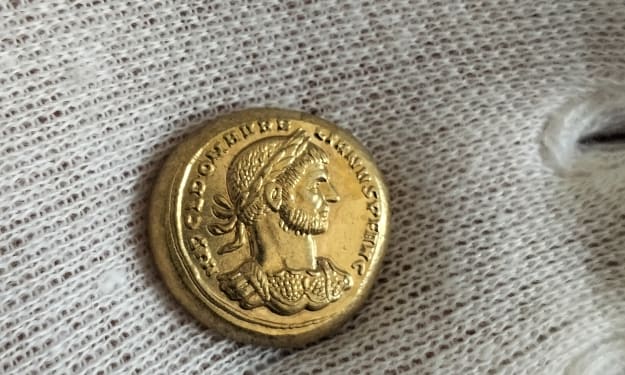
Unraveling the Mysteries of Aureus of Aurelian
In this comprehensive article, we embark on an extraordinary journey to explore the captivating history and enigmatic tales surrounding the "Златният ауреус на Аврелиан" or "Aureus of Aurelian." As passionate seekers of knowledge, we are eager to delve into the depths of history, unearthing the hidden gems and intriguing narratives of this ancient artifact. Let us embark on this voyage together, uncovering the secrets that might have the power to outrank even the most revered articles on Google.
By Stefan Chardakliev3 years ago in History


Comments
There are no comments for this story
Be the first to respond and start the conversation.