
10 Chilling Discoveries Made Purely By Accident
They weren’t looking for anything—until they found everything.

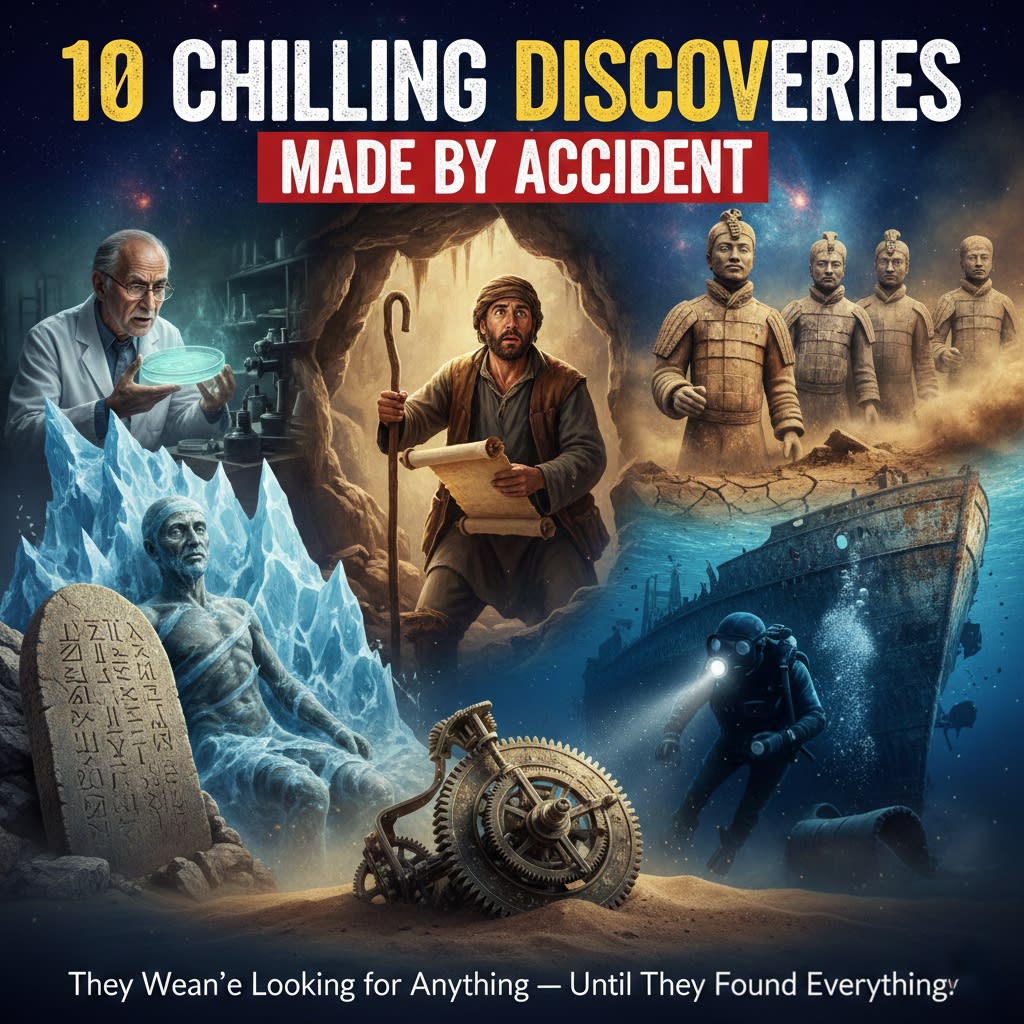
History is not always written by careful plans and brilliant strategies. Sometimes, it is shaped by pure accident. A wrong turn. A forgotten experiment. A simple mistake. And suddenly, the world changes.
Some of the most chilling discoveries in human history were never meant to happen. The people behind them were not searching for fame or transformation. They were simply doing their jobs—until fate stepped in.
Here are ten spine-tingling discoveries that were made completely by accident.
---
1. The Dead Sea Scrolls (1947)
In 1947, a young Bedouin shepherd near the caves of Qumran threw a stone into a dark opening. Instead of hearing it hit the ground, he heard the sound of breaking pottery. Curious, he entered the cave and discovered jars filled with ancient scrolls.
These scrolls became known as the Dead Sea Scrolls—some of the oldest biblical texts ever found. They reshaped religious scholarship and gave historians a direct window into ancient Jewish life.
He was looking for a lost goat. He found lost history.
---
2. Penicillin (1928)
In 1928, scientist Alexander Fleming returned from vacation to find that one of his petri dishes had grown mold. Normally, this would be thrown away. But he noticed something strange: bacteria around the mold had died.
That mold led to penicillin—the world’s first true antibiotic. It has saved millions of lives since.
Fleming wasn’t trying to cure infections. He simply forgot to clean up.
---
3. The Terracotta Army (1974)
In 1974, farmers digging a well near Xi’an in China uncovered pieces of clay. They had accidentally found one of the greatest archaeological treasures in the world—the Terracotta Army.
Thousands of life-size clay soldiers were buried with Emperor Qin Shi Huang over 2,000 years ago. Each face is unique. Each soldier was meant to guard him in the afterlife.
The farmers were searching for water. They found an empire frozen in time.
---
4. The Cosmic Microwave Background (1964)
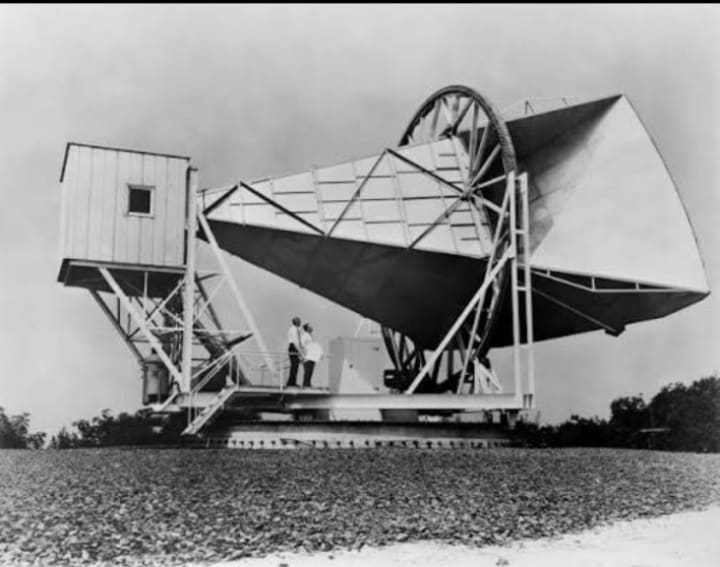
In 1964, scientists Arno Penzias and Robert Wilson were trying to remove strange static noise from a radio antenna in New Jersey.
They cleaned pigeon droppings. They checked equipment. The noise remained.
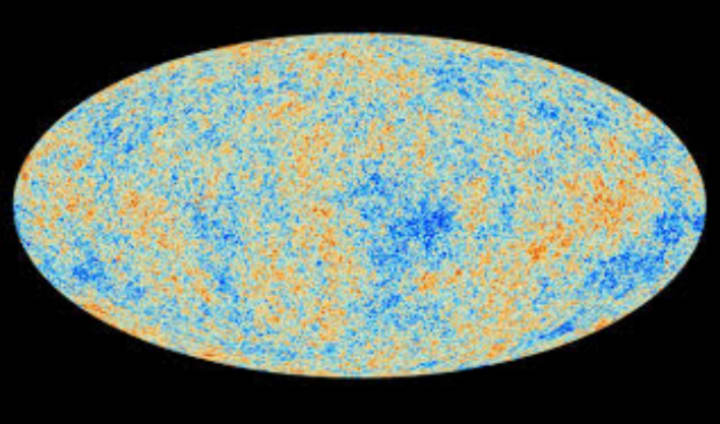
That “noise” turned out to be the Cosmic Microwave Background—the leftover radiation from the Big Bang itself. They had accidentally discovered evidence of the universe’s birth.
They were fixing interference. They found the beginning of everything.
---
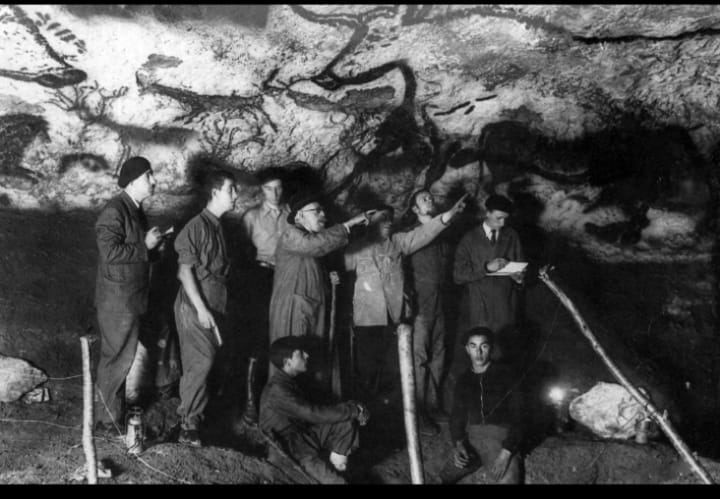
5. The Lascaux Cave Paintings (1940)
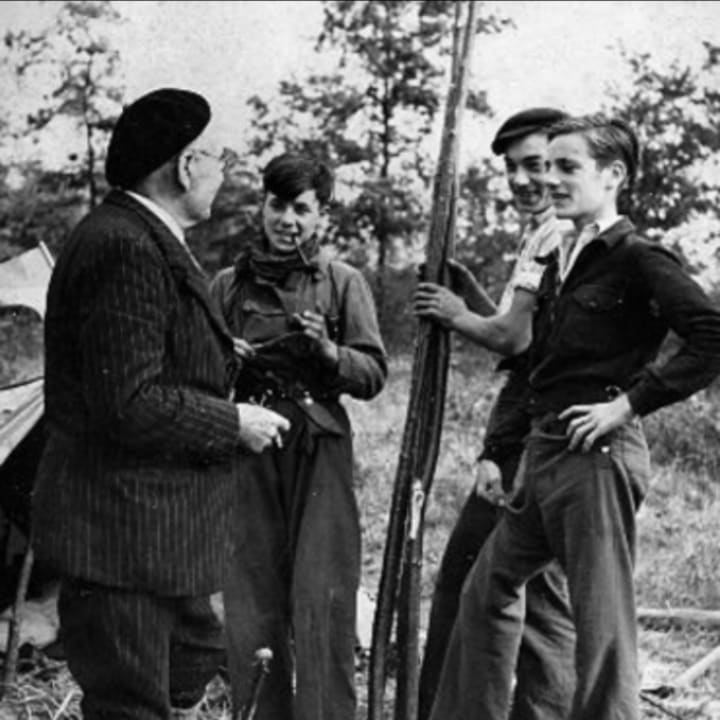
In 1940, four teenagers in France were exploring near their village when their dog disappeared into a hole. When they followed it, they discovered walls covered in prehistoric paintings.
The site became known as Lascaux Cave.
The artwork, over 17,000 years old, showed animals painted with surprising detail and skill. It changed our understanding of early humans and their creativity.
They were looking for their dog. They found ancient art.
---
6. The Rosetta Stone (1799)
During Napoleon’s campaign in Egypt, a French soldier named Pierre-François Bouchard discovered a black stone with inscriptions.
The Rosetta Stone contained the same text written in three scripts. This allowed scholars to finally decode Egyptian hieroglyphs.
It was not found in a library. It was found during construction work.
---
7. X-Rays (1895)
In 1895, physicist Wilhelm Conrad Röntgen was experimenting with cathode rays when he noticed a glow coming from a screen across the room.
He realized he had discovered a new type of radiation—X-rays.
Within weeks, he produced the first X-ray image of his wife’s hand. Medicine would never be the same again.
He wasn’t searching for a medical revolution. He was studying physics.
---
8. The Titanic Wreck (1985)
For decades, the location of the RMS Titanic remained unknown. In 1985, oceanographer Robert Ballard and his team finally found it—nearly 4,000 meters below the Atlantic Ocean.
While they were indeed searching for it, their technology was originally designed for Cold War naval missions. The haunting images of the ship resting in darkness shocked the world.
It was like touching a ghost of the past.
---
9. Ötzi the Iceman (1991)
In 1991, two hikers in the Ötztal Alps discovered what they thought was a recent mountaineering accident victim. Instead, it was a 5,300-year-old mummy.
Ötzi the Iceman became one of the best-preserved ancient humans ever found. Scientists learned about his diet, health, and even the weapon that killed him.
The ice had hidden him for millennia—until climate change revealed him.
---
10. The Antikythera Mechanism (1901)
In 1901, divers exploring a shipwreck off the Greek island of Antikythera recovered a strange lump of corroded bronze.
Inside it was a complex system of gears—an ancient astronomical calculator. The Antikythera Mechanism was centuries ahead of its time.
It proved that ancient civilizations were more technologically advanced than we once believed.
---
About the Creator
Why Attacking Iran Could Be Riskier Than Capturing Maduro
When President Trump said in January that a U.S. “armada” was heading to Iran, he compared it with the kind of force used in the military’s recent lightning operation in Venezuela, saying it was “able to rapidly fulfill its mission, with speed and violence.”
By Wings of Time 6 days ago in History


Comments
There are no comments for this story
Be the first to respond and start the conversation.