
Zuckerberg’s New Meta: It’s Finally Time to Leave Social Media
Meta’s new announcement signals dangerous times ahead

It is, once again, time for me to sound the alarm and tell you that the end is nigh. As the self-appointed horsewoman of the social media apocalypse, this time I’m telling you that it’s officially time to get out. Delete your accounts, get yourself back into the real world and experience the Outernet again. It’s over, it’s done — social media is officially a desolate wasteland that will only make you less informed and mentally unwell.
I used to think stopping social media use was something that’s mainly beneficial to the individual — you’ll be happier and you’ll eliminate a massive time sink, leaving you with more time to actually connect with the people around you and do something useful with your time. Spending your days getting angry on Twitter or looking at AI-generated slop and interacting with chatbots on Facebook just seems so useless, I don’t know why any one of us would do that for fun. This time, though, I’m convinced that the benefits of us leaving social media are societal.
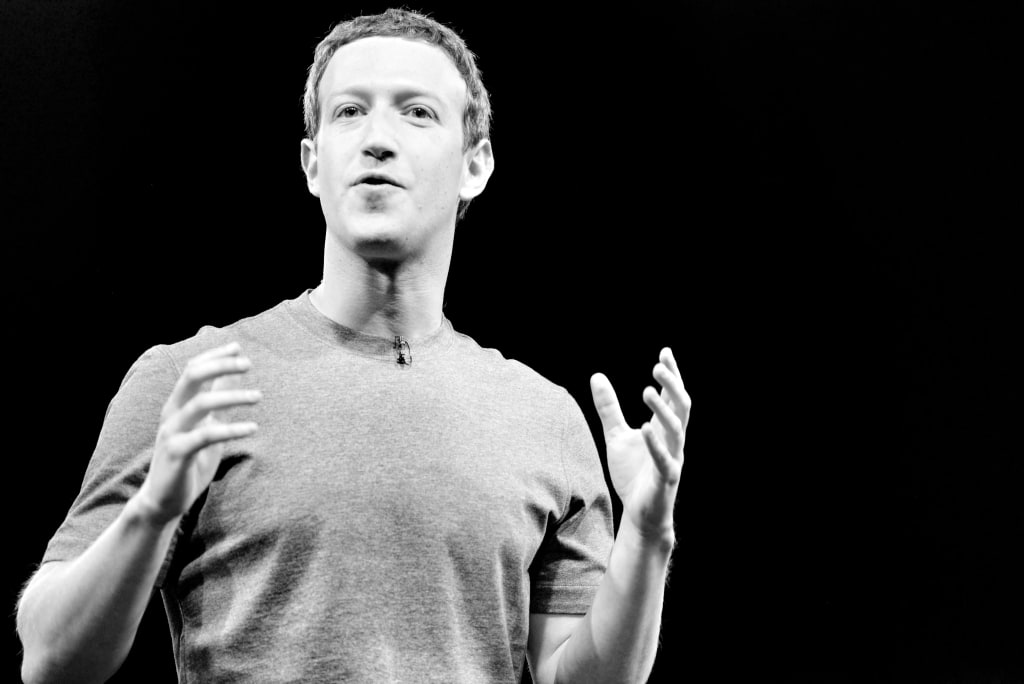
Meta just released an announcement that put the final nail in the coffin for social media having any sort of informative use. Mark Zuckerberg just announced in a video that Meta will be getting rid of fact-checkers and pushing more political content on its users. Fact-checkers will be replaced with “community notes similar to X” and Meta will loosen their moderation policies and remove restrictions around the topics of “immigration, gender identity and gender” as Meta will restore “free expression”. This is a part of their larger foray into politics, and The Zuck cites Trump as a major reason for Meta undergoing these changes.
If you’re anything like me, I know what you’re thinking: Fuck.
Every time one of these tech bros starts yammering on about freedom of expression, I want to ask them to define it. Please define for me the term “free speech”. Because they all seem to think that it means “anyone can say anything forever!” — it doesn’t. Free speech means “the right to express information, ideas, and opinions free of government restrictions,” notice how there’s a load-bearing word there: governments. Last I checked, Facebook, Instagram and Threads are not governments.
They are corporations with shareholders and profit motives, and their decisions about content moderation have always been business choices, not constitutional obligations. When Zuckerberg claims that removing fact-checkers and loosening moderation is about restoring “free expression,” he’s conflating corporate policy with democratic principle to justify a shift that serves Meta’s bottom line, not the public good.
Zuckerberg’s nod to Trump’s influence reveals the true catalyst here: appeasement of far-right figures who’ve long accused Meta of “censorship.” Restoring Trump’s accounts in 2023 signaled this shift, but abandoning fact-checkers cements it. Meta is aligning itself with the same populist playbook fueling platforms like Truth Social, trading integrity for relevance in an increasingly fractured digital landscape.
The mental health costs compound the crisis. Social media addiction is linked to rising rates of anxiety, depression, and loneliness, particularly among younger users. When platforms prioritize inflammatory content, they don’t just misinform—they distress. Endless political arguments, targeted harassment, and algorithmic doomscrolling create a hostile environment that rewards performative anger over nuance.
Leaving social media is no longer just an act of self-care—it’s a civic duty. By exiting these platforms, we starve the attention economy of its currency: us. A mass exodus could force Meta and others to reform, but even if it doesn’t, reclaiming our collective attention is a win. Imagine redirecting hours spent scrolling into local organizing, creative projects, or simply thinking without algorithmic interference.
This isn’t about nostalgia for a pre-digital era. It’s about survival. Smaller, decentralized platforms like Mastodon or niche forums offer alternatives without surveillance capitalism’s toxic incentives. Substack, podcasts, and even group chats provide spaces for dialogue where intent outweighs engagement metrics.
The “Outernet” isn’t a retreat—it’s a rebellion. Meta’s vision of the future is one where reality itself is crowdsourced, fact-checked by mobs, and governed by profit. Opting out isn’t defeat; it’s defiance. Delete your accounts. Breathe. Remember what it’s like to exist in a world where humanity isn’t filtered through a feed. The apocalypse isn’t coming—it’s trending. Log off before it’s too late.
About the Creator
Dena Falken Esq
Dena Falken Esq is renowned in the legal community as the Founder and CEO of Legal-Ease International, where she has made significant contributions to enhancing legal communication and proficiency worldwide.
Keep reading
More stories from Dena Falken Esq and writers in Geeks and other communities.
Bikini-Clad Lauren Sánchez Goes Makeup-Free as She Reflects on Lavish St. Barths Vacation: Photo
Lauren Sánchez is savoring every last second of her tropical escape. The former journalist recently shared a sun-soaked selfie from her lavish getaway, offering fans a rare look at her natural, makeup-free glow while relaxing near the water.
By Dena Falken Esqabout 7 hours ago in Geeks
Marty Supreme Review: Timothée Chalamet Is Excellent, The Movie… Not So Much
⭐ Rating: 2 out of 5 stars Marty Supreme Directed by Josh Safdie Written by Josh Safdie, Ronald Bronstein Starring Timothee Chalamet, Gwyneth Paltrow, Tyler The Creator, Odessa A'zion
By Sean Patrickabout a month ago in Geeks


Comments (1)
Interesting article, I think maybe Meta's position will continue to flipflop in future to reflect whoever is in power and their policies. Which in itself shows their level of integrity.