
Zootopia 2 Causes Young Chinese to Keep Venomous Indonesian Snakes as Pets
A pop culture phenomenon sparking a risky trend following the appearance of the character Gary De'Snake on the big screen

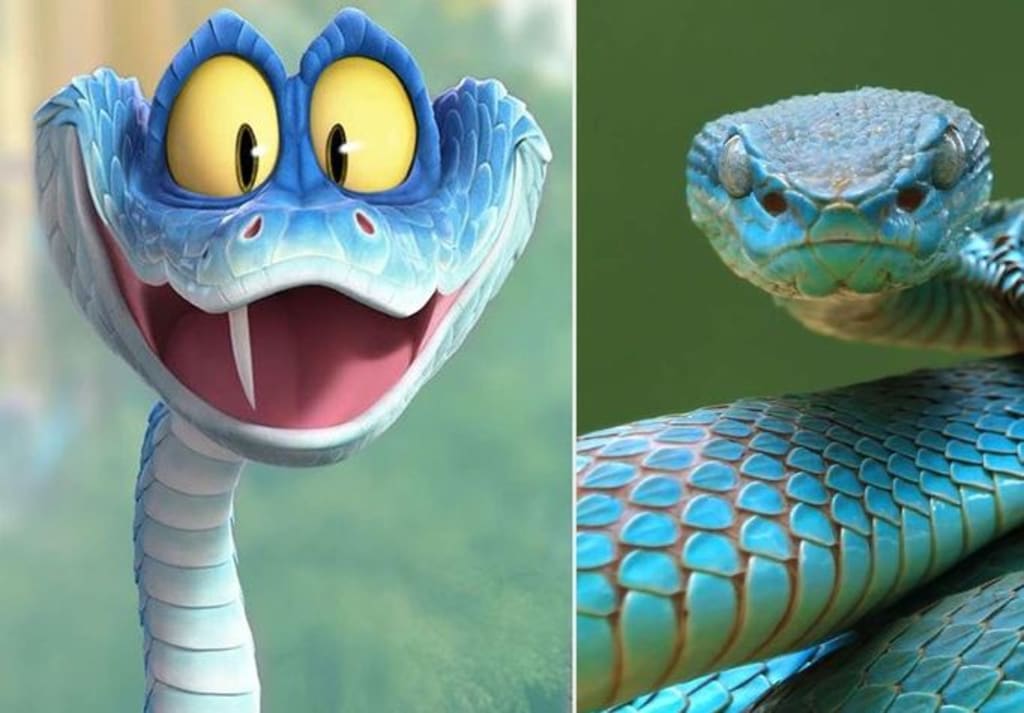
Disney's latest animated film, Zootopia 2, has become a phenomenon in China. The film not only broke box office records but also sparked a unique trend among young people: buying venomous pit vipers as pets.
The film, which grossed over 3.55 billion yuan and became the highest-grossing foreign animation in China, introduced a new character named Gary De'Snake, a venomous blue snake portrayed as enthusiastic and responsible.
This character, voiced by actor Ke Huy Quan, was inspired by the Indonesian island bamboo pit viper, and has successfully changed the negative perception of reptiles in Chinese society, where owners of such animals are often perceived as having a strange taste in "scary" creatures.
This trend began immediately after the film's release on November 26, with a surge in searches and prices for Indonesian pit vipers on Chinese e-commerce platforms, with sales ranging from hundreds to thousands of yuan.
One notable example is Qi Weihao, a 21-year-old from Jiangxi Province, who purchased a venomous blue pit viper for 1,850 yuan just two days after seeing the film.
Qi credits Zootopia 2 with improving the image of reptiles, making them no longer considered an odd choice, with Gary being a prominent representative.
He even drove 40 minutes to pick up his snake in person, although some purchases are made via delivery on platforms like JD
More broadly, the exotic pet market in China has grown rapidly, with more than 17 million people owning such animals by the end of 2024, with more than 60 percent of owners being from Generation Z. Snakes account for more than 50 percent of pet reptiles, and the market size is approaching 10 billion yuan.
However, this trend is not without serious risks, as real island bamboo pit vipers are far from the cute toys they appear in movies—they are highly venomous and can pose a threat if they escape or attack.
Media outlets like The Beijing News emphasize that such incidents not only endanger the owners and their families but can also escalate into public safety issues.
Qi himself warned, "If you don't have extensive experience and safe equipment for keeping snakes, please don't rush into keeping venomous snakes on impulse!"
Authorities and digital platforms have responded swiftly to this trend. Chinese law prohibits the shipping of live animals or dangerous goods such as poison, although keeping Indonesian pit vipers is not illegal.
E-commerce platforms like Douyin, Xiaohongshu, and Xianyu have removed listings for the venomous blue snake, while JDzootopia2 immediately took down the product after being notified, with its spokesperson stating, "We strictly prohibit the sale of venomous animals on our platform and once identified, the item is immediately removed."
In addition to the popularity of the film, analysts believe that the trend of keeping reptiles among young Chinese is also influenced by changes in digital lifestyles and online community culture. In various hobby forums, pit vipers are often showcased as unique, rare, and "classy" exotic pets, especially after being associated with the character Gary De'Snake, who is considered cool and charismatic.
Some exotic pet shops and independent sellers have even capitalized on this viral momentum to promote pit vipers as a symbol of urban youth identity. They emphasize that these reptiles are "calm, elegant, and easy to care for," even though venomous snakes still require special care techniques and a safe and controlled enclosure.
On the other hand, some netizens and conservation experts are concerned about the impact of this sudden trend on animal welfare. Many novice buyers are simply attracted by a momentary impulse after watching the film, without understanding the biological characteristics and venomousness of the snakes. Several reports indicate cases of failed breeding due to unsuitable habitats and a lack of basic knowledge about reptile behavior.
Herpetologists at several Chinese universities have emphasized that pit vipers are not suitable pets for beginners. They believe that keeping venomous animals requires special training, a permit, and preparedness to face medical risks. Bites from this type of snake can cause severe swelling, tissue damage, and even serious complications if not treated promptly at a health facility.
Beyond personal safety concerns, concerns also arise regarding the potential threat to the environment. If venomous snakes escape into the wild or are intentionally released because their owners are unable to care for them, this can disrupt local ecosystems and increase the risk of dangerous encounters between wildlife and humans. Therefore, several experts have called for public education and stricter oversight of the exotic animal trade.
The debate has broadened—some argue that the film's influence on this trend is merely a passing cultural phenomenon, while others view it as a reflection of changing entertainment consumption styles that are increasingly connected to real-life lifestyles. Zootopia 2 does not inherently encourage dangerous behavior, but audiences' interpretations of certain characters can evolve beyond the context of the film's message.
Several animation studios and media observers have subsequently highlighted the importance of viewing literacy in the digital age. They caution that fictional characters—no matter how sympathetic—do not always represent real-life conditions in the animal kingdom. The character of Gary De'Snake, depicted as intelligent and responsible, for example, remains a creative work and cannot be used as a model for behavior when interacting with real species in the wild.
Amidst this growing trend, several experienced reptile communities in China have begun promoting a more responsible approach. They are creating educational content about safety procedures, housing standards, and health risks that should be understood before someone decides to keep a venomous snake. This education is expected to reduce impulse purchases and prevent accidents.
Ultimately, the "Gary Effect" phenomenon from Zootopia 2 serves as an interesting example of how pop culture can influence social behavior, both positively and problematically. Films can shape new perceptions of animals previously considered frightening, but at the same time, admiration without adequate knowledge can turn into a risky trend.
This trend of keeping pit vipers opens up an important discussion about the boundaries between entertainment, cultural identity, and individual responsibility. Should the popularity of animated characters translate into real-life action? Or should viewers realize that not everything on screen should be followed without consideration?
One thing is clear—keeping animals, especially venomous ones, is not simply following hype or a passing trend. It demands preparedness, commitment, and full awareness of the risks and impacts on humans, animals, and the environment.
About the Creator
Bruce Hillma
I enjoy writing about films, culture, and how entertainment continues to evolve in a digital world
Keep reading
More stories from Bruce Hillma and writers in Geeks and other communities.
Welcome to the New Keroro Anime Series
Remember Sergeant Keroro? As previously reported, after a long time, the toad sergeant and his hilarious crew will finally return to invade Pekopon and entertain their fans! A new feature film has been announced for release in the summer of 2026. Now, there's another surprise. The toad sergeant and his friends will also return in a new anime series, set to be released in Japan in the fall of 2026.
By Bruce Hillma22 days ago in Geeks
Silver Screen Magic with Mae West
American actress and singer Mae West became a popular film actress during the Great Depression. She started entertaining in vaudeville, then performed on Broadway, and finally went to Hollywood. She signed up with Paramount Pictures and made her debut in the 1932 film “Night After Night.” She also starred in musicals, comedies, and crime dramas. The American Film Institute named her one of the best classic Hollywood actresses.
By Rasma Raisters3 days ago in Geeks
Premier League in South Africa: How to Watch
The 2025–26 Premier League season is underway, marking the 34th edition of the competition and the 127th year of top-flight English football. Liverpool start their title defense with confidence after lifting their second Premier League trophy last season, but the return of Leeds United, Burnley, and Sunderland ensures fresh rivalries – including the long-awaited Tyne–Wear derby, back for the first time since 2015–16.
By David Cook5 days ago in Geeks
Miss Persephone's Manual to a Seemingly Ordinary Life
Miss Persephone was found at the dining table, her blue eyes swollen, her tears arriving and retreating like the tides of the ocean. Earlier that day, her family had visited her in the retirement home where she had lived for eight years. It was her eightieth birthday.
By Imola Tótha day ago in Fiction




Comments
There are no comments for this story
Be the first to respond and start the conversation.