
Writing: Reviving a Franchise
How to and not to revive a franchise


The world of media franchises is vast and ever-evolving, with many series finding success transitioning to the big screen. Two notable examples of such transitions are Carmilla and Teen Wolf. While Carmilla managed to evolve effortlessly from a beloved web series into a successful feature film, Teen Wolf's foray into film has been marked by mixed reactions and lackluster performance. What explains these different outcomes? Let's explore the factors that contributed to Carmilla's seamless transition and Teen Wolf's struggle to capture the same magic in its film adaptation.
Carmilla: From Web Series to Feature Film
A Loyal Fanbase and a Strong Narrative Foundation
One of the most significant factors in Carmilla's success is the loyal fanbase it built over its four-season run as a web series. Originally based on the 1872 novella by Joseph Sheridan Le Fanu, Carmilla modernized its story, introducing queer themes that resonated with a diverse and passionate audience. The web series became a cult phenomenon, with its charismatic leads—Elise Bauman Laura and Natasha Negovanlis as the titular Carmilla —delivering compelling performances that drew viewers back for each episode. This loyalty laid the groundwork for a film and later book adaptation of season one, as fans were already invested in the world and characters.
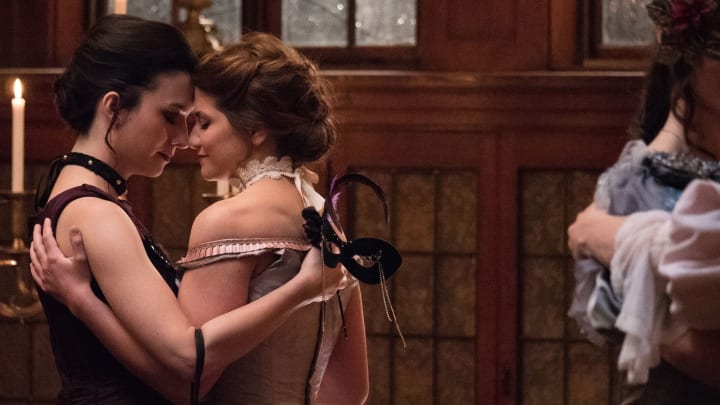
When the film adaptation, Carmilla (2017), was announced, the franchise’s transition to feature film felt like a natural progression. The movie expanded on the story arcs and relationships introduced in the series, taking advantage of its built-in fanbase and core narrative. With the support of the loyal Carmilla community, the film didn’t have to work hard to convince audiences to come back—it was more about fulfilling the promises made by the web series in a way that felt genuine and rewarding.
The movie successfully incorporated the same witty dialogue, chemistry between the leads, and exploration of LGBTQ+ themes that made the web series so beloved. Additionally, it maintained the balance of campy horror and heartfelt moments that had been central to its success. In short, the Carmilla movie didn’t try to reinvent the wheel—it merely built upon the foundation of what made the web series so special, resulting in a smooth transition to the big screen.

Teen Wolf: Struggling to Live Up to Expectations
On the other hand, Teen Wolf’s transition from a successful MTV series to a feature film has been less than stellar. The show, which ran from 2011 to 2017, garnered a massive following thanks to its mix of supernatural drama, action, and teen angst. The series built an impressive world with complex characters, an intricate mythology, and a deep fan investment in the relationships and story arcs of the characters. As a result, when it was announced that Teen Wolf would be making a return with a film, fans were eager to see the continuation of the story.
However, the film's release in 2023 didn’t quite live up to the hype. Despite bringing back key characters and maintaining the signature supernatural elements, Teen Wolf: The Movie struggled to capture the essence of the series that had made it a hit. The absence of some key cast members, the shift in tone, and an overall feeling of nostalgia rather than innovation left many fans disappointed. The film didn’t seem to have a clear understanding of why the series had worked so well in the first place and, as a result, felt more like a cash grab than a natural extension of the beloved franchise.

Key Differences in the Transitions
1. Audience Expectations vs. Narrative Development
In the case of Carmilla, the transition to film built upon years of narrative groundwork. The film didn’t try to radically change the core dynamics of the show but instead used the existing relationships and story arcs to offer fans something they’d been eagerly anticipating. In contrast, Teen Wolf made the mistake of not evolving its storyline in a way that felt organic, instead seeming to write a script around who was willing to reprise their roles. The film struggled to offer anything new to the established mythology and, as a result, came across as a rehash rather than a meaningful continuation.

2. The Power of Representation and Relevance
Carmilla embraced and expanded on LGBTQ+ themes that were integral to the series, making it not just a fun story, but one that resonated deeply with underrepresented communities. Its relevance to modern conversations around identity, representation, and relationships helped make the transition feel more purposeful. On the other hand, Teen Wolf’s film leaned heavily on nostalgia, trying to recapture the magic of its early seasons. This left a lot of fans feeling that the film was more about cashing in on their affection for the series than telling a compelling new story.

3. A Shift in Audience Demographics
The demographics for the Carmilla and Teen Wolf films were vastly different. Carmilla's web series appealed to a niche but passionate group, and this tight-knit fanbase gave the film a sense of support right from the start. Teen Wolf, while beloved, was a mainstream success, and the diverse group of fans who came to the series over the years had different expectations for the movie. This presented a challenge for the film, which struggled to satisfy both long-time fans and newcomers, leading to an uneven reception. Due to its mature rating, it seemed the filmmakers wanted to make Teen Wolf more risqué without actually addressing adult themes.
4. The Importance of Staying True to the Tone
Carmilla was successful because it didn’t abandon the tone that made the web series so popular: it was witty, heartfelt, and a little campy. It knew exactly what it was, and that self-awareness allowed it to feel like a fitting extension of the series. Teen Wolf, however, felt unsure of its tone. The film tried to balance action, nostalgia, and fan service, but it lacked the cohesive identity that made the original series work. It felt like a reunion episode stretched too thin.

Conclusion: Why Carmilla Triumphed, and Teen Wolf Faltered
The differences between the transitions of Carmilla and Teen Wolf from web series to film highlight the importance of understanding what made a franchise successful in the first place. Carmilla knew its audience and stayed true to its original themes, ensuring that its film was a natural extension of what fans had already loved. Teen Wolf, on the other hand, failed to understand the evolution of its own story and fanbase, and it couldn’t match the passion and relevance that made its series so beloved.

In the end, Carmilla effortlessly transitioned into a feature film because it stayed true to its roots while expanding on its core ideas, while Teen Wolf struggled because it didn’t know how to evolve while staying connected to the magic of its past. As franchises continue to make the jump from web series and television to film, these lessons will be invaluable for ensuring a successful transition.
About the Creator
Ted Ryan
Screenwriter, director, reviewer & author.
Ted Ryan: Storyteller Chronicles | T.J. Ryan: NA romance
Socials: @authortedryan | @tjryanwrites | @tjryanreviews
The Author Diaries #1: The Storyteller’s Curse — Exclusive Prologue Reveal
Author’s Note: Dear Readers, Thank you for being here — for reading, subscribing, and stepping back into the world of The Storyteller Chronicles. When I finished Book One, I truly thought the story was done. Silas was defeated. The grimoire was safe. Lauren had saved the day — in two worlds — and her family were reunited.
By Ted RyanExclusive • 6 months ago
Marvel Zombie
The last entry into our 2025 superhero projects catalogue is Marvel Zombies. This was a show that was anticipated by absolutely no one and it disappeared from the public consciousness as quickly as it was released. There was nothing special about the project that made it a must see, or a must remember. In fact if anything it's a must forget.
By Alexandrea Callaghan17 days ago in Geeks
Debunking The 'Timeline/Continuity Errors' In 'Stranger Things 5'
WARNING! Possible SPOILERS for Stranger Things 5. After five smash hit seasons, the Netflix phenomenon Stranger Things has come to an end. Being set in the 80s, the show has had to keep an eye on it's various popculture references to ensure historical accuracy, and for the most part, has done a good job at this.
By Kristy Anderson5 days ago in Geeks


Comments
There are no comments for this story
Be the first to respond and start the conversation.