
Who Owns Oak Island in 2026? The Private Entities Behind the Mystery
A breakdown of current ownership, property divisions, and investment ties to the treasure hunt.


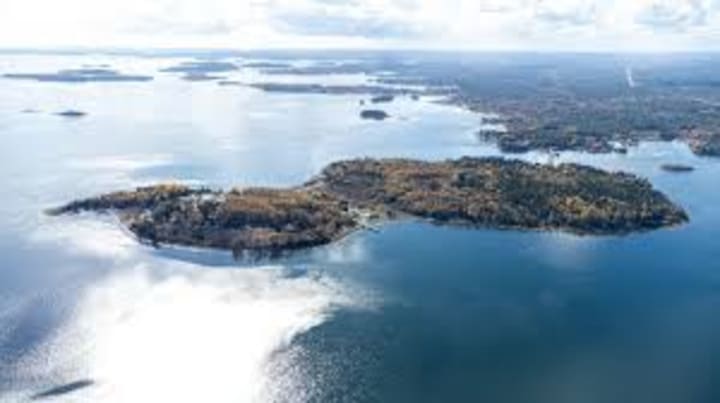
Oak Island remains one of the most enigmatic and heavily scrutinized plots of land in North America. Famous for its legendary "Money Pit" and the long-running History Channel series The Curse of Oak Island, this 140-acre island off the coast of Nova Scotia has fascinated treasure hunters for over two centuries. But behind the television cameras, ancient legends, and excavation equipment lies a very real question that continues to stir curiosity: who actually owns Oak Island in 2026?
This article breaks down the current ownership structure, property divisions, and financial partnerships driving the modern Oak Island operation.
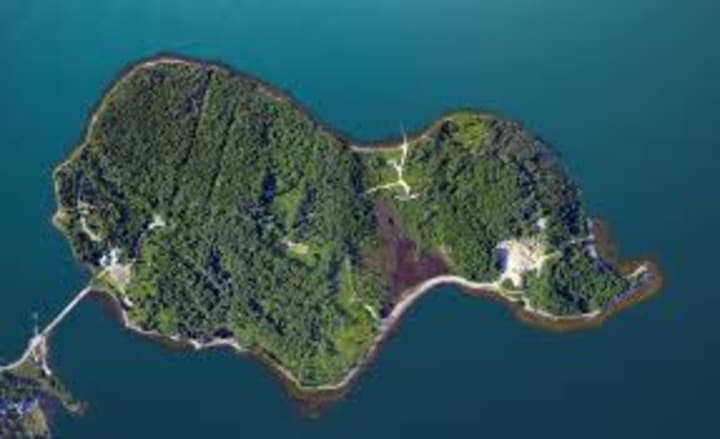
The Island Itself: A Patchwork of Private Ownership
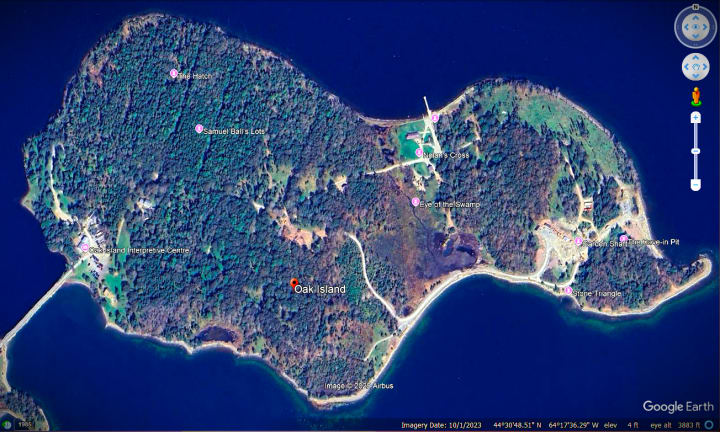
Contrary to what many believe, Oak Island is not a single, publicly owned heritage site or a government-controlled preserve. Instead, it is a privately owned island, with multiple stakeholders. As of 2026, the island is divided into parcels held by individuals, corporations, and trusts, many of whom are involved in the ongoing treasure hunt — either directly or through investment.
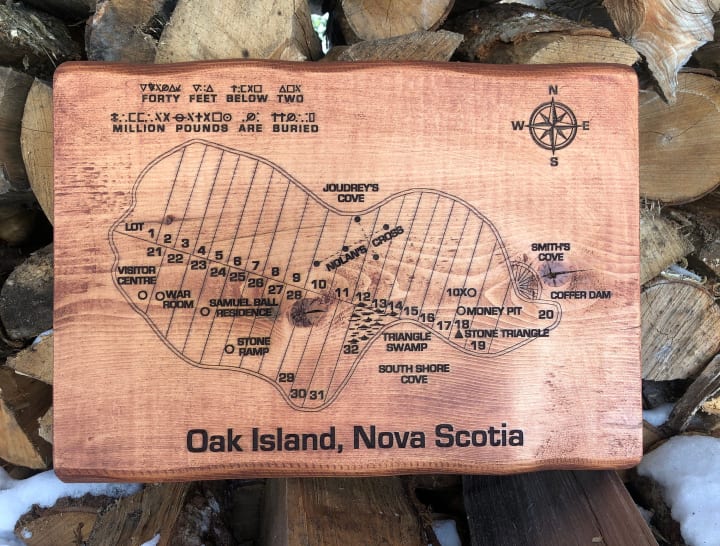
There are approximately 30 lots on Oak Island, most of which have changed hands over the years. Some remain in private hands and are not part of the televised excavation zones. Others are fully integrated into the show’s core dig sites and research areas.
Rick and Marty Lagina: The Faces and Forces of Ownership
At the heart of the modern Oak Island narrative are Rick and Marty Lagina, two brothers from Michigan who became the main players in Oak Island’s most ambitious treasure hunt to date. Their journey began after Rick read about the island in Reader’s Digest as a kid, eventually leading to their acquisition of partial ownership and a controlling interest in many key lots.
The brothers are co-owners of Oak Island Tours Inc., the company that manages the exploration and operations depicted in the television series. Through this company, the Laginas either directly own or manage access to a significant portion of Oak Island’s key lots — including the Money Pit, Smith’s Cove, and Borehole 10-X areas.
Marty Lagina, in particular, has provided much of the financial backing for the operation, using capital generated from his successful wind energy business and winery ventures.
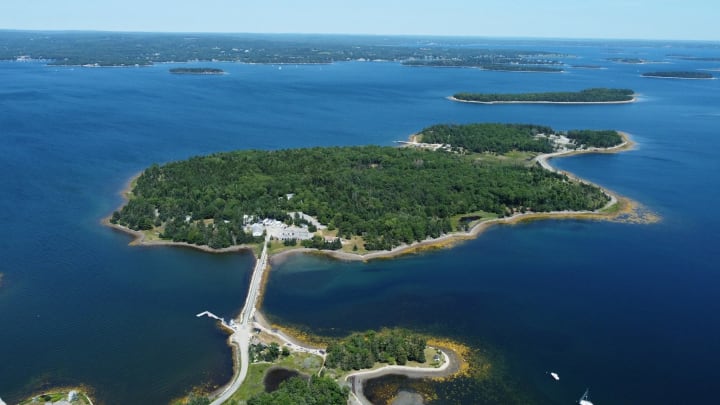
Oak Island Tours Inc.: The Operational Core
Oak Island Tours Inc. acts as the central business entity facilitating the excavation, tourism, and media partnerships. The company’s structure includes:
Rick Lagina – primary historical researcher and narrator figure
Marty Lagina – financier, project manager, and on-site problem-solver
Craig Tester – engineer and longtime business partner to Marty
David Blankenship – long-time island resident and son of the late treasure hunter Dan Blankenship (until his departure from the show)
The company owns or leases many of the most significant lots on the island. It also coordinates with the Nova Scotia government for permitting and heritage approvals.
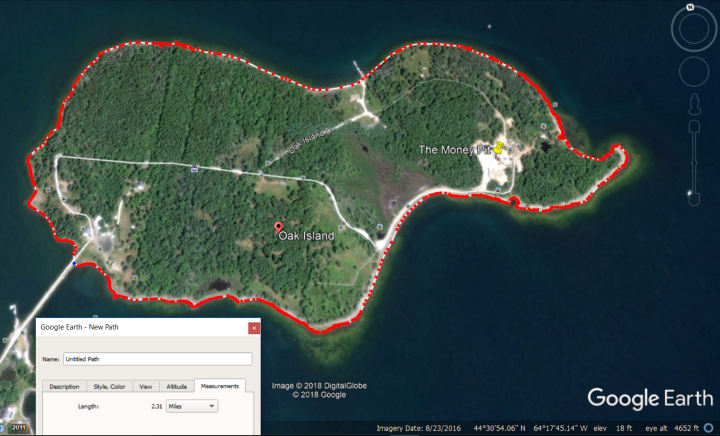
Who Else Owns Land on Oak Island?
While the Laginas and their partners hold much of the land associated with the treasure hunt, several other parties retain ownership of adjacent lots:
Tom Nolan, son of the late Fred Nolan, owns several parcels. Fred Nolan was one of Oak Island’s most prominent independent researchers. Although there was friction between Nolan and the rest of the team in early seasons, recent years have shown more collaboration.
The Young family – Longtime Nova Scotian residents with historical ties to the island.
Private investors and silent partners – Some parcels have been bought by anonymous entities or small LLCs, likely for investment or resale purposes.
Some lots are still privately owned and not accessible for filming or excavation. The History Channel production and Oak Island Tours Inc. must coordinate with these owners for permissions when their areas become relevant to the storyline.
Land Use, Easements, and Filming Rights
A key component of Oak Island’s operational structure is the use of land access agreements and easements. Even when the Laginas don’t own a specific lot, they often have the right to:
- Dig or survey (under permit)
- Film for The Curse of Oak Island
- Store equipment or conduct borehole operations
These rights are negotiated through formal contracts with private lot owners. In many cases, these agreements are beneficial for both sides: the owners gain exposure and potential profit-sharing, while the show gains narrative and logistical access.
Government Oversight: Permits and Heritage Regulations
While the island is privately owned, all excavation activities are subject to oversight by the Province of Nova Scotia, particularly under the Special Places Protection Act. This means that even the Laginas must obtain permits for:
- Digging or disturbing historically significant land
- Removing artifacts
- Conducting LIDAR or seismic scans
Nova Scotia’s government can, at any time, halt operations if they believe a site holds archaeological value beyond the scope of entertainment or private ownership.
In recent years, this regulatory framework has expanded to include Mi’kmaq First Nations consultation, especially when artifacts or land use may intersect with Indigenous heritage concerns.
History Channel and Prometheus Entertainment: Stakeholders Without Deeds
Although not landowners, Prometheus Entertainment (the production company behind The Curse of Oak Island) and The History Channel are key players in Oak Island’s modern chapter. Their partnership with Oak Island Tours Inc. gives them exclusive filming and distribution rights.
While this doesn’t constitute legal land ownership, their financial influence is undeniable. It’s believed that the show’s production funds cover a significant portion of the excavation costs — allowing the Laginas to take on risk-heavy operations without burning through personal reserves.
In effect, the History Channel helps subsidize the treasure hunt, in exchange for a multi-season blockbuster series.
Investment Ties and Future Ownership Speculation
Rumors continue to swirl in fan communities about possible external investors, including:
- Canadian or American venture capital firms
- Gold and silver mining consultants
- Private collectors funding specific digs off-camera
None of these have been confirmed publicly. However, given the cost of operations and the potential payout of a genuine discovery, it’s reasonable to assume that silent financial partners exist in the background.
As the show continues, and with each passing season yielding higher production quality and more ambitious digs, the ownership landscape may shift to include more commercial entities.
Final Thoughts: A Privately Held Mystery
In 2026, Oak Island remains privately held, commercially operated, and subject to both historical legend and modern contract law. The treasure may be elusive, but the financial and ownership structure behind the hunt is very real — and very much in motion.
For now, the Laginas remain the symbolic and practical heart of Oak Island’s ownership — but they are far from the only stakeholders with something to gain, or lose, from what lies beneath.
About the Creator
Rukka Nova
A full-time blogger on a writing spree!
Keep reading
More stories from Rukka Nova and writers in Geeks and other communities.
History of The Three Stooges (Part I: The Beginnings and Columbia Pictures - 1920s-1936)
I have been itching to write about The Three Stooges on Vocal for close to two years, but I couldn't figure out how to do it. I wanted to do it by third Stooge, but that's a bit complicated. I know this much. I was about eight or nine years old when I first saw The Three Stooges. I remember one of my local channels had the Stooges on for hours, and I tried my damnedest to be up for those shorts. I remember that the Family Channel actually had an hour of the Stooges on from 11PM to midnight, and it was the entire library on during that time.
By Clyde E. Dawkins4 days ago in Geeks
The First Rainbow Baby
Pitter-patter, pitter-patter. The rain fell in rhythmic splatters, slowly slowing, but still constant. Mira rolled onto her side pulling the blanket tight against her ears, but still she could hear chitter-chatter and scurrying feet of the creatures that refused to sleep in the lower decks.
By A. J. Schoenfeld3 days ago in Fiction




Comments
There are no comments for this story
Be the first to respond and start the conversation.