
What films & shows shaped Lockdown 2020 in the UK
How lockdown influenced our streaming habits!


It's been over one year since the Coronavirus pandemic changed all of our lives. As the UK is slowly opening up again step by step, it's tempting to look back at the streaming habits that have developed in lockdown, since March 2020 and beyond. Like many others, I've lost track of the amount of hours spent watching endless amount of TV shows and films, especially as the beginning of 2021 started with dark days in a never-ending lockdown. 14th February marked 1 year since I'd last been to the cinema to see the brilliant and beautiful Portrait of a Lady on Fire, and I can't wait to go back to the popcorn smelling venues for more cinematic experiences. Fingers crossed it won't be too long.
Exploring what content we have consumed and why over the past year, is an interesting task and a reference to what a rollercoaster of a year it's been. Let's dig in.
March 2020
One of the most noticeable elements of any crisis is the human reaction fight or flight, or in the world of entertainment, confrontation vs escapism. When the coronavirus was first declared a global pandemic in March 2020, shock and uncertainty dominated the news and our conversations. What is happening? Will everything close down? Will we lose our jobs? Will I get ill? Are we all going to die? Is this really happening?
Some sought comfort in the news, keeping up to speed with every development, statistics and indications from the government on what to do (and what to avoid). Information and knowledge is power, and in moments of need, this can be comforting; "At least I know as much about the situation as I can, even though I can't control it," one of my friends said. Others found comfort or perhaps even courage by looking at the past, finding examples that humans have lived through pandemics before. It's not the end of the world, only the end of the world as we know it, they would say. Many of us were clueless on infections diseases, and turned to Hollywood to get some answers and clarity, preferably a worst-case scenario with a happy ending. Notably, Steven Sodenberg's film Contagion from 2011 got a newfound popularity, with its realistic depiction on how a disease can quickly take over the world. It became a way for people to cope with pandemic fears. And we weren't the only ones, health secretary Matt Hancock later revealed that watching Contagion influenced his policy on vaccine rollout (The Guardian, Feb 2021).
One would hope that one of the benefits of turning to pandemic-adjacent entertainment would be to not make the same mistakes, to be more conscious of our own involvement (i.e. how many times we touch our face in a day), and to avoid panicking. Whether it works or makes things worse, I think will depend on the person watching it. For some, watching a horror or thriller can be a way of experiencing fear or tension, but from the safety of their homes, with the option of pausing at any point with a simple click. For others, it's confirming their worst fears, making them more anxious and panicked, and less likely to cope well with real-life circumstances.
On the complete opposite side of the spectrum is where we would find escapism - entrainment, TV shows and movies that take us far away from our own bleak reality. It is in other words; a distraction. The bizarre five part documentary series Tiger King: Murder, Mayhem and Madness quickly became the quarantine hit and number 1 program on Netflix UK, giving viewers a shocking glimpse into lives quite far from their own reality. It kept us entertained, gave us memes and something else to chat about with colleagues on daily digital calls. Even after the last scene of the documentary, viewers engagement didn't end. Celebrities raved about it, and people from across the world had an opinion on whether or not Carole Baskin really did kill her husband. As The Guardian reviewer described it, "Tiger King is the Long Island iced tea of shows, if it was stirred with Tide Pods and spiked with moonshine" (3rd April 2020).
April & May 2020
In our new lives in quarantine and lockdown, the "stay home, save lives" mantra continued, and our desire for a "normal life" grew stronger. Like many others, I found comfort in revisiting old and familiar shows that I had already seen multiple times. Knowing in advance how episodes and storylines would go gave a much needed sense of reassurance and predictability. Sitcom Friends season 1-10 was on a loop in the background, the familiar dialogue and dynamic between the characters mixed in with the laughter from the audience made me feel relaxed and reassured. I might not have been able to predict when we would return to the office, but I knew their dialogue by heart and was silently reflecting on their luxury to hug, eat out and not spend hours on social media. It was a world I knew, and there were no surprises around the corner. Their world was safe, familiar. But most importantly, it made me laugh and was a much needed distraction from the unsafe world outside that we were sheltering from.

A new show that got mainstream interest in the UK, was BBC3's Normal People. Based on the best-selling novel by Sally Rooney, the show follows Marianne and Connell through adolescence as they dip in and out of each others lives, through love, pain, heartbreak and doubt. As many others, I was left wondering if the pair really were made for each other, or if they are better apart, as viewers watch them move through school, first kisses, complicated family dynamics and into university and life beyond the safe borders of home. I found it to be equally hauntingly beautiful, honest and dark, exploring themes that few shows have the courage to confront head on such as mental health issues. It reminded me that no matter how bleak things seem, there's always a new dawn - if we're just patient enough.
June, July, August 2020
The summer offered a glimpse of hope, with easing of restrictions and sunnier days. But it also brought with it a necessary and tough look at racial injustice, with attention to the BLM movement and protests peaked, gaining international attention following the death of George Floyd. The demands for racial justice and an end to police brutality got a new urgency, with young people coming together asking how to change things for the better. Months of lockdown brought an emotional catharsis; being stuck at home it forced us to stop and look at ourselves, our places of work, our own contribution to the racial injustice. We were all encouraged to educate ourselves, about our everyday lives and the history of racism and oppression. Companies across the world sent out statements, BLM and diversity became a hot topics, including in the entertainment industry, inspired by the social movements. The world couldn't wait any longer, change was coming, and it was here to stay.
Viewing platforms offered selections of Black Lives Matters content, and shows on systemic racism gained momentum - including both Ava DuVernay’s documentary 13th on the history of racial inequality in the US and her powerful Netflix mini-series When They See Us telling the story of the Central Park Five court case which wrongfully convicted five young people, the movie adaptation of stage play American Son with Kerry Washington, and Spike Lee's BlackKkKlansman from 2018 timely arriving to Netflix UK in June. It was a time for reflection, learning, protesting and uniting. I hope there will be even more content on these important topics in the future, all the stories have not been told and there is still so much to see and learn.
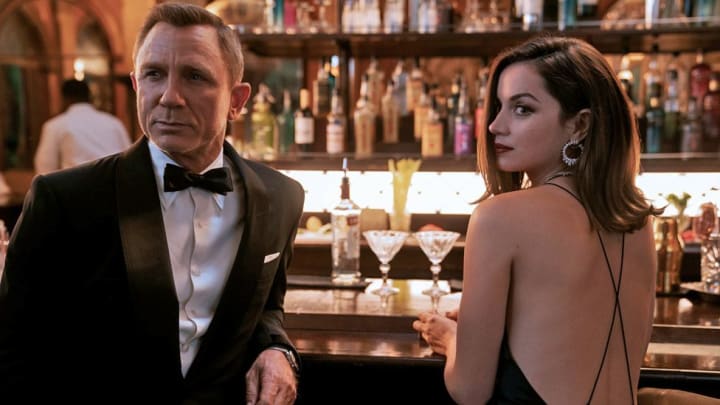
In August, a new Ofcom study revealed that "viewers spent 40% of waking hours watching TV at height of coronavirus pandemic" with "12 million brits signing up for streaming services" (5th August 2020), reflecting the need for making the most of the time spent at home. The cinemas across the UK had gradually been re-opening over the summer, but with big blockbusters including the latest 007 Bond film No Time To Die pushing their release date, Christopher Nolan's Tenet became the film that would either save the film industry or bring it to a jarring halt. The confusing plot (even main actor Robert Pattison confessed he "had no idea what was going on" whilst filming) combined with mixed reviews and a general unease in the public to return to the cineplex, didn't bring cinema back to life as some might have hoped it would. But not all hope was lost, as more and more independent and smaller films got their shot at the big screen, with critics finally giving them the attention they deserved, bringing them to the interest of the general public.
September 2020
The sixth and final season of Schitt's Creek arrived to Netflix UK earlier in the year, but it was the award breaking 9 Emmy awards in September, which is the most wins in a single season for a comedy, that really made the world finally discover the show. "I'll always remember 2020 as the year people finally starting watching the show," Dan Levy noted on his SNL intro in January 2021, and I was happy to add my own name to the list of devoted viewers. Although it did take a few seasons to really get going, they became like family.
The show follows the wealthy Roses family, who after a series of unfortunate events end up bankrupt and are forced to relocate and start their lives over in a motel in Schitt's Creek. "It's like the show was made for the pandemic: we were a family holed up together, forced to get to know each other, and in the Roses's cause, they ended up loving it. So maybe it can be a lesson in embracing the situation," said Catherine O'Hara brilliantly portraying the narcissistic and over-the-top soap actress Moira Rose (The Guardian, 8th February 2021).
It's a funny, warm and loving show, which caught my heart and attention for its modern day portrayal and acceptance of LGBT+, with David Rose explaining his pansexual preference with the analogy "I like the wine, not the label". The show grows over the seasons and becomes better and better, so a word of advise: stick it out, it's worth it.
November, December 2020
The winter months were dark and gloomy, and many of us looked to the screens for inspiration of perseverance and tenacity. Thankfully, we were not disappointed!
Miniseries The Queen's Gambit was Netflix's most surprising hit of the year, by becoming the 'Most-Watched Scripted Limited Series to Date' (Variety, November 23). Both the main character on screen and the producer of the show showed great strength and courage to continue with what they loved doing. Screenwriter and producer Allan Scott waited over 30 years to see his work come to life on screen, ironically being hospitalised with Covid when the show first aired (Stylist magazine). The show balances the journey of chess prodigy Beth Harmon (played by Anya Taylor-Joy), her mental illness and substance abuse, making it a fascinating show to watch from the comfort of your own home. I truly loved it.
Although I May Destroy You premiered in June, I waited until the darker months to watch the gripping drama from HBO tackling sexual assault and PTSD. Created by and starring Michaela Coel, the 12 half-hour episodes take audiences through a journey to find out the truth of what happened to main character Arabella after her drink is spiked and her memory is compromised after a night out. Inspired by Coel's real-life assault, the show also touches upon the complexities of consent in modern day dating, exploring issues in the male gay community and how detrimental it is to get help from friends and professionals in order to deal with the aftermath. It was brutally honest and I particularly enjoyed the final episode, showing different endings based on the main characters choices.
Another dark and twisted show that I binge-watched before Christmas was HBO's The Undoing, directed by Susanne Bier. Starring superstars Nicole Kidman as Grace, a successful therapist, and Hugh Grant as her beloved husband Jonathan, it was a true rollercoaster. Grace's seemingly perfect life includes their son Noah's attendance at a prestigious private school in New York, but things quickly unravel after one of the mums at the school, Elena, is found brutally murdered. The show kept me on edge and did a great job playing with viewers sense of empathy, making you doubt all the characters and their intentions. One moment you're convinced you have it all figured out, the next another piece is added to the puzzle and nothing no longer makes sense. The family dynamics were particularly interesting, focusing on one main question: can you truly ever know someone?
To end the year on a bright note, season 2 of Home for Christmas promised fans to finally reveal who was behind the door from the season finale. With lockdown restricting people from dating, visiting family and spending Christmas with loved ones, it was comforting to know that I could at least travel to a picture perfect Norwegian Christmas, all while laughing at main character Johanne - a 30 something single nurse, feeling the weight of family expectations to 'settling down' and balancing a hectic work schedule with dating and living with her best friend. If anything, the show makes you feel less alone.
About the Creator
The Mocca Diaries
A collaborative duo fuelled by coffee.
writing about Film&TV and music.
Keep reading
More stories from The Mocca Diaries and writers in Geeks and other communities.
When The Sky Was On Fire
I have been walking around the same neighbourhood for the past ten months. I’ve seen these trees blossom, get all leafy and then go from yellow, red and brown to being completely naked, as if someone stripped them from their dignity and left them at the mercy of January’s winds in London.
By The Mocca Diaries 5 years ago in Humans
Silver Screen Magic with Mae West
American actress and singer Mae West became a popular film actress during the Great Depression. She started entertaining in vaudeville, then performed on Broadway, and finally went to Hollywood. She signed up with Paramount Pictures and made her debut in the 1932 film “Night After Night.” She also starred in musicals, comedies, and crime dramas. The American Film Institute named her one of the best classic Hollywood actresses.
By Rasma Raisters9 days ago in Geeks
Kathleen Kennedy
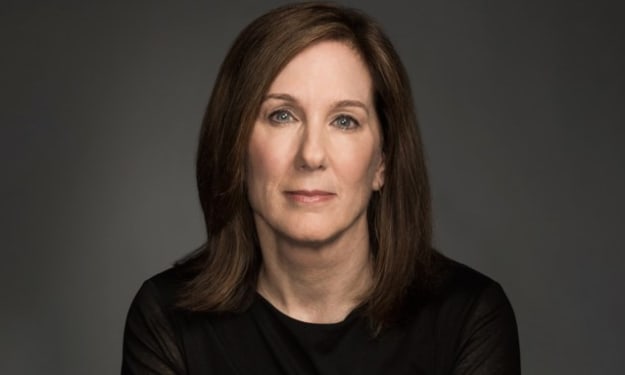
Few figures in modern Hollywood have shaped blockbuster storytelling as profoundly as Kathleen Kennedy. With a career spanning over four decades, Kennedy has been instrumental in producing some of the most influential films of all time. From her early collaborations with Steven Spielberg and George Lucas to her leadership role at Lucasfilm, she has become a central figure in contemporary cinema. Today, discussions around Star Wars, creative leadership, and franchise evolution are rarely complete without mentioning Star Wars Kathleen Kennedy. From Storyteller to Studio Leader Kathleen Kennedy’s journey began long before she became president of Lucasfilm. As a producer, she worked on classics such as E.T. the Extra-Terrestrial, Jurassic Park, and Indiana Jones. These projects established her reputation as someone who understood both creative storytelling and large-scale production. This balance would later define her tenure at Lucasfilm. When George Lucas selected Kennedy as his successor in 2012, it marked a turning point. Her appointment wasn’t just symbolic—it signaled continuity and transformation. As Kathleen Kennedy Lucasfilm took shape, she inherited one of the most beloved franchises in history, along with the immense expectations that came with it. Steering Star Wars into a New Era Under Kennedy’s leadership, Star Wars entered a new chapter. The sequel trilogy reignited global interest in the saga, introducing a new generation of fans while reconnecting longtime audiences. Films like The Force Awakens achieved remarkable commercial success, demonstrating Kennedy’s ability to blend nostalgia with contemporary storytelling. However, steering Star Wars was never going to be simple. The franchise carries deep emotional weight for fans, and creative decisions often spark intense debate. Kennedy’s approach emphasized diversity of voices and experimentation, opening the door to new directors, writers, and storytelling styles. This philosophy reshaped how Star Wars stories could be told across film and television. Collaboration with Dave Filoni One of the most significant creative partnerships during Kennedy’s tenure has been with Dave Filoni. Known for his deep understanding of Star Wars lore, Filoni emerged as a key creative force through animated series like The Clone Wars and Rebels. As Dave Filoni Lucasfilm expanded into live-action storytelling, the franchise found a renewed sense of continuity and character-driven narratives. Kennedy’s decision to elevate Filoni was strategic. By pairing her executive vision with Filoni’s lore expertise, Lucasfilm strengthened its creative foundation. Today, Lucasfilm Dave Filoni is often credited with bridging the gap between classic Star Wars themes and modern television storytelling. Their collaboration highlights Kennedy’s leadership style—empowering creatives while maintaining a cohesive vision. Expanding Beyond the Big Screen Another hallmark of Kennedy’s leadership has been expanding Star Wars beyond theatrical releases. Streaming series transformed how audiences engage with the galaxy far, far away. These shows allowed deeper character exploration and long-form storytelling that films couldn’t always provide. Behind the scenes, executives like Lynwen Brennan, Lucasfilm’s Chief Financial Officer, played a crucial role in managing this expansion. While Kennedy focused on creative direction, Brennan helped ensure the studio’s financial sustainability. This balance between creativity and business is often overlooked, yet it’s essential to maintaining a franchise of Star Wars’ scale. Facing Criticism and Cultural Debate No discussion of Kennedy and Star Wars is complete without acknowledging controversy. Creative changes, shifting release schedules, and bold narrative choices have drawn criticism from some fans. Kennedy has often found herself at the center of cultural debates about representation, legacy, and creative ownership. Yet, leadership at this level requires resilience. Kennedy has consistently defended the idea that Star Wars must evolve to remain relevant. Rather than viewing criticism as a failure, she has framed it as part of stewarding a living mythology—one that reflects changing audiences and values. A Legacy Still in Progress What makes Kathleen Kennedy’s story compelling is that it’s still unfolding. Unlike many producers whose legacies are defined in retrospect, Kennedy continues to shape one of the most influential franchises in real time. Her impact isn’t limited to box office numbers; it’s reflected in how Star Wars exists across generations, platforms, and cultures. Her leadership has also paved the way for broader conversations about women in Hollywood power roles. In an industry historically dominated by men, Kennedy’s success challenges outdated norms. She has demonstrated that creative authority and executive leadership can coexist without compromise. Looking Ahead As Lucasfilm looks to the future, the foundation Kennedy built remains central. New films, evolving series, and emerging storytellers all operate within a framework she helped establish. With creative figures like Dave Filoni continuing to grow in influence and executives like Lynwen Brennan supporting the studio’s structure, Lucasfilm is positioned for long-term storytelling. Kathleen Kennedy may not always be a visible presence on screen, but her influence is embedded in every frame of modern Star Wars. Whether praised or criticized, her role as a steward of one of cinema’s greatest legacies is undeniable. In the end, Kathleen Kennedy’s career is a reminder that storytelling isn’t just about heroes and villains—it’s also about the leaders behind the scenes who shape the worlds we escape into. And in that sense, her impact on Star Wars will be felt for years to come.
By Saboor Brohi 6 days ago in Geeks



Comments
There are no comments for this story
Be the first to respond and start the conversation.