
War from Swords to Satellites
How Warfare Has Evolved from Ancient Times to the Modern Age

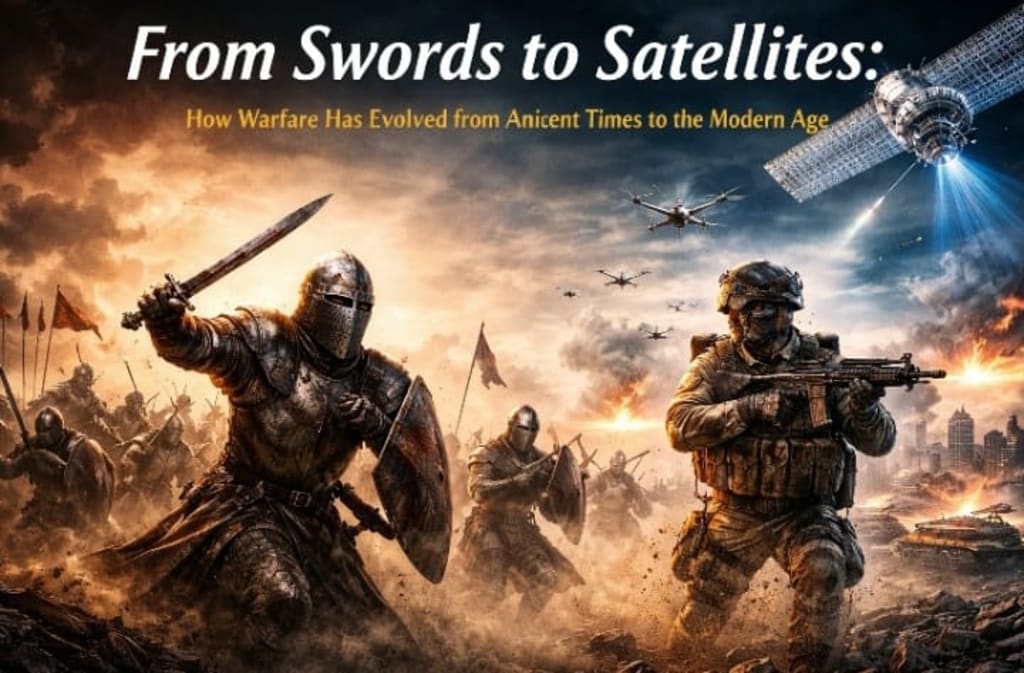
War has been a part of human history for thousands of years. From ancient battlefields where warriors fought with swords and shields to today’s technologically advanced conflicts monitored by satellites, warfare has changed dramatically. The evolution of war reflects the development of human societies, technologies, and political systems.
In ancient times, wars were fought with simple weapons and relied heavily on human strength and bravery. Soldiers carried swords, spears, bows, and shields into battle. Armies were often made up of thousands of men standing face-to-face on open fields. Battles depended on strategy, physical endurance, and the courage of individual warriors. Famous civilizations such as the Romans, Greeks, Persians, and Chinese developed organized military systems, but combat was still personal and direct.
Communication during ancient warfare was slow and limited. Commanders used flags, horns, or messengers on horses to send instructions across the battlefield. Because of this, battles could easily become chaotic. Victory often depended on leadership, discipline, and the morale of the soldiers. Wars could last for months or even years, but the fighting itself usually happened in physical confrontation between armies.
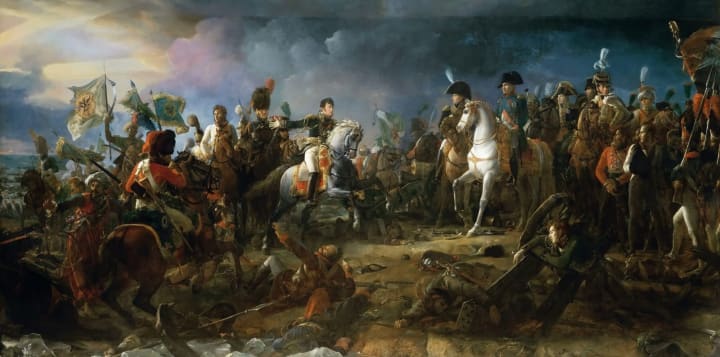
As time progressed into the medieval and early modern periods, warfare began to change. New weapons such as gunpowder, cannons, and firearms transformed the battlefield. Castles and fortified cities became common defensive structures. Military tactics also improved, with armies becoming more organized and trained. The introduction of gunpowder weapons reduced the importance of traditional swords and armor, gradually changing how soldiers fought.
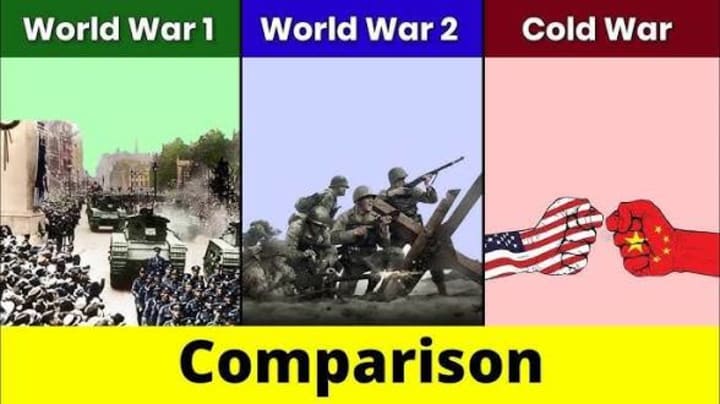
The industrial revolution in the 18th and 19th centuries marked another major turning point. Technology began to influence warfare on a massive scale. Weapons became more powerful, and transportation systems such as railways allowed armies to move quickly. Communication also improved with the invention of the telegraph. Wars during this period became larger and more destructive because nations could produce weapons and equipment in factories.
The 20th century brought even greater transformation. During the world wars, new technologies such as tanks, airplanes, submarines, and machine guns changed military strategies completely. Warfare was no longer limited to battlefields; cities and civilian populations were often affected. The invention of nuclear weapons also introduced the possibility of destruction on a global scale, making modern warfare far more dangerous than anything seen before.
Modern warfare also involves international alliances, intelligence networks, and advanced defense systems. Nations invest heavily in research and military technology to maintain security and strategic advantage. However, many global leaders and organizations continue to promote diplomacy, cooperation, and peaceful solutions, hoping to prevent conflicts and build a safer future for humanity.
Today, warfare has entered a highly technological era. Modern armies use advanced equipment such as drones, satellites, cyber tools, and precision-guided missiles. Satellites play a crucial role in navigation, surveillance, and communication. They allow military forces to monitor enemy movements from space and coordinate operations across vast distances. Information and intelligence have become as important as physical weapons.
Another important change in modern warfare is the rise of cyber warfare. Instead of attacking with traditional weapons, countries can now target digital systems such as communication networks, financial systems, and infrastructure. This type of conflict can occur without soldiers ever meeting on a battlefield.
Despite all these technological advances, one thing about war has not changed: its human cost. Throughout history, wars have caused immense suffering, loss of life, and destruction. While weapons and strategies continue to evolve, the consequences of conflict remain deeply tragic.
The journey from swords to satellites shows how far warfare has progressed alongside human innovation. What began as battles between warriors with simple weapons has become a complex system involving advanced technology and global strategy. Understanding this evolution reminds us not only of human ingenuity but also of the importance of seeking peace in a world where the power of war has never been greater.
About the Creator
shaoor afridi
“I am a passionate writer dedicated to sharing informative, engaging, and well-researched articles. My goal is to provide valuable content that educates, inspires, and adds real value to readers.”
Keep reading
More stories from shaoor afridi and writers in Geeks and other communities.
Has Iran Developed a Nuclear Bomb Yet?
The question of whether Iran has developed a nuclear bomb is one of the most important — and most debated — issues in global politics today. For decades, Tehran’s nuclear programme has been at the center of international concern and diplomatic efforts. But despite the tension and speculation, Iran has not officially developed or tested a nuclear weapon as of early 2026.
By shaoor afridi2 days ago in Geeks
Attack on Titan Power Rankings
The world of Attack on Titan isn’t about heroes saving the day—it’s about survival, desperation, and the brutal cost of war. Some characters seem unstoppable but fall quickly, while others slowly reveal terrifying strength and strategy. A select few operate on a level so far beyond everyone else that the rules of life and death barely apply.
By Top Ranked4 days ago in Geeks
Tatt~Master
— Assembly Line Tatt Machine ~ Impressions to Impress — As I begin to understand more about the Tattoo Phenomenon. I've written silly, yet verbatim, dating site anecdotes in 'Frazzled.' So let me ask you: Would you be More attracted to someone slathered with tattoos, or Less?
By Jay Kantor6 days ago in Humor


Comments
There are no comments for this story
Be the first to respond and start the conversation.