
Token Development for RWA: Unlocking Global Investment Opportunities
How Token Marketplace Development is Transforming Access, Liquidity, and Global Investment Potential

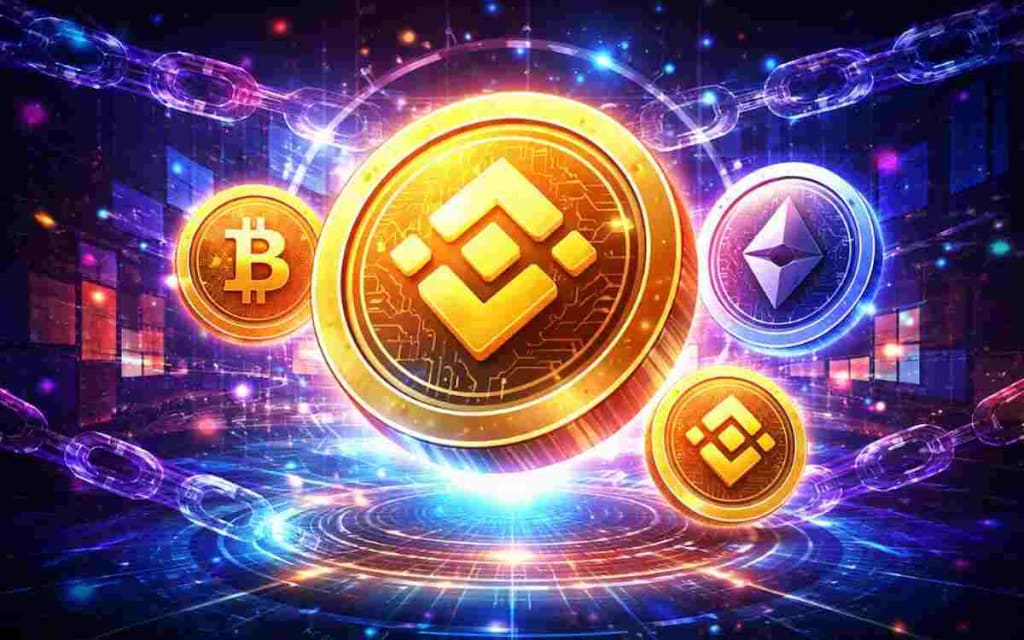
The financial sector is witnessing a paradigm shift as traditional asset classes intersect with digital innovation. Token development for Real-World Assets (RWA) is emerging as a transformative approach, converting tangible assets such as real estate, commodities, and infrastructure into secure, tradeable digital tokens. This digitization offers investors unprecedented access to markets, enabling fractional ownership, enhanced liquidity, and borderless participation. By leveraging blockchain technology, tokenized assets provide transparency, immutability, and operational efficiency, allowing both institutional and retail investors to engage with assets that were once illiquid or geographically restricted. The evolution of tokenized RWAs is not just a technological advancement—it represents a new investment philosophy that democratizes capital allocation, reduces barriers, and opens a gateway to global financial opportunities.
What is RWA Tokenization and How Does It Work?
Tokenization is reshaping how investors interact with tangible assets by creating a digital representation of ownership on a blockchain. Real-World Asset tokenization bridges traditional finance with digital infrastructure, allowing high-value assets to be fractionalized and securely traded. Through this process, each asset becomes a divisible, verifiable, and programmable investment vehicle. Understanding the mechanics of RWA tokenization—including legal compliance, digital issuance, and custody—is crucial for investors and asset originators to ensure transparency, security, and operational efficiency in this emerging market.
Core Concept
Tokenization is the process of transforming legal ownership of a real-world asset into blockchain-based digital tokens. Each token represents a share of the underlying asset, allowing multiple investors to own a fraction of high-value assets while maintaining verifiable ownership records on an immutable ledger.
Mechanics of Tokenization
Asset Selection: Identifying eligible assets suitable for tokenization based on value, liquidity potential, and legal feasibility.
Legal Structuring: Establishing the compliance framework and ensuring alignment with securities regulations.
Digitization and Token Issuance: Creating digital tokens that correspond to shares of the asset.
Distribution and Custody: Securely managing tokens and facilitating investor onboarding through wallets and platforms.
Key Features of Tokenized Assets
- Fractional ownership reduces the investment threshold.
- Smart contracts enable programmable rights, dividends, and compliance enforcement.
- Transparent records provide traceability of ownership and transaction history.
- Cross-border tradability expands investor reach and market access.
Benefits of Tokenizing Real-World Assets
Tokenizing real-world assets provides transformative advantages by enhancing liquidity, accessibility, and operational efficiency. Beyond simply digitizing ownership, it creates new investment opportunities for retail and institutional participants alike. By converting illiquid assets into fractional, programmable tokens, tokenization improves transparency and reduces friction in trading and settlement. Investors gain flexibility in portfolio diversification, while asset originators benefit from broader market reach. This section explores how tokenized RWAs offer tangible financial and strategic advantages that traditional asset ownership models cannot replicate.
Enhanced Liquidity
Tokenized RWAs can be traded on secondary markets, converting previously illiquid investments into dynamic assets. This liquidity increases market efficiency and opens exit strategies for investors who would otherwise face long lock-in periods.
Greater Accessibility
- Lower investment minimums make high-value assets approachable for retail investors.
- Global access allows participation beyond traditional geographic limitations.
- Diverse investor pools stimulate competition and valuation transparency.
Transparency and Security
Blockchain ledgers provide a permanent, immutable record of ownership. This reduces counterparty risk and ensures that asset provenance and historical transactions are always verifiable.
Operational Efficiency
Automated settlements through smart contracts reduce reliance on intermediaries, lowering costs and accelerating capital deployment.
RWA Token Development: Technology Stack & Infrastructure
Developing tokenized RWAs requires a robust technology stack to ensure security, transparency, and operational scalability. Blockchain infrastructure, smart contracts, secure custody, and interoperability solutions collectively form the backbone of successful RWA token projects. This section introduces the critical technical components that support tokenization, including how smart contracts automate processes, oracles provide reliable real-world data, and cross-chain frameworks increase liquidity and market reach. Understanding these layers is essential for both developers and investors seeking efficient and secure tokenized asset management.
Blockchain Layer
The foundation of tokenized RWAs lies in decentralized ledgers, which secure ownership records and enable auditability without relying on central intermediaries.
Smart Contracts
Automate processes such as settlement, dividend distribution, and compliance enforcement.
Minimize manual intervention, ensuring faster and more reliable operations.
Encode complex asset rights and contractual terms digitally.
Custody and Oracles
Trusted custody solutions safeguard tokens, while oracles provide real-world data, such as asset valuations, to the blockchain, ensuring accuracy and reliability.
Interoperability
Cross-chain compatibility enables tokenized assets to move seamlessly between different blockchain networks, increasing liquidity and accessibility across platforms.
Designing a Non-Fungible Token Marketplace for RWA
Non-fungible token (NFT) marketplaces provide the infrastructure for trading tokenized RWAs, offering unique ownership representation, liquidity solutions, and investor accessibility. Each token is distinct, representing specific rights and characteristics of the underlying asset, which requires careful design of trading platforms. In this section, we explore how marketplaces can integrate compliance, security, and usability while enabling secondary trading, fractionalization, and additional investment utilities. Proper marketplace development is crucial to unlocking the full potential of RWA tokenization.
Unique Asset Representation
Each RWA token is represented as a non-fungible token (NFT), uniquely identifying its ownership, characteristics, and history. This ensures distinct rights and traceable provenance.
Liquidity and Trading Mechanisms
Secondary markets allow investors to buy and sell tokens efficiently.
Fractionalized trading enables partial ownership transfers without disrupting the asset’s structure.
Lending and staking options create additional utility and income streams.
User Experience and Accessibility
Intuitive interfaces, wallet integrations, and simplified onboarding workflows improve adoption for both retail and institutional participants.
Compliance Integration
KYC/AML protocols and jurisdictional restrictions can be encoded into smart contracts, ensuring regulatory adherence without compromising user experience.
Regulatory and Legal Framework
Compliance and legal clarity are central to the success of RWA tokenization projects. Navigating securities regulations, cross-border ownership rules, and digital asset compliance ensures investor protection and long-term market sustainability. This section examines the role of legal frameworks in tokenization, highlighting how automated compliance, custody enforcement, and regulatory alignment build trust and mitigate risks for all stakeholders involved in the tokenization process.
Global Jurisdiction Landscape
Tokenized assets must navigate varying regulations across countries, from securities compliance to investor protection rules. Clear legal frameworks increase confidence and adoption.
Compliance Automation
Smart contracts can automate reporting, restrictions, and asset transfer compliance, minimizing human error and regulatory risk.
Custody and Rights Enforcement
Legal enforceability of tokenized asset ownership is essential. This ensures that token holders retain the same rights as traditional asset owners, such as income distribution or voting rights.
Risk Awareness
Investors must understand legal boundaries, including restrictions on resale and cross-border ownership, to safeguard their investment.
Use Cases Across Asset Classes
The versatility of RWA tokenization allows application across diverse asset classes, unlocking value in real estate, fixed income, commodities, and alternative investments. By fractionalizing and digitizing these assets, investors gain exposure to markets that were traditionally illiquid or geographically restricted. This section outlines practical use cases where tokenized assets are creating new financial opportunities and transforming traditional investment strategies.
Real Estate
Fractional ownership of commercial and residential properties enables investors to earn rental income and benefit from capital appreciation.
Fixed Income Instruments
Tokenized bonds and debt instruments allow programmable yield distribution, improving settlement speed and reducing intermediaries.
Commodities
Precious metals, energy units, and agricultural commodities can be represented digitally, enabling global trade and fractional participation.
Alternative Investments
Art, intellectual property, supply chain assets, and infrastructure projects gain liquidity and broader investor access through tokenization.
Institutional Adoption and Market Trends
Institutional investors are increasingly driving demand for tokenized RWAs due to their efficiency, liquidity, and transparency. Collaboration between financial institutions and blockchain platforms accelerates adoption while creating hybrid markets and trading solutions. This section explores emerging market trends, institutional participation, and projected growth trajectories for tokenized assets, highlighting how professional investors are shaping the future of RWA tokenization.
Institutional Demand
Banks, asset managers, and funds are increasingly exploring tokenized RWAs for portfolio diversification, reporting efficiency, and enhanced liquidity.
Collaborative Models
Partnerships between blockchain developers and financial institutions accelerate platform development and compliance integration.
Evolving Liquidity Solutions
Hybrid markets, secondary trading platforms, and tokenized derivatives enhance liquidity and market depth.
Growth Projections
Analysts predict exponential expansion of tokenized RWAs over the next decade as infrastructure, regulation, and adoption mature.
Strategies for Successful RWA Tokenization Projects
Executing a successful tokenization project requires careful planning, compliance, and technology integration. Adopting best practices ensures operational efficiency, liquidity, and investor trust. This section provides actionable strategies that asset managers, blockchain developers, and financial institutions can employ to deploy tokenized RWAs successfully, maximizing market impact and long-term sustainability.
Robust Asset Evaluation
Thorough due diligence is critical before tokenizing any real-world asset. Evaluate the asset’s market value, legal ownership, historical performance, and potential risks to ensure transparency and investor confidence.
Compliance-First Approach
Align the tokenization project with relevant local and international regulations. Integrating compliance checks into smart contracts, KYC/AML protocols, and investor accreditation ensures legal certainty and trustworthiness.
User-Centric Marketplace Design
A seamless user experience encourages adoption. Simplify wallet integration, onboarding, and asset discovery while providing real-time updates on token ownership and asset performance.
Liquidity Management
Design mechanisms such as secondary markets, fractional trading, or staking options to ensure that tokenized assets remain liquid and attractive to investors.
Partnerships and Collaboration
Collaborate with financial institutions, legal advisors, and blockchain technology providers to create a scalable and secure infrastructure for tokenized assets.
Transparency and Reporting
Provide clear, real-time reporting on asset performance, token ownership, and revenue distribution. Transparent data builds credibility and long-term investor confidence.
Conclusion
Token development for Real-World Assets is transforming global investment by bridging traditional finance and blockchain technology. Through non fungible token marketplace development, investors gain fractional ownership, liquidity, and access to previously unreachable markets. By adopting robust strategies, designing intuitive marketplaces, and maintaining regulatory compliance, tokenized RWAs are positioned to redefine capital allocation and create inclusive, transparent, and efficient investment opportunities across diverse asset classes worldwide.
About the Creator
Henry james
A specialist in blockchain token development, focusing on secure smart contract engineering and the implementation of robust token economic models.
Keep reading
More stories from Henry james and writers in Geeks and other communities.
Building a Multi-Chain NFT Marketplace: Benefits, Use Cases, and Strategic Insights
The NFT ecosystem has evolved far beyond its early single-chain roots. What began as a largely Ethereum-centric movement has transformed into a diverse, multi-chain landscape where creators, collectors, and developers operate across multiple blockchains simultaneously. As transaction costs, scalability demands, and user expectations continue to shift, multi-chain NFT marketplace development has emerged as a strategic necessity rather than a technical luxury.
By Henry jamesabout 12 hours ago in Geeks
Enhancing Customer Engagement Apps for Silicon Slopes Tech Companies in Utah
You know that feeling when you drive down I-15 through Lehi, look up at the glass towers reflecting the Wasatch Mountains, and realize the "Silicon Slopes" nickname isn't just a marketing ploy anymore? It’s real. But let’s be honest for a second—the game has changed.
By Sherry Walker8 days ago in Geeks



Comments
There are no comments for this story
Be the first to respond and start the conversation.