
The Truth Behind Wonder Woman’s Lasso of Truth: A Buddhist Perspective
The Lasso of Truth's Power is Truth Itself

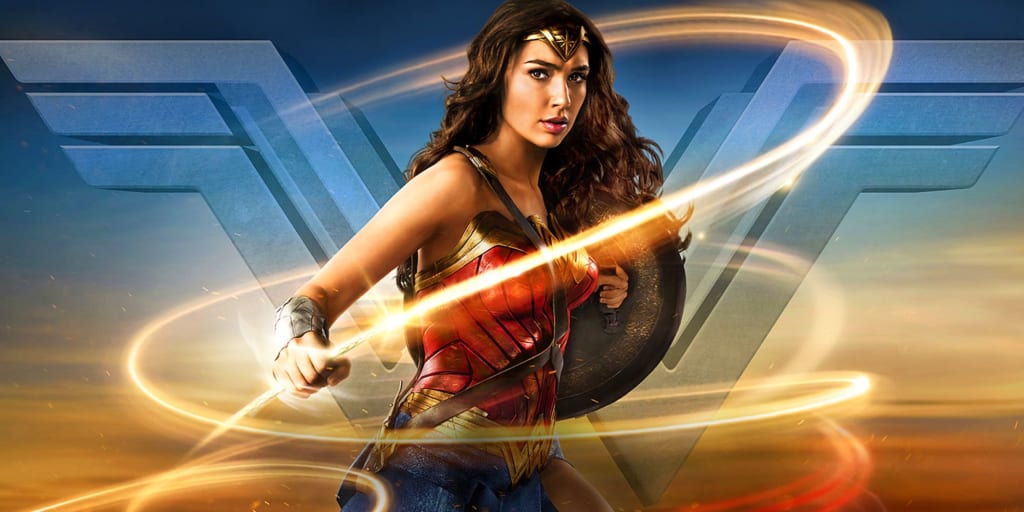
In Buddhism, truth holds great significance. It reveals falsehoods, deceptions, and the genuine nature of reality. It wasn't until I delved into my recent study of The Noble Eightfold Path (the path to enlightenment) that I recognized the correlation between the right of speech (one of the eight practices) and Wonder Woman's lasso of truth.
Initially, I wasn't a fan of Wonder Woman when I encountered her in the comics. However, after researching her backstory and her evolution in the comics over the decades, I now perceive the superhero in a new light. At first, I perceived the purpose of the lasso as a tool for Wonder Woman to capture her enemies and compel them to tell the truth. Yet, I underestimated the power of truth and the lasso. In the comics, Wonder Woman uses her lasso on her enemies not only to make them confess to the crimes they've committed but also to understand why they committed them. Similar to truth itself, the lasso prompts individuals to contemplate their actions, aiding them in recognizing the consequences of their deeds.
In Wonder Woman: 1984, the antagonist isn't a fierce deity, but a man who has endured a lifetime of suffering. The entire film revolves around characters who believe that the only path to happiness is through the fulfillment of their wishes. From Buddhism, I've learned that where there is wishing, there is longing, and where there is longing, there is sorrow. There is a common misconception that we suffer because we lack what we desire, but even when we attain our desires, we still experience suffering. The film highlights this with a magical stone that grants people their wishes but, in return, takes away what they value most. Throughout the film, we witness that as more wishes are granted, the world descends into chaos, reflecting the consequences of falsehoods. In Pali, a word called "sila" signifies harmony in the context of Buddhism. Sila entails living in a world devoid of false perceptions that deceive us and fosters trust among individuals. Conversely, a world rife with suspicion and mistrust leads to discord.
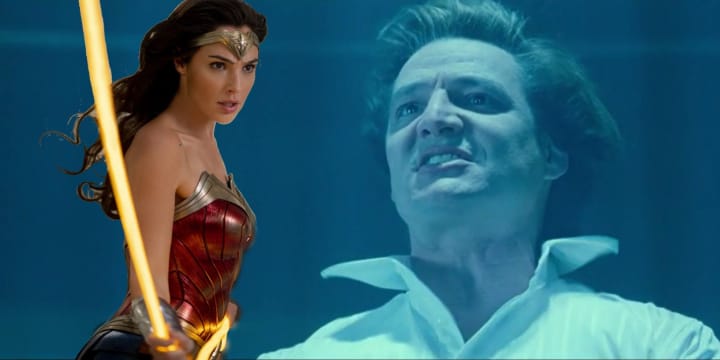
So, let's uncover the truth. The stone was created by the God of lies, and the wishes granted to people are deceptive. The film also delves into the lies we tell to amass wealth and power and to inflict harm upon others. Two of the antagonists, Maxwell Lord and Barbara Minerva, exemplify how lies not only distort reality but also alter our very essence. Maxwell, originally desiring wealth to escape his circumstances and provide for his son, becomes consumed with the desire for power, distorting his perception of happiness to manipulation. Similarly, Barbara, driven by the craving for power, aspires to become like Diana, at the cost of losing her humanity. This leads to my favorite scene and, in my opinion, the best monologue in the live-action Wonder Woman franchise:
"But he's gone, and that's the truth. And everything has a price. One I'm not willing to pay. Not anymore. This world was a beautiful place just as it was, and you cannot have it all. You can only have the truth. And the truth is enough. The truth is beautiful. So look at this world, and look at what your wish is costing it."
In Buddhism, wisdom lies in realizing the true nature of things. Diana accepts that Steve is gone, rather than clinging to the memory of him. Understanding that everyone's wishes are tied to Maxwell, she employs her lasso to reach the entire world. Diana's speech about embracing the truth embodies Buddhism's right of speech (speaking truthfully), emphasizing that all beings seek happiness and freedom from suffering, leading us to compassion, the ultimate form of love. While Wonder Woman’s lasso of truth compels people to recognize that their wishes will only bring pain and not happiness, ultimately, they all save each other. Wisdom can be imparted, but it is up to us to discern reality from falsehood.
If there's one lesson I've learned from WW:1984 and Buddhism, it's to be true to yourself and others. Understand that the pain you've endured or are enduring is shared by everyone else. Simply acknowledging this is true liberation.
About the Creator
Semoy Booker
I'm a Buddhist, Elizabeth Bishop fan, film enthusiast, and all things that make storytelling magical.
Keep reading
More stories from Semoy Booker and writers in Geeks and other communities.
What Really Turned Anakin Skywalker into Darth Vader: A Buddhist Take on Star Wars
Being a Buddhist has made me look at the Star Wars franchise through a Buddhist lens, including its characters. In the original Star Wars trilogy, Darth Vader is depicted as a ruthless, treacherous, formidable villain. In the Skywalker saga, we see what events led Anakin Skywalker to the dark side. While we can say numerous factors contributed to his Sith ways, it’s not so much the events or people Anakin faced, but the emotions and thoughts that led to his future actions. Both Jedi and Buddhists share the belief that positive emotions and thoughts can bring enlightenment and alleviate suffering.
By Semoy Booker about a year ago in Geeks
Silver Screen Magic with Mae West
American actress and singer Mae West became a popular film actress during the Great Depression. She started entertaining in vaudeville, then performed on Broadway, and finally went to Hollywood. She signed up with Paramount Pictures and made her debut in the 1932 film “Night After Night.” She also starred in musicals, comedies, and crime dramas. The American Film Institute named her one of the best classic Hollywood actresses.
By Rasma Raisters6 days ago in Geeks
Starring role for ‘Kardashian jetty’ as Venice visitors seek peeks of Bezos wedding sites
For the residents of Venice who travel daily through the city’s waterways, the small wooden floating jetty outside the Gritti Palace hotel is nothing special, “no different to a London underground stop”, as Igor Scomparin, a tour guide, puts it.
By Dena Falken Esq3 days ago in Geeks



Comments (2)
such a great talent
Nice